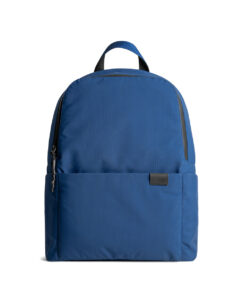
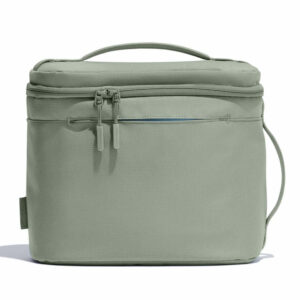
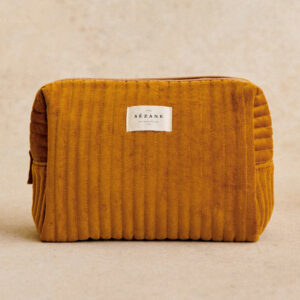
Browse custom bags by product type, function and construction. Annabelle Bag supports OEM, ODM and private-label projects from product-direction review and sample development through bulk production, inspection and packing.
Annabelle Bag combines product development, manufacturing and export coordination for custom bags. We help turn available references and product requirements into confirmed specifications for sampling and bulk production.
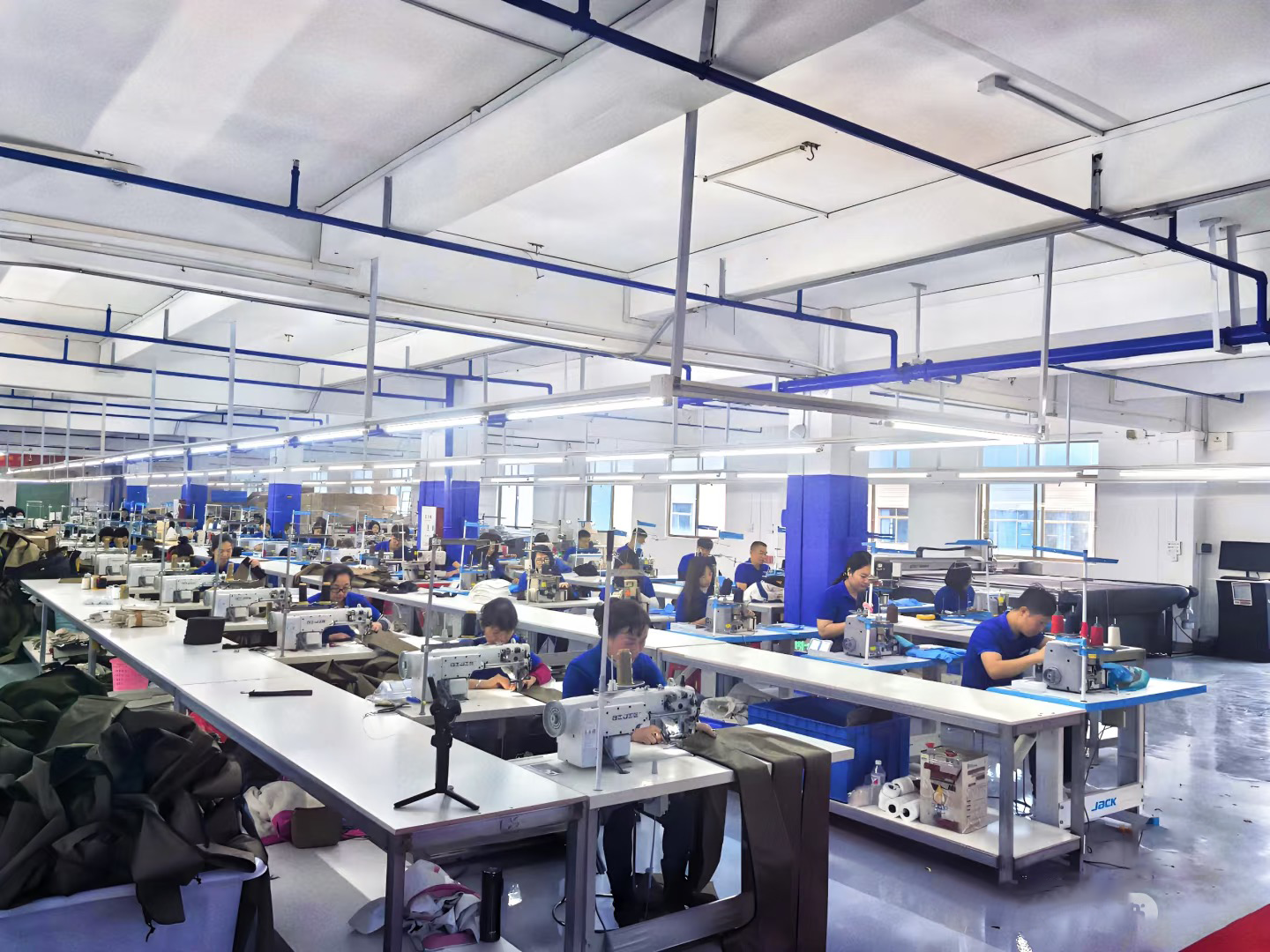
We provide OEM and ODM custom bag manufacturing from product development and sampling to bulk production. Every project is managed through one streamlined manufacturing process for greater efficiency and consistency.
Every custom bag project can be tailored with different materials, structures, colors, logos and packaging while maintaining efficient production coordination.
Custom bag samples can typically be completed within 7 days, while bulk production usually takes around 4–5 weeks, supported by responsive communication and well-organized production scheduling.
Experienced production teams, standardized quality control and stable manufacturing capacity support consistent quality and dependable delivery for every custom bag order.
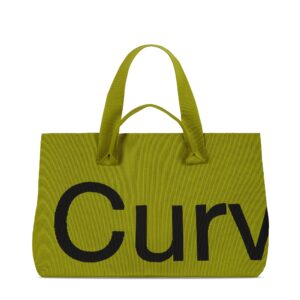
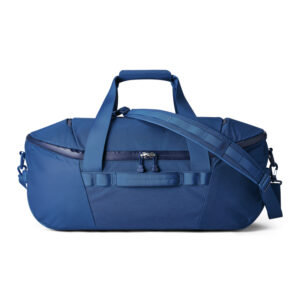
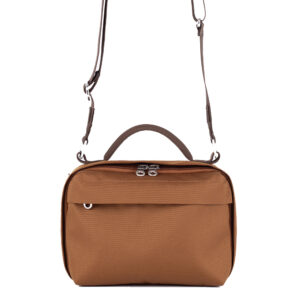
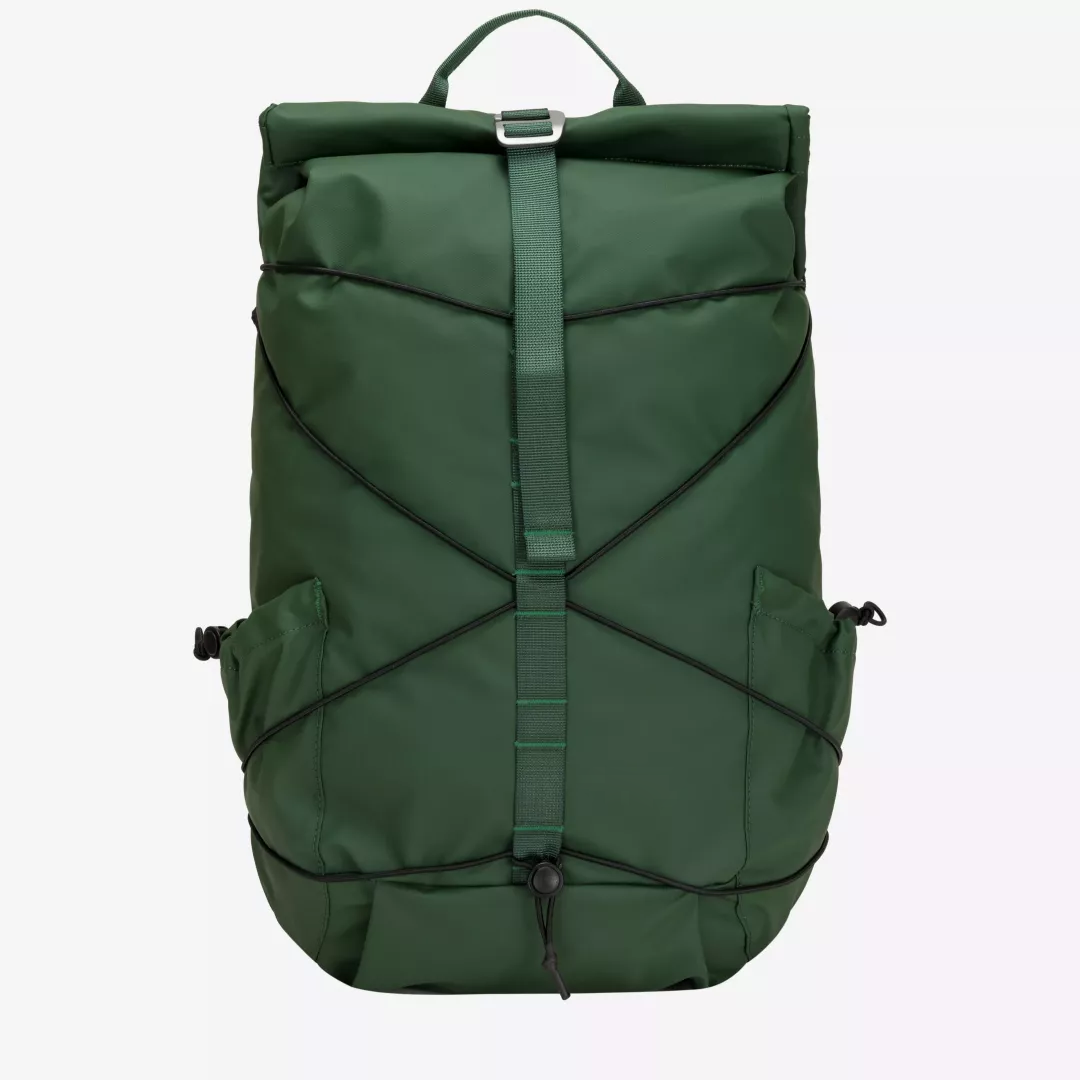
Start with the product type closest to the intended use, structure and carrying requirements. Each custom bag category can be developed with different materials, dimensions, compartments, logo applications, accessories and packing specifications.
Not sure which custom bag category fits your project?
Send the intended use, reference image and estimated quantity for an initial product-direction review.
A product name is only the starting point. Carrying method, expected contents, capacity, internal organization and required performance determine which custom bag structure is the practical direction for development.
For custom bags worn on the body, strap construction, weight distribution, pocket access and reinforcement usually matter more than appearance alone. These details should follow how the product will be carried and what it needs to hold.
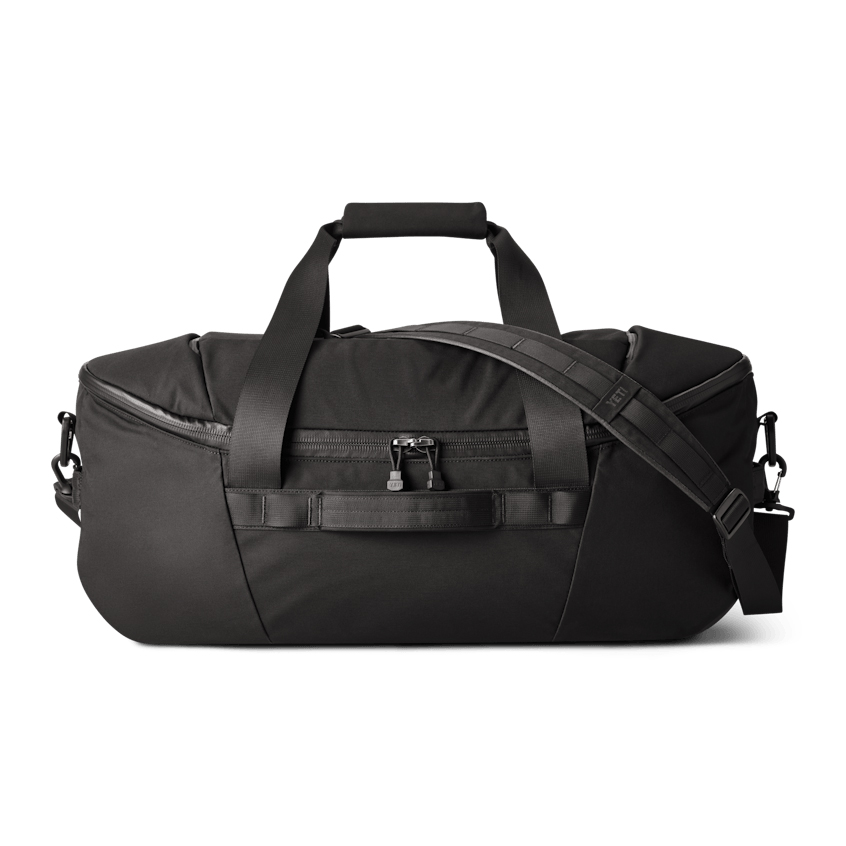
Higher-capacity custom bags require closer attention to handle attachment, shoulder straps, bottom structure, seams and stress points. Construction should be reviewed together with the expected contents and carrying method.
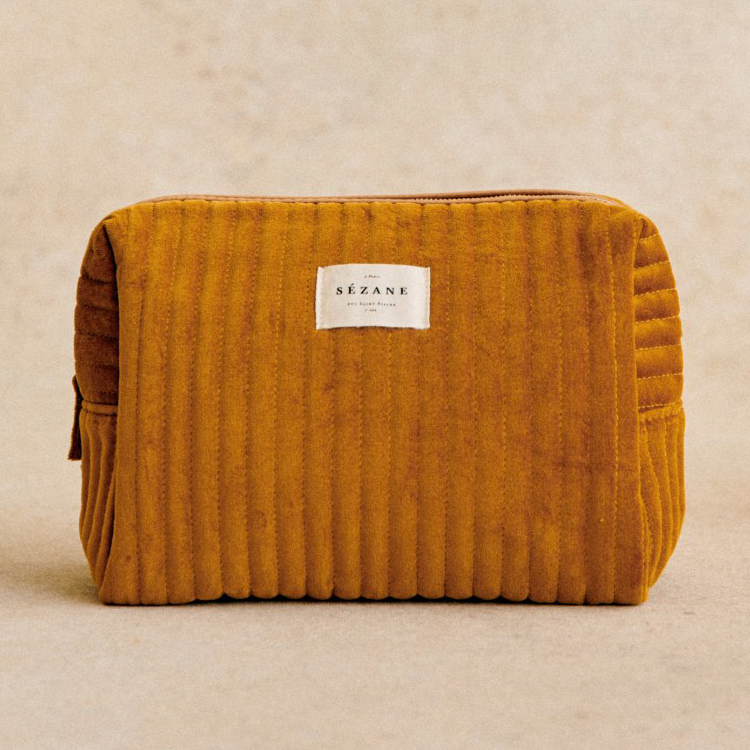
Interior layout, zipper opening, lining, cleanability and small-item organization are central to cosmetic and toiletry bag development. Material and construction decisions should follow the intended contents and usage environment.
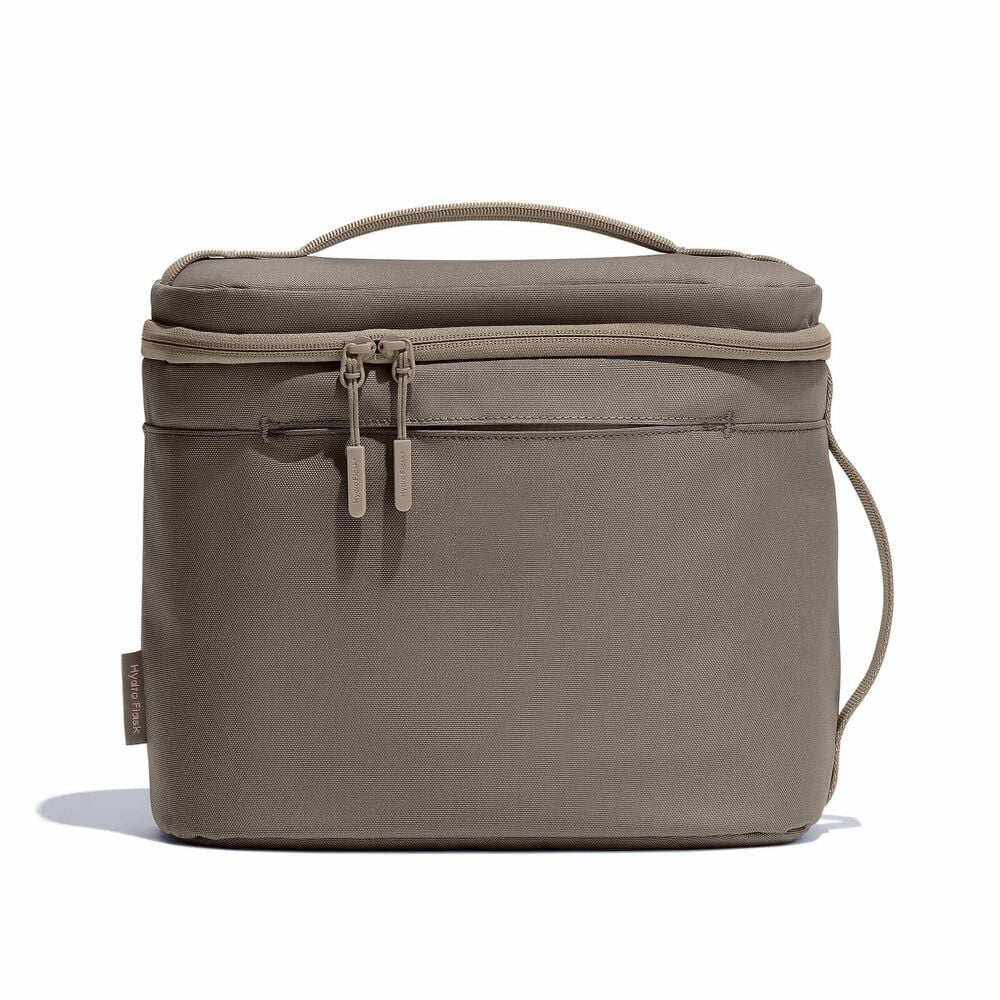
Insulated custom bags need coordinated decisions for outer fabric, insulation, lining, closure and seam construction. Capacity and cleaning requirements should also be confirmed before sampling.
Build the custom bag specification around six connected areas, then confirm the final combination through sampling before bulk production.
Material, structure, branding and packing choices must work with the selected custom bag rather than being confirmed as isolated options.
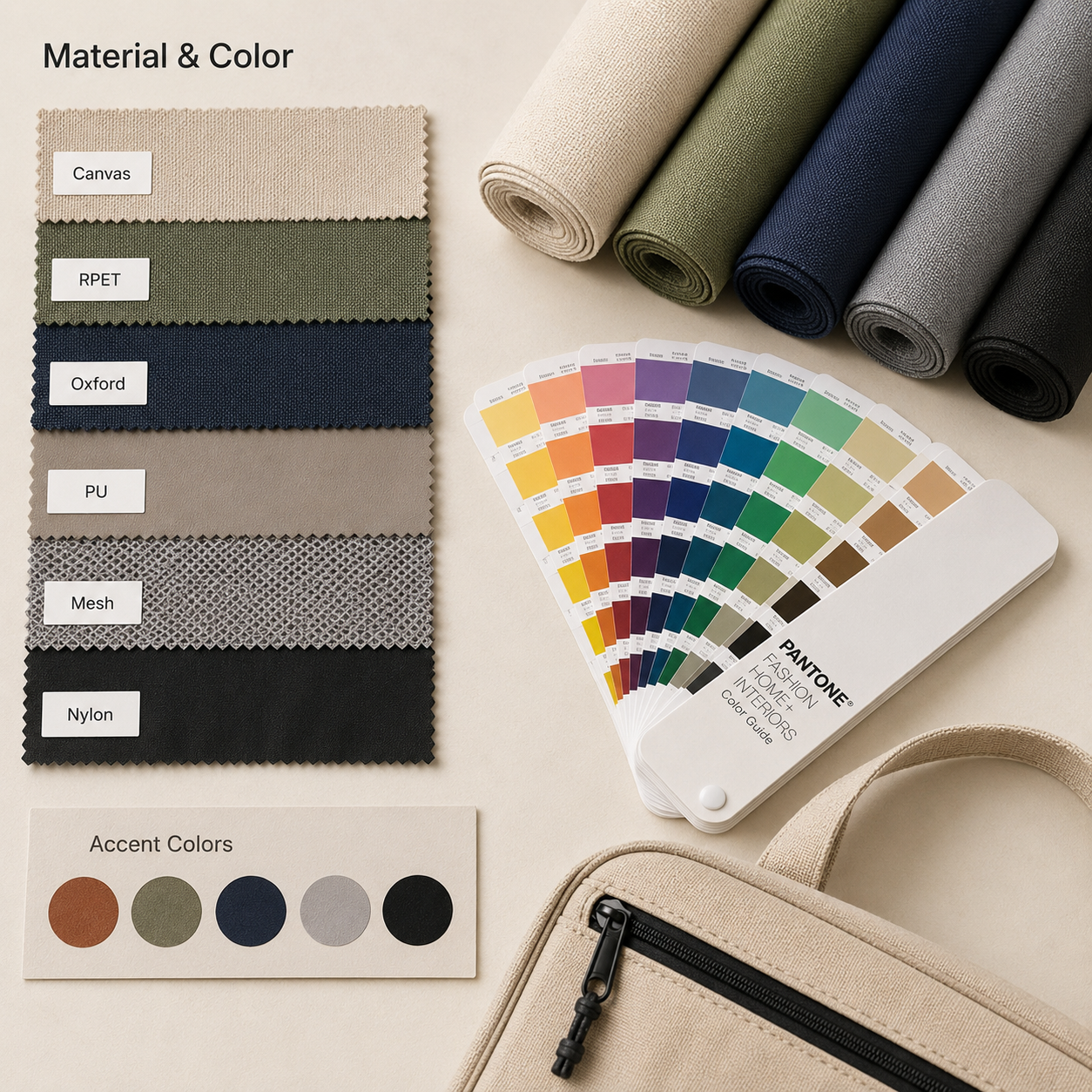
Select suitable outer fabrics, lining, padding or insulation, then confirm colors through available swatches or project-specific matching.
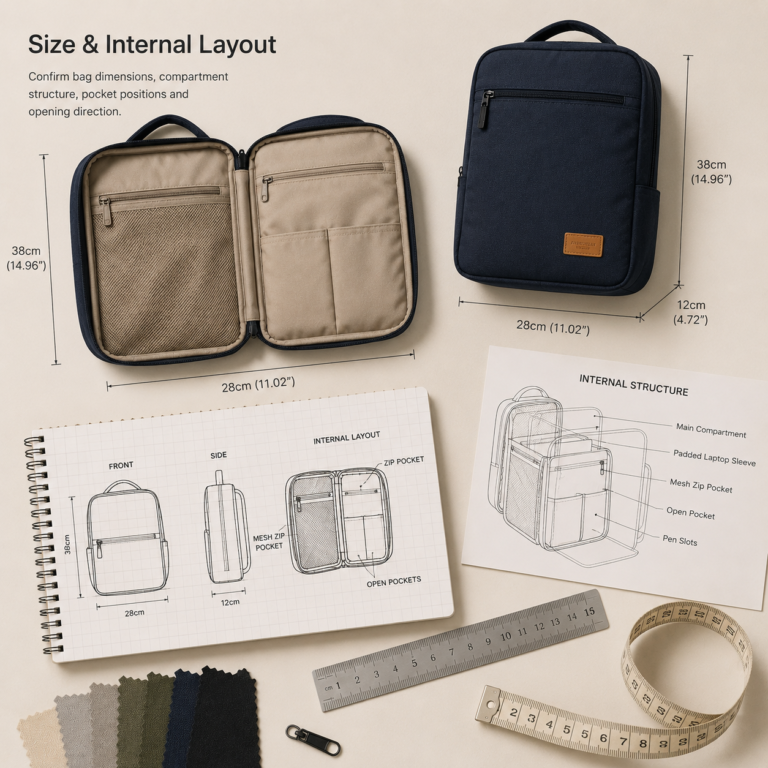
Adjust dimensions, capacity, pockets, dividers and opening direction according to the intended contents and product use.
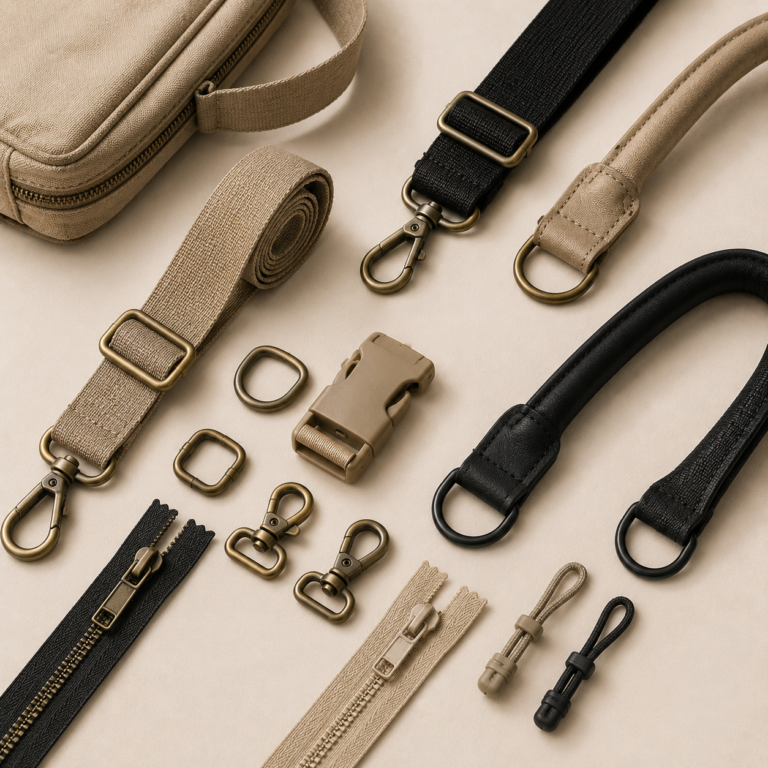
Develop carrying components, adjustment ranges, buckles, zippers, pullers and reinforcement for the selected structure.
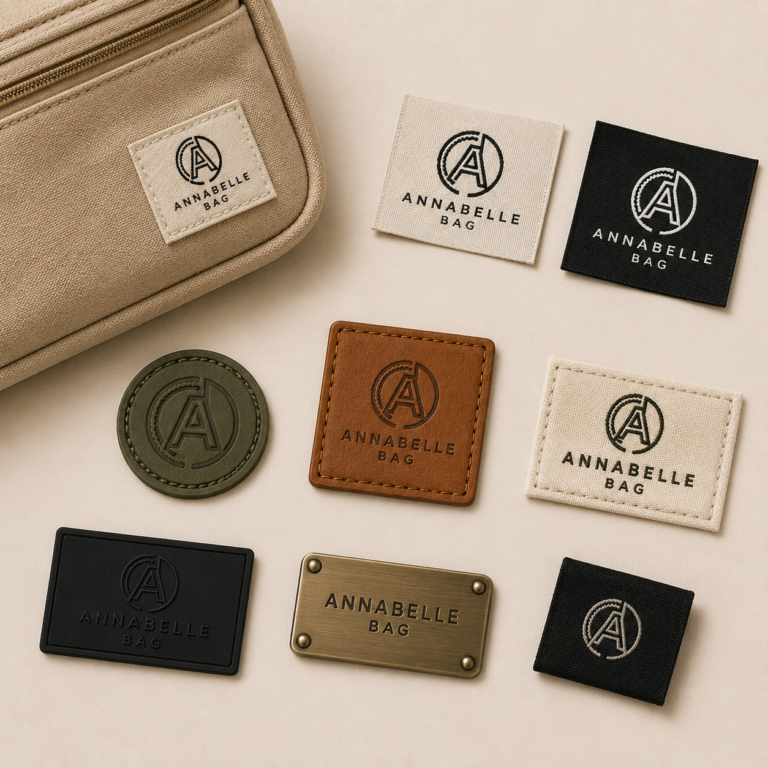
Review printing, embroidery, woven labels, patches, metal details and placement according to the material and artwork.
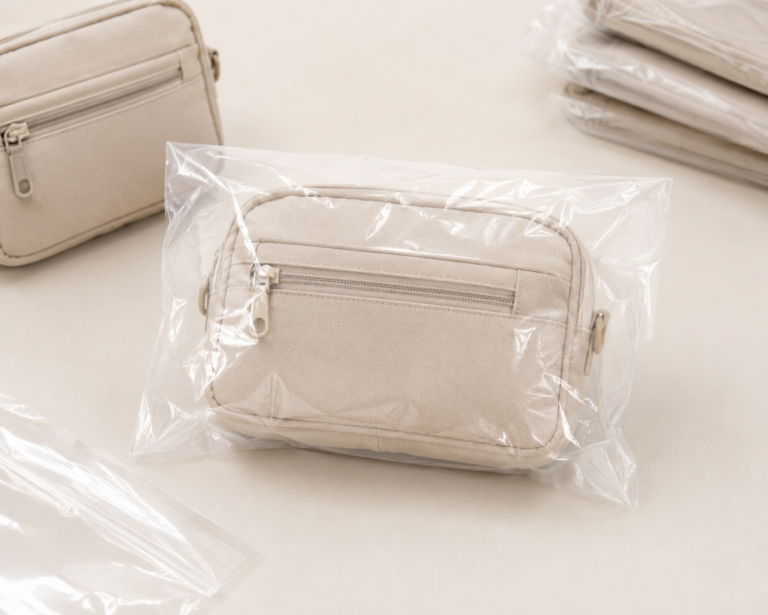
Confirm care labels, barcodes, hang tags, polybags, inserts and assortment instructions before packing.
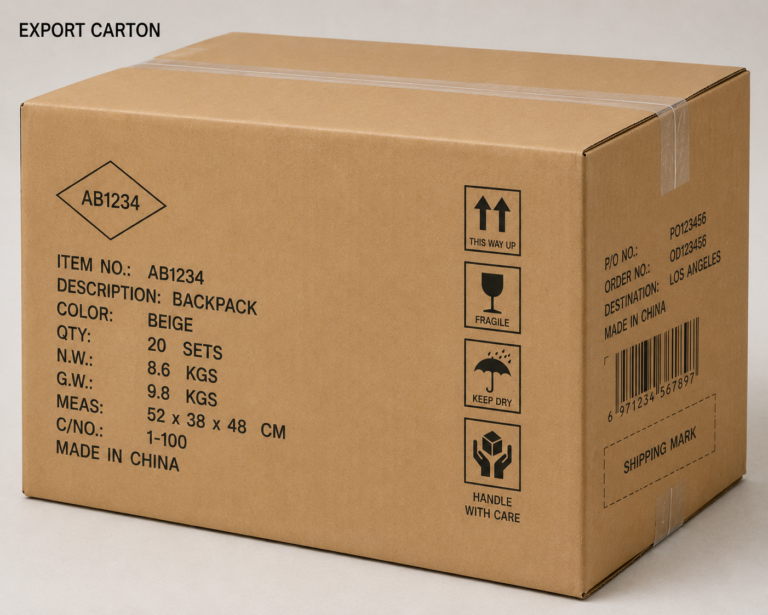
Plan carton marks, quantities, assortment, protective packing and other shipment details based on the confirmed order.
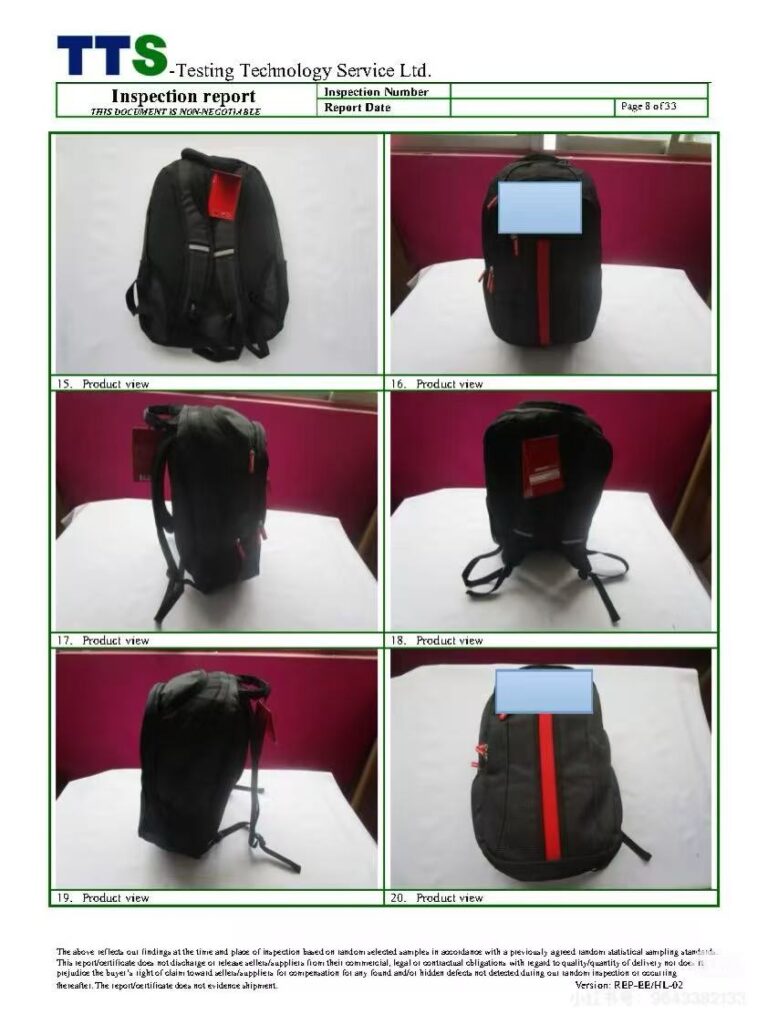
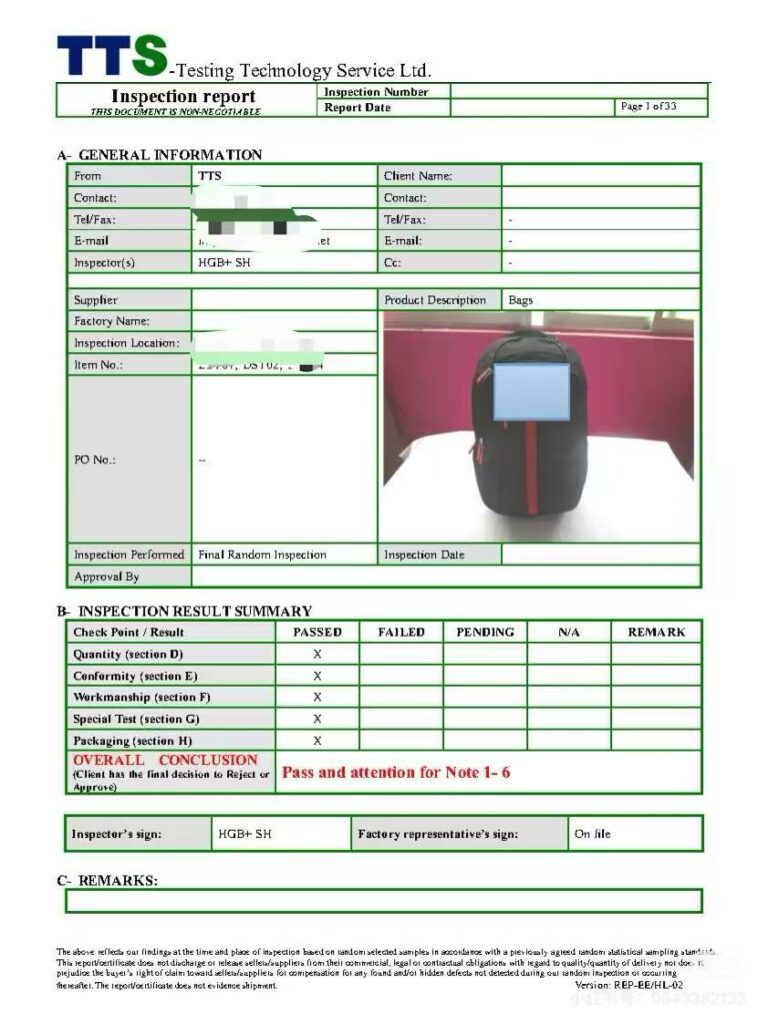
Inspection items are selected according to the bag style, material and confirmed order specifications. The table below shows common in-house checks used during production and before shipment.
Swipe to view the complete table ↔
| Test Item | Common Check Method | Reference Result | Applied To |
|---|---|---|---|
| Strap & Handle Load Check | Apply load to handles, shoulder straps, webbing and reinforced stress points to review attachment strength. | Typical internal reference: 5–10 kg, adjusted to the bag type and construction. | Backpacks, tote bags, travel bags, cooler and lunch bags |
| Zipper Open-Close Check | Open and close the zipper repeatedly to review movement, tooth alignment and puller attachment. | Typical internal reference: 50–100 cycles before shipment. | Backpacks, travel bags, cosmetic bags, crossbody bags and cooler bags |
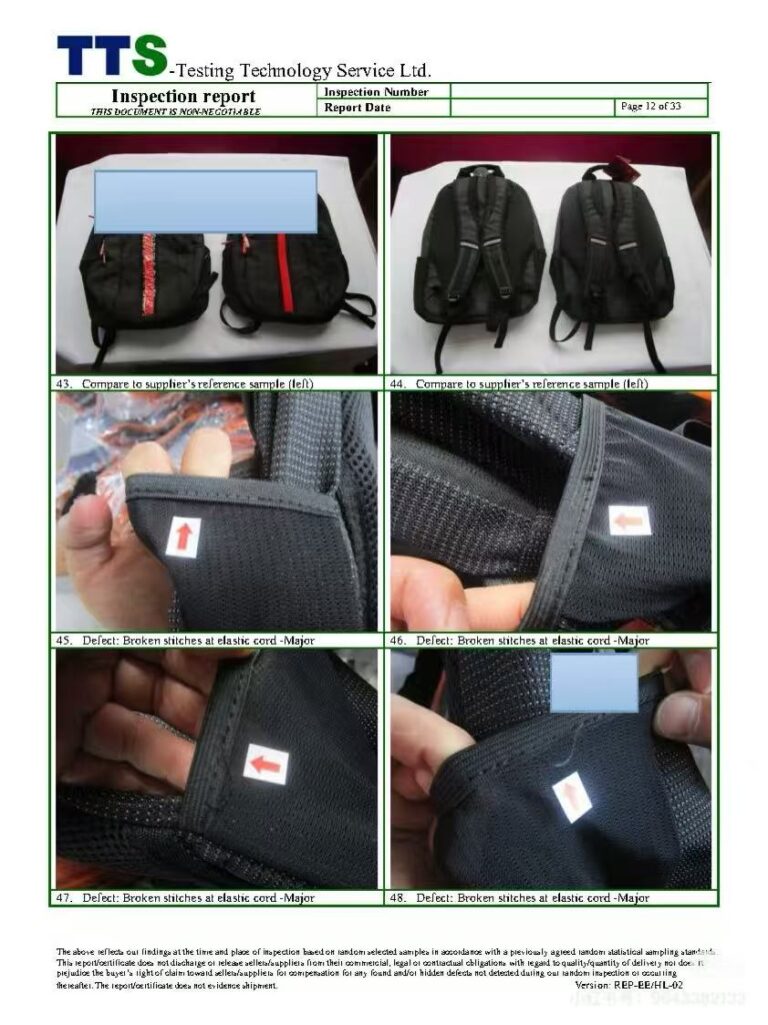
| Seam & Stitching Check | Inspect key seams, corners, pocket edges, bottom panels and handle joints for loose threads or weak stitching. | No open seams, broken stitches or visible deformation under the agreed check. | All sewn bag categories |
| Logo Adhesion Check | Review printing, heat transfer, rubber patches, woven labels and embroidery for position and surface quality. | Clear placement with no obvious peeling, cracking, lifting or visible damage. | Custom logo orders across all bag categories |
| Color Rubbing Check | Rub the fabric surface or printed area to identify obvious color transfer, especially on dark or bright colors. | Basic in-house check; third-party colorfastness testing can be arranged when specified. | Relevant canvas, RPET and printed material orders |
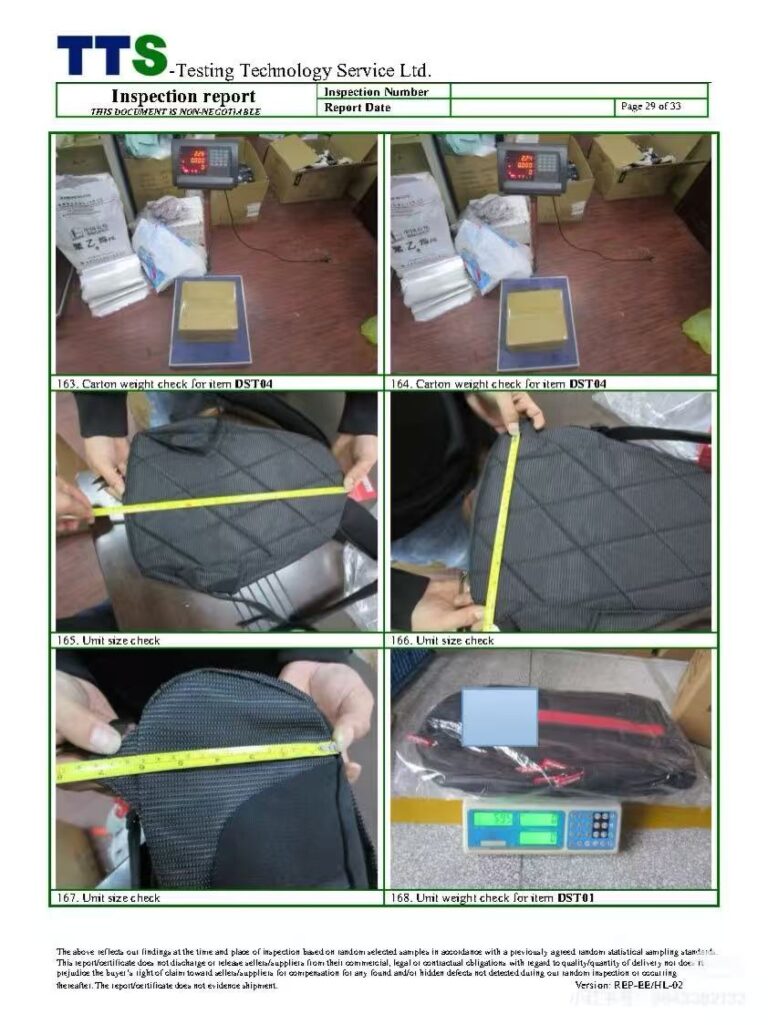
| Size & Shape Check | Measure finished bags and compare the dimensions, shape, capacity and structure with the approved sample. | Checked against the approved sample and confirmed production tolerance. | All custom bag orders |
| Packing Drop / Handling Check | Review export carton strength, sealing, carton marks and product protection under the agreed handling check. | Carton and internal packing should remain secure and protect the packed products. | Bulk orders using export carton packing |
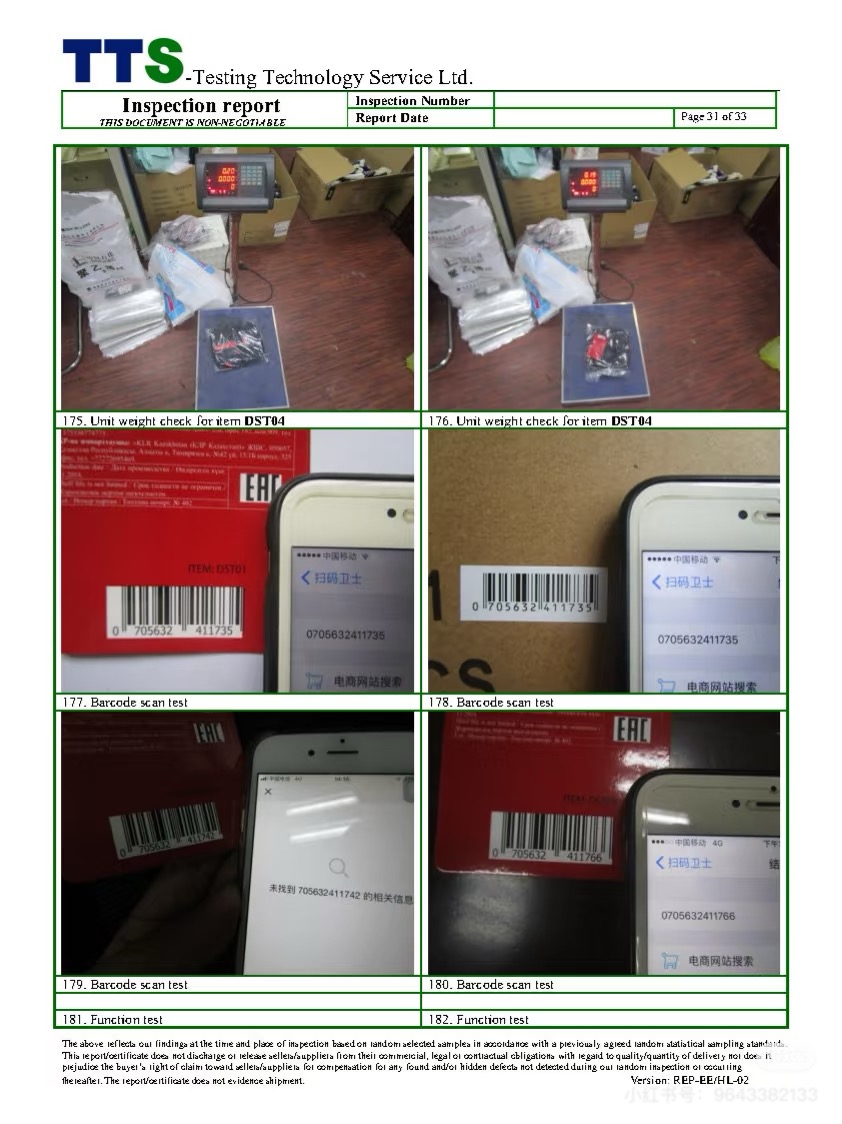
| Final Random Inspection | Randomly review finished goods for appearance, function, quantity, logo, packing and order consistency. | Checked against the confirmed inspection list; AQL inspection can be arranged if required. | Bulk production orders |

Note: Test methods, loading levels, cycle counts and acceptance criteria may vary by bag structure, material and order requirements. Any buyer-specific standard should be confirmed before sampling or bulk production.
Different custom bags do not follow one identical production route. Planning changes with panel shapes, material layers, load-bearing points, insulation, hardware and the workmanship confirmed through the approved sample.
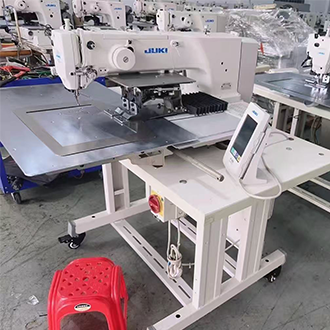
Computerized pattern stitching can repeat approved reinforcement shapes at handles, shoulder straps, webbing ends and other load-bearing areas when required by the design.
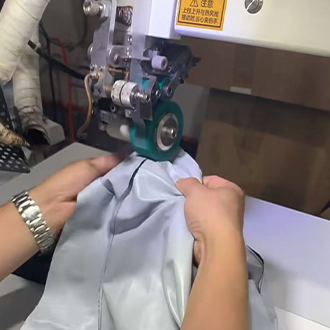
For applicable cooler and lunch bag structures, production may require coordinated preparation of outer fabric, insulation, lining and sealed or reinforced internal areas.
Quality checks follow the approved sample, confirmed artwork and packing instructions at the relevant production stages. Methods, sampling levels and acceptance criteria are confirmed according to the custom bag structure and project requirements.
Review the confirmed material, color, trims, hardware and other components before they are released into production.
Monitor stitching, seams, reinforcement, dimensions, assembly and visible finishing while the custom bags are being produced.
Check appearance, function, branding and packing details against the approved project requirements.
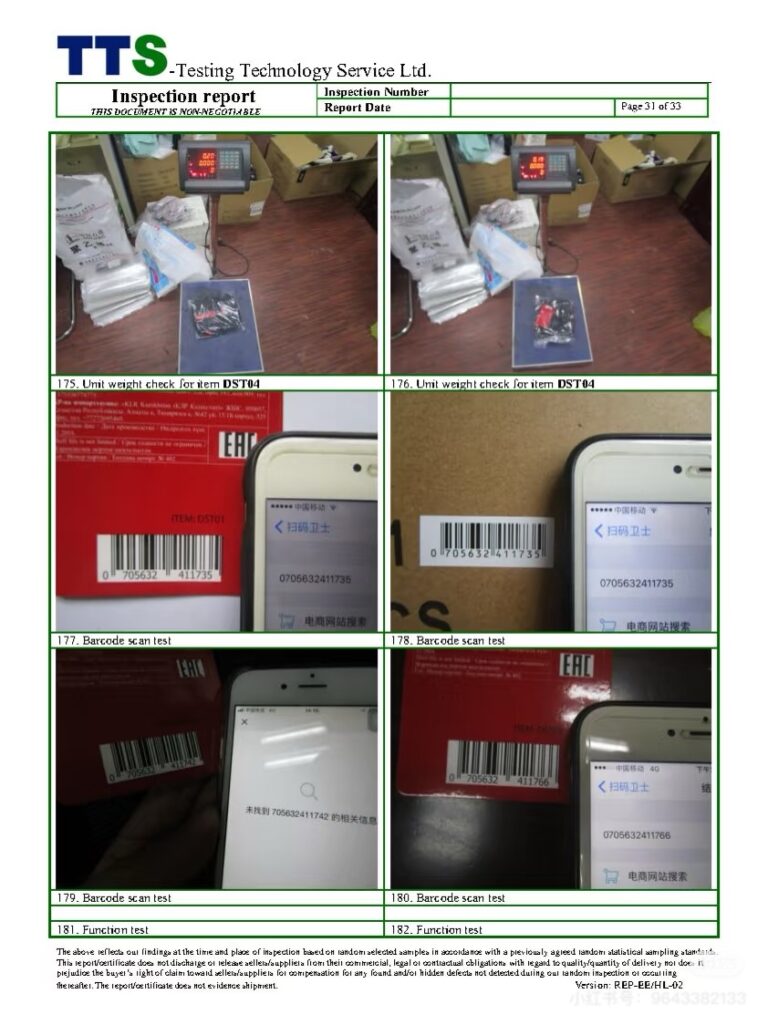
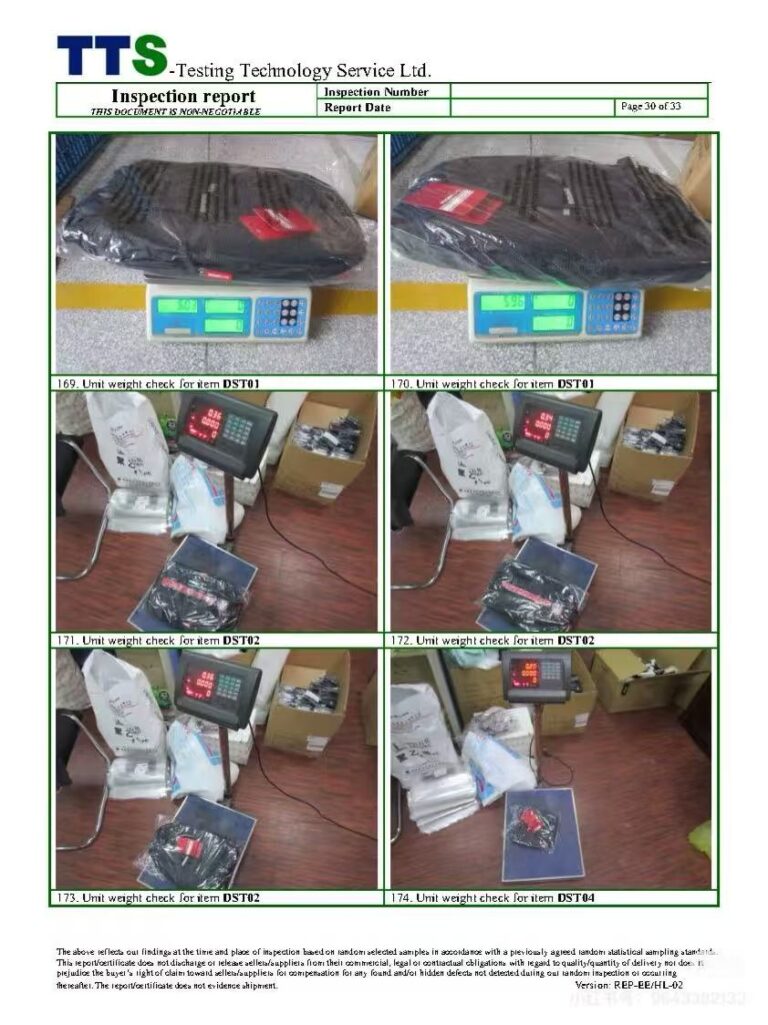
Before shipment, finished custom bags can be reviewed for workmanship, dimensions, function, logo execution, quantity, labels, barcodes, assortment and export packing. The inspection scope, sampling method and acceptance criteria are confirmed according to the product structure and customer requirements.


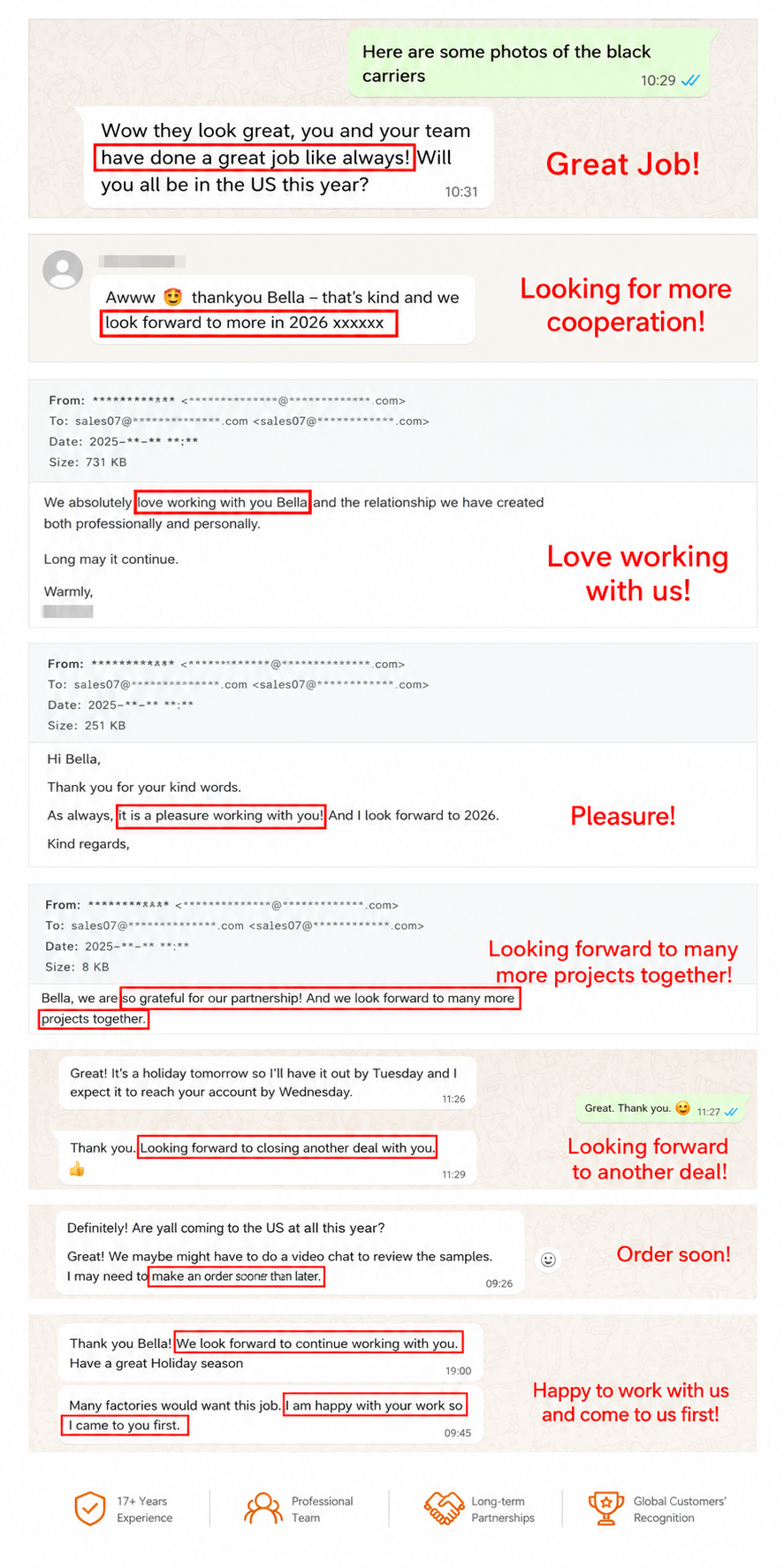
These comments are taken from anonymized client messages and email correspondence relating to completed custom bag work. Names, companies and contact details have been removed for confidentiality.
Anonymized client feedback
SUPPLIER REVIEW
Different custom bag projects may require recycled-material documentation, social-compliance review or supplier-audit records. Relevant documents can be reviewed according to the selected material, production arrangement and project requirements.
GRS / SGS
The available GRS scope documentation can support supplier review when a custom bag project involves applicable recycled materials and covered manufacturing or packing activities. Product-level claims and supporting transaction documents must be confirmed for the specific order.
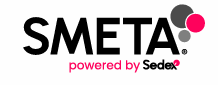
SMETA / SEDEX
SMETA documentation provides an independent review covering labour standards, workplace health and safety, environmental practices and business ethics for supplier-evaluation purposes.
BSCI / CAPR
Available audit and corrective-action records show identified findings and the corresponding follow-up actions that can be reviewed when relevant to supplier qualification.
Document scope, validity and applicability should be confirmed before a certificate or audit record is used for a specific custom bag project.
These logos represent verified cooperation references connected with completed bag projects. Product type, order scope and services varied by project, while customer-specific designs, quantities and commercial details remain confidential.
The exact scope of support differed for each project.
Company and brand names remain the property of their respective owners. Their display is provided as a cooperation reference and does not imply endorsement.
These answers focus on selecting and comparing custom bags. Material, sampling, quality and packing details are explained in the relevant sections above.
Start with the intended contents, carrying method, required capacity and expected use. We can then compare the closest custom bags and structures before a specific style is selected.
Yes, different custom bag categories can be reviewed within one project. Material minimums, color quantities, artwork, packing and production planning must still be confirmed for each structure.
A consistent logo, color and trim direction can be developed across several custom bags, but the application method may need to change according to the material, placement and construction.
Yes. A reference style can be reworked for a different capacity, carrying method or compartment layout. The revised structure must be reviewed and sampled before bulk production.
We review the construction, materials, dimensions, components, branding, quantity and required performance. Any unclear or difficult areas are discussed before quotation or sampling.
Send both references together with the intended use, approximate dimensions, estimated quantity and required differences. We can identify the closer production direction and the information still needed.
Share the intended product use, estimated quantity and available references. Annabelle Bag will review the closest bag category, structure and next practical development step.
You do not need a complete technical file for the first discussion. Send the information currently available, and we will identify what still needs to be confirmed.
Attach the available reference information and describe the product direction you want to discuss.
Our team will review the project and help you define a workable direction before sampling and bulk production.
Free sample support may be available for qualified B2B projects. International courier and custom development conditions may apply.
Share your product idea, reference image or purchasing requirements.Basic information is enough to begin. Add your bag category, reference image, estimated quantity or customization details if available.