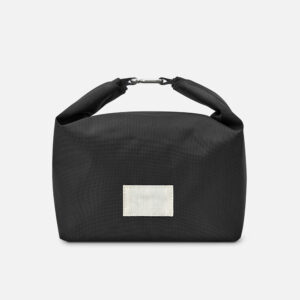
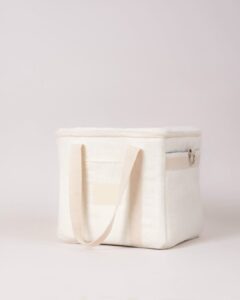
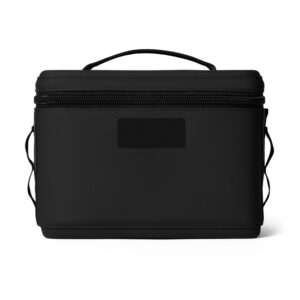
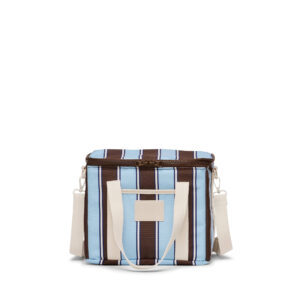
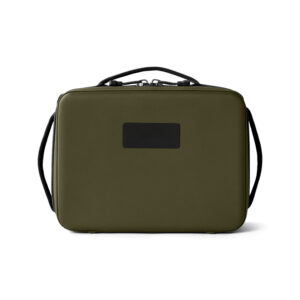
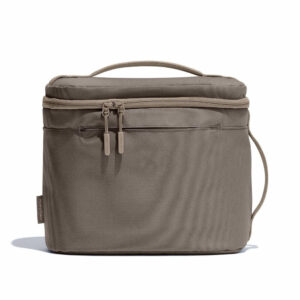
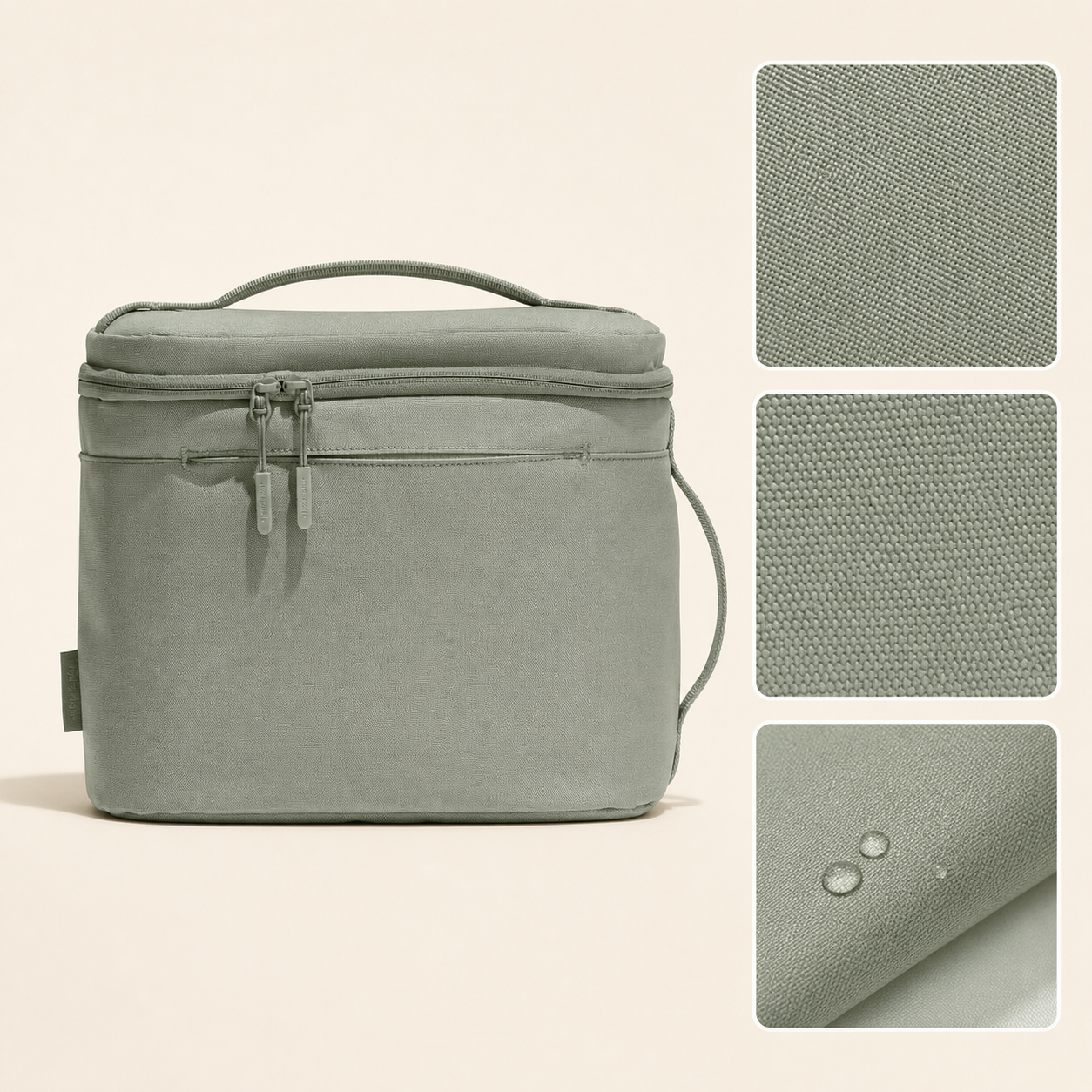
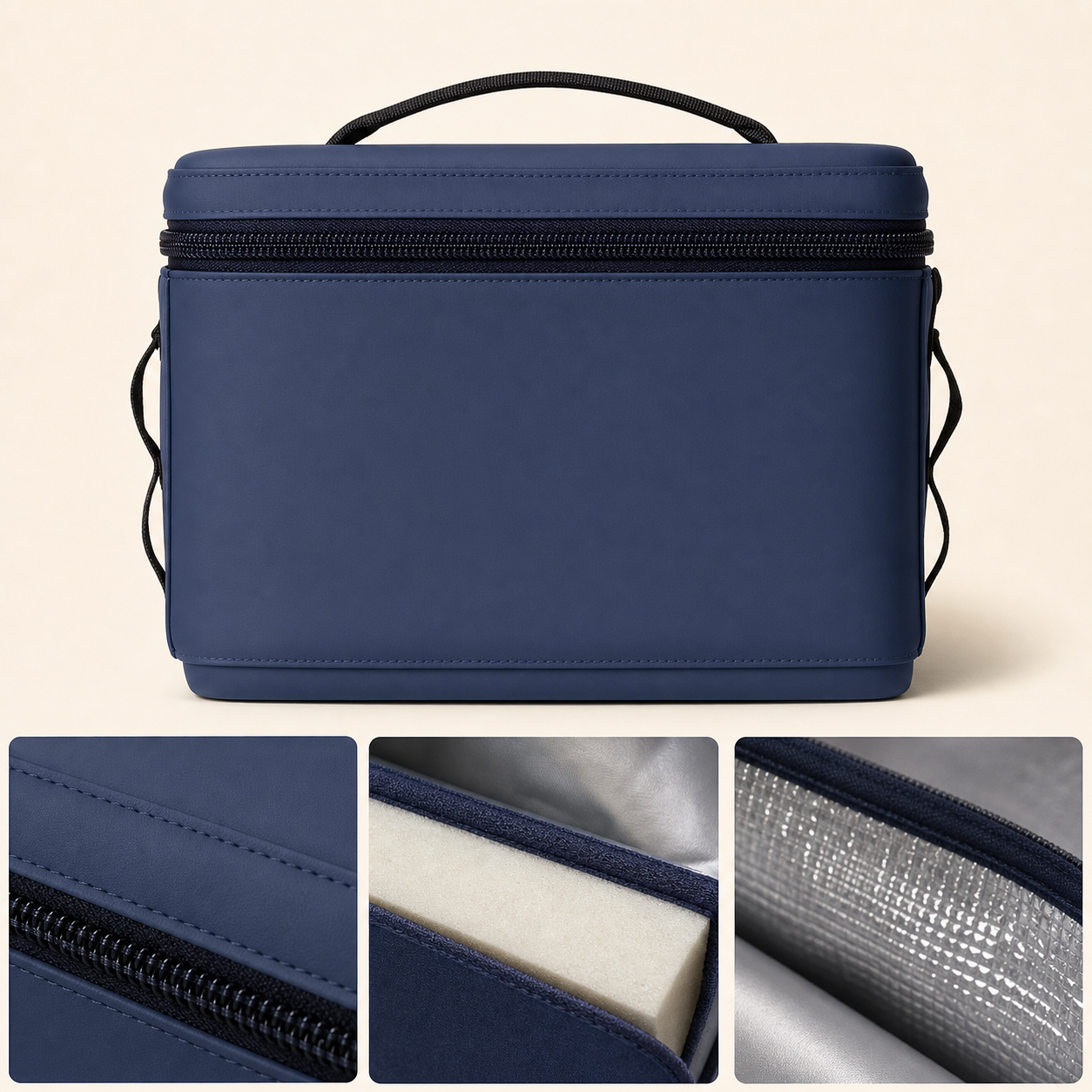
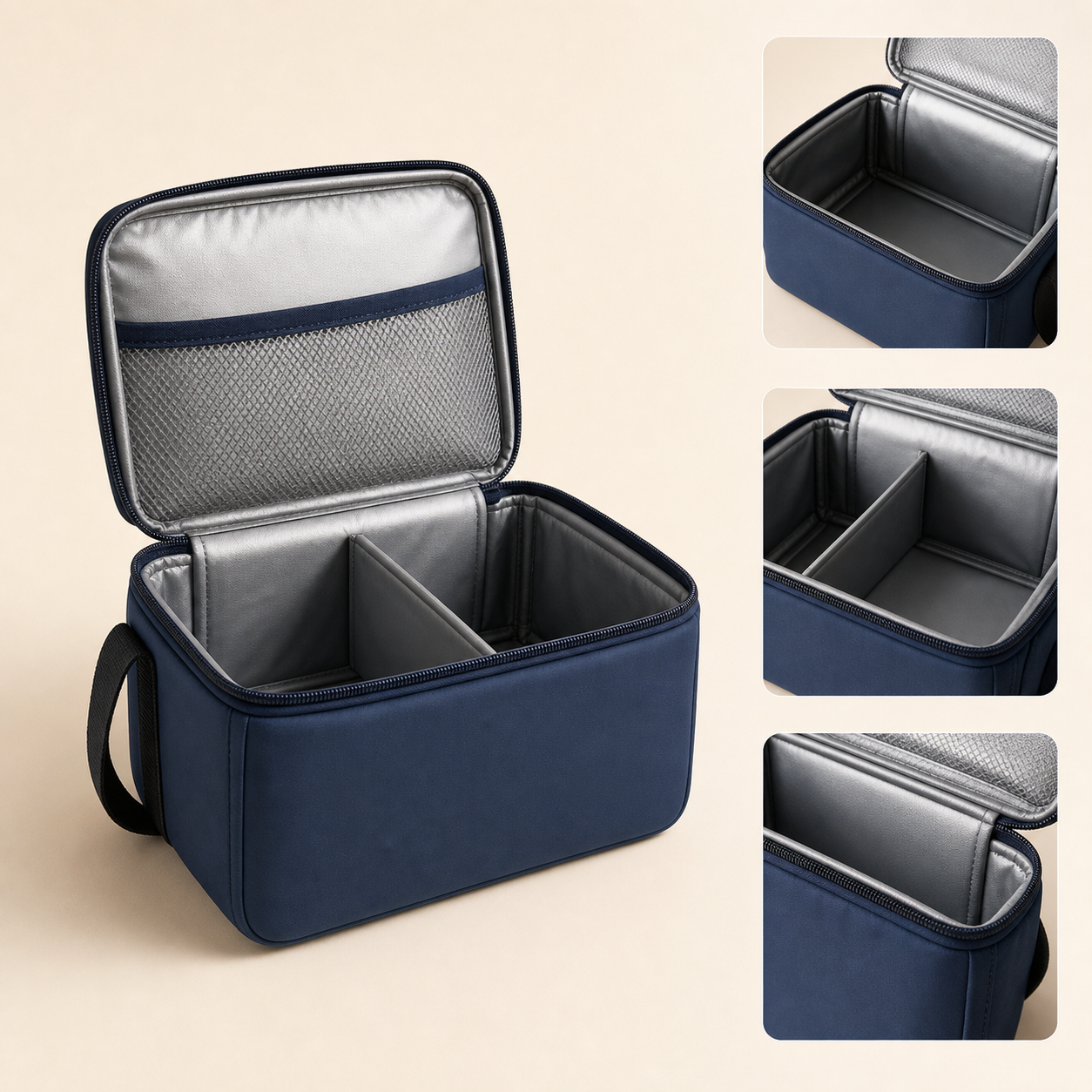
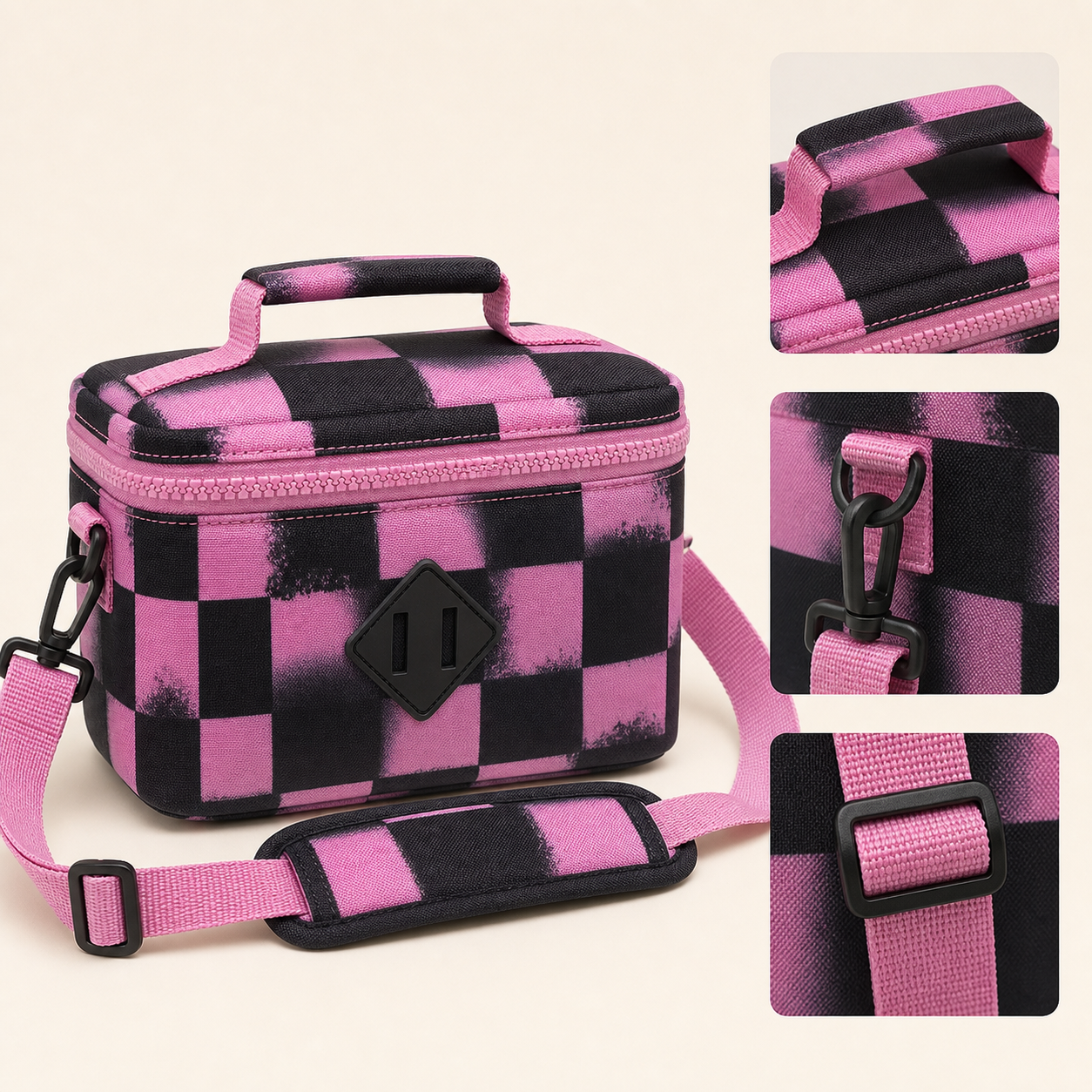
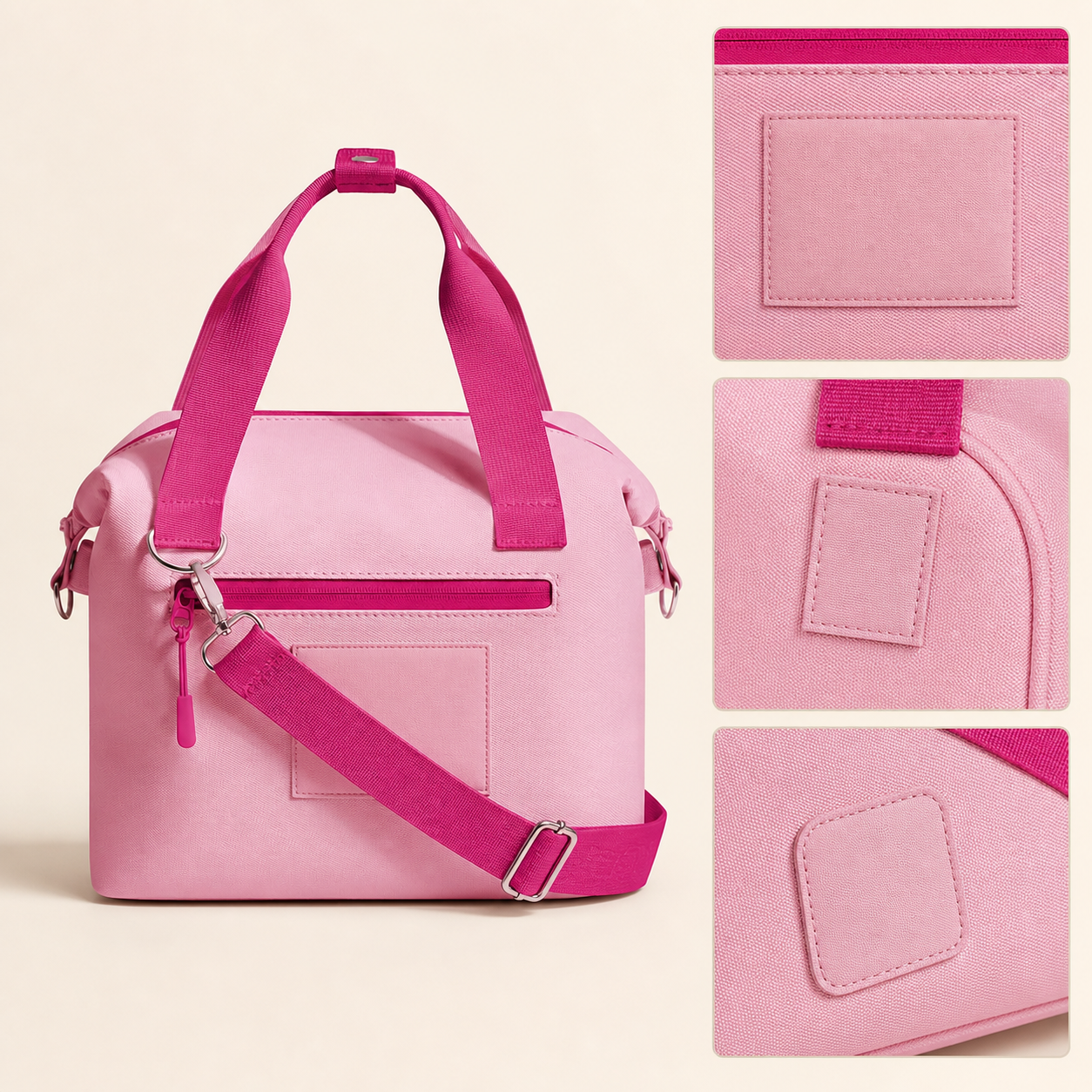
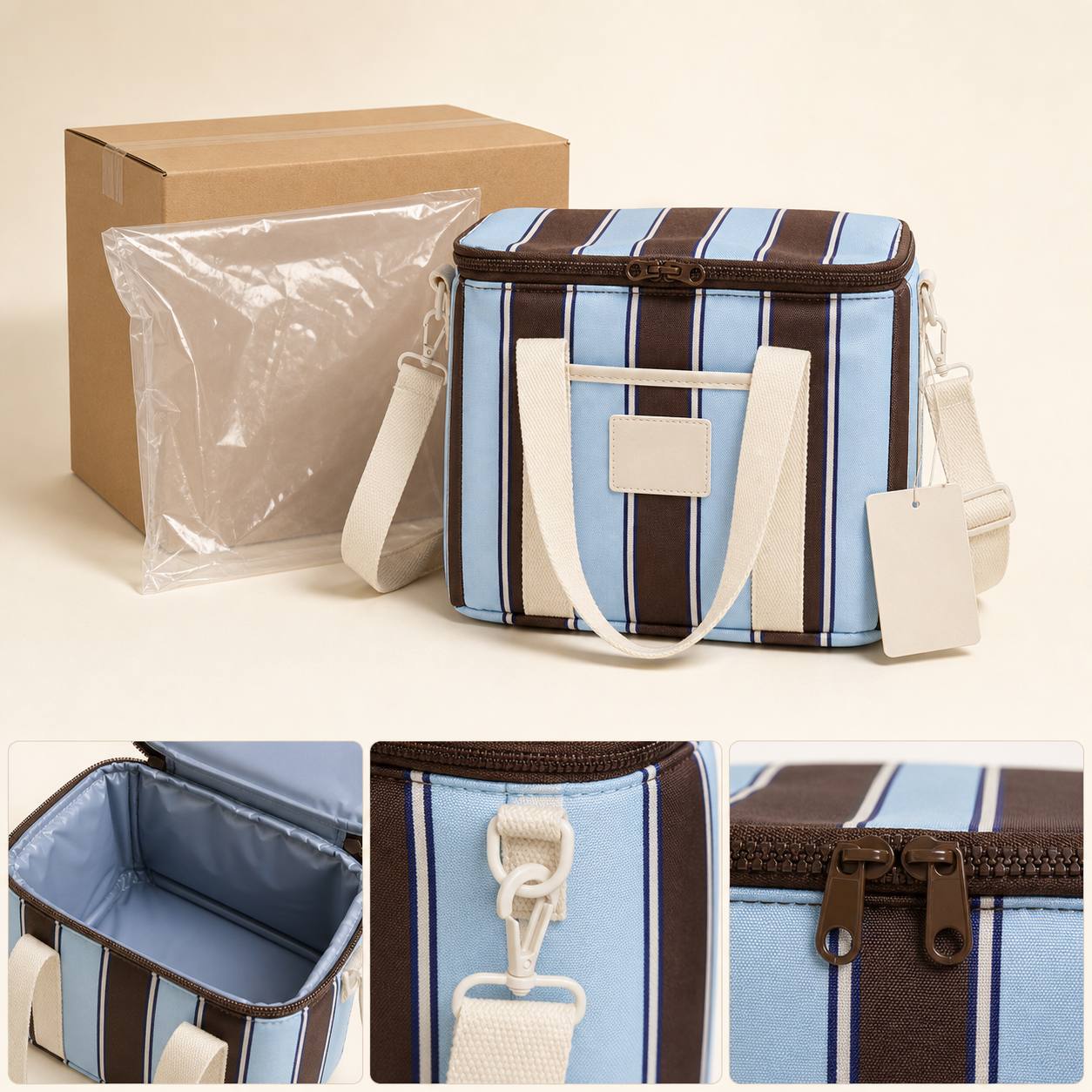
Yes. Please define the ambient conditions, starting contents temperature, ice or gel-pack arrangement, opening frequency and target duration. These conditions are needed to evaluate a construction meaningfully. Any stated temperature-retention result should relate to the tested sample and conditions, rather than being applied to every size or material version.
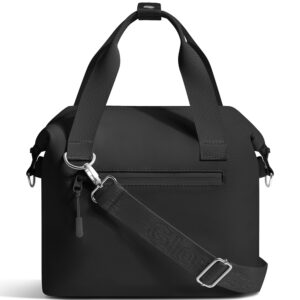
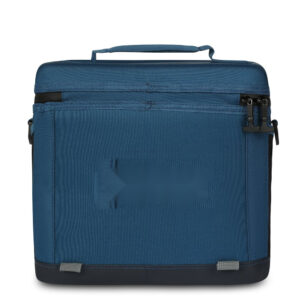
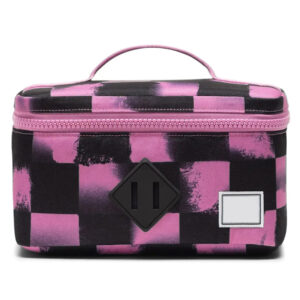
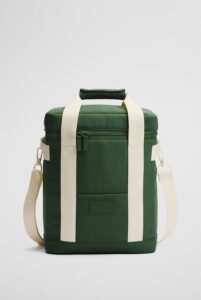
Lunch bags are generally designed for individual daily use, while cooler bags cover a wider range of applications, including food delivery, promotional products, picnic use and commercial insulated packaging.
Yes. Product structures can be developed for takeaway, meal delivery and commercial food transport, with layouts and carrying options adapted to different operational needs.
Yes. Cooler bags can be developed for seasonal collections, supermarket promotions, outdoor brands, corporate gifts and private label retail programs.
Our development team reviews the intended application, carrying capacity, insulation requirements and product positioning before recommending a suitable construction for sampling.
Yes. The same construction can be adapted into different capacities and dimensions while maintaining a consistent product appearance across an entire product series.
Compare the finished dimensions, outer fabric, insulation type and thickness, liner specification, closure, reinforcement and unit packaging. Check whether testing, labels and any special packing are included. If a supplier proposes a lower-cost alternative, ask which part of the specification changes so your team can assess the effect on the product.
Production schedules vary according to order quantity, material availability and project complexity. Once the sample is approved, a production plan is arranged based on the confirmed specifications.