Custom Bag Quality Control from Materials to Shipment
Annabelle Bag controls custom bag quality against the approved sample, confirmed specifications and packing requirements. Inspection points are arranged across incoming materials, first-piece confirmation, production, finished products and shipment preparation.
A Structured Quality Control System for Custom Bag Production
Our quality-control workflow follows the product from material preparation to shipment release. The inspection plan, sampling level, testing requirements and acceptance criteria are confirmed according to the approved sample and the requirements of each order.
01
IQC
Incoming materials and components are checked before they enter normal production.
02
First-Piece Confirmation
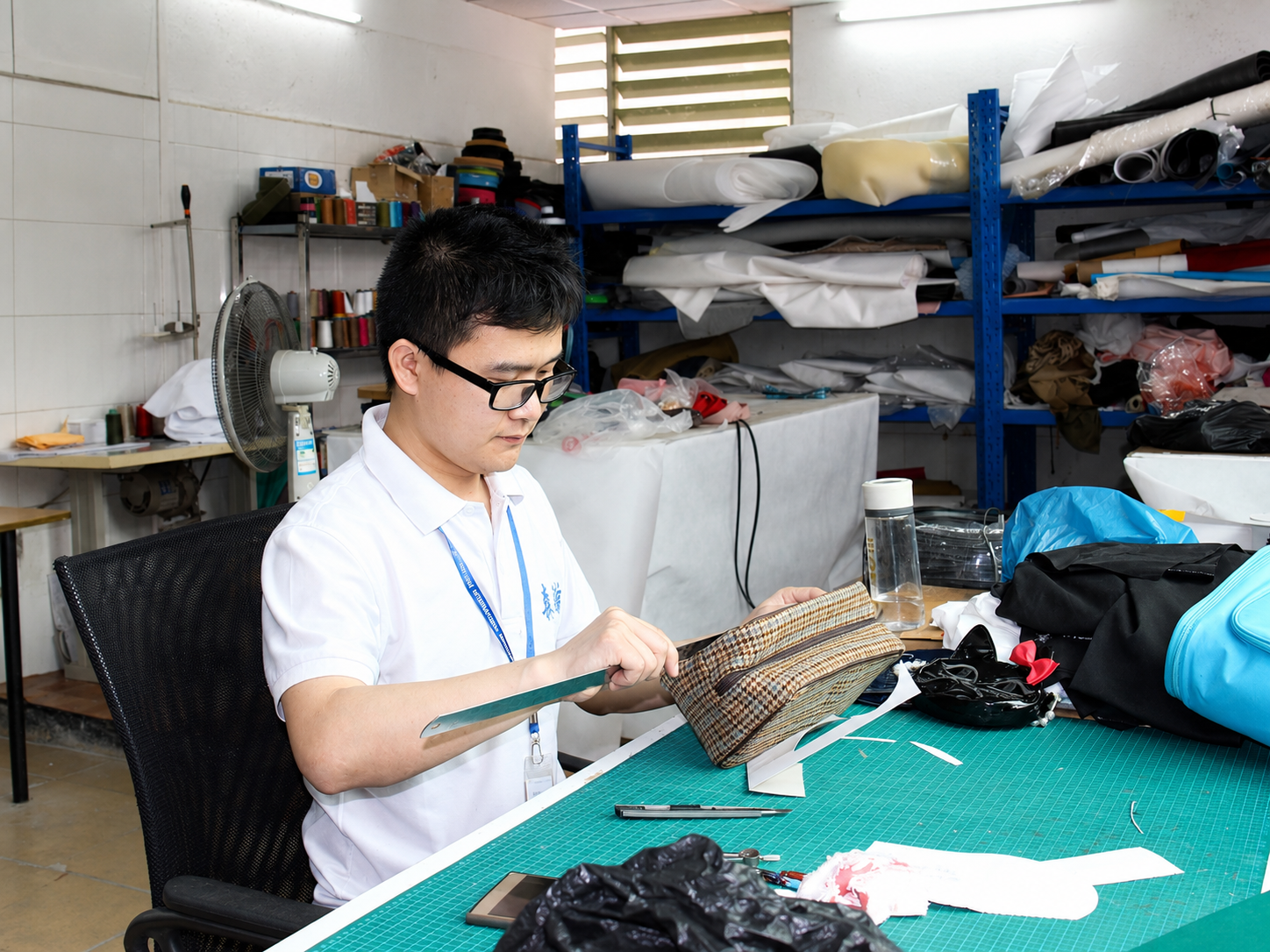
The first completed unit is compared with the approved production reference.
03
IPQC
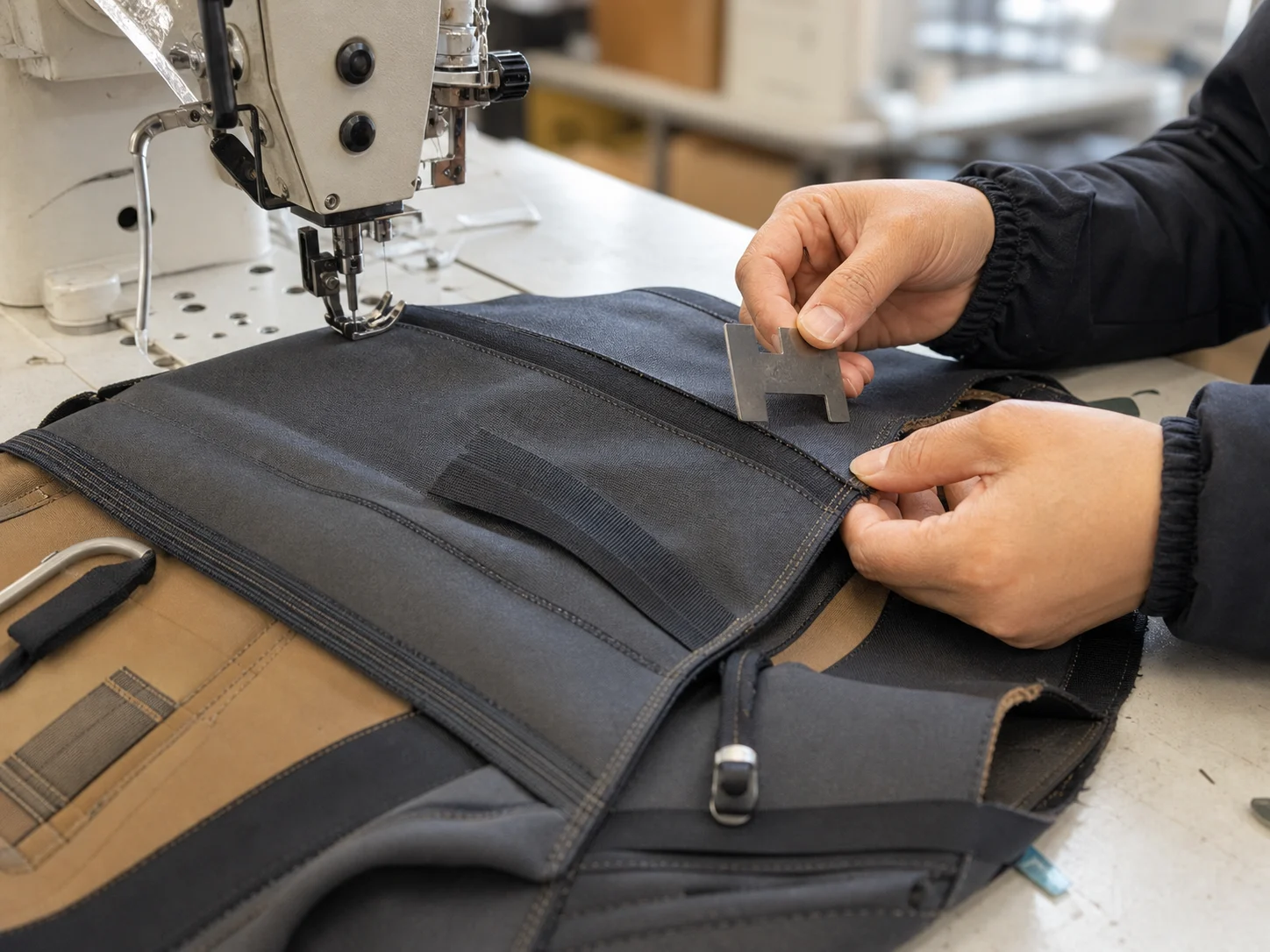
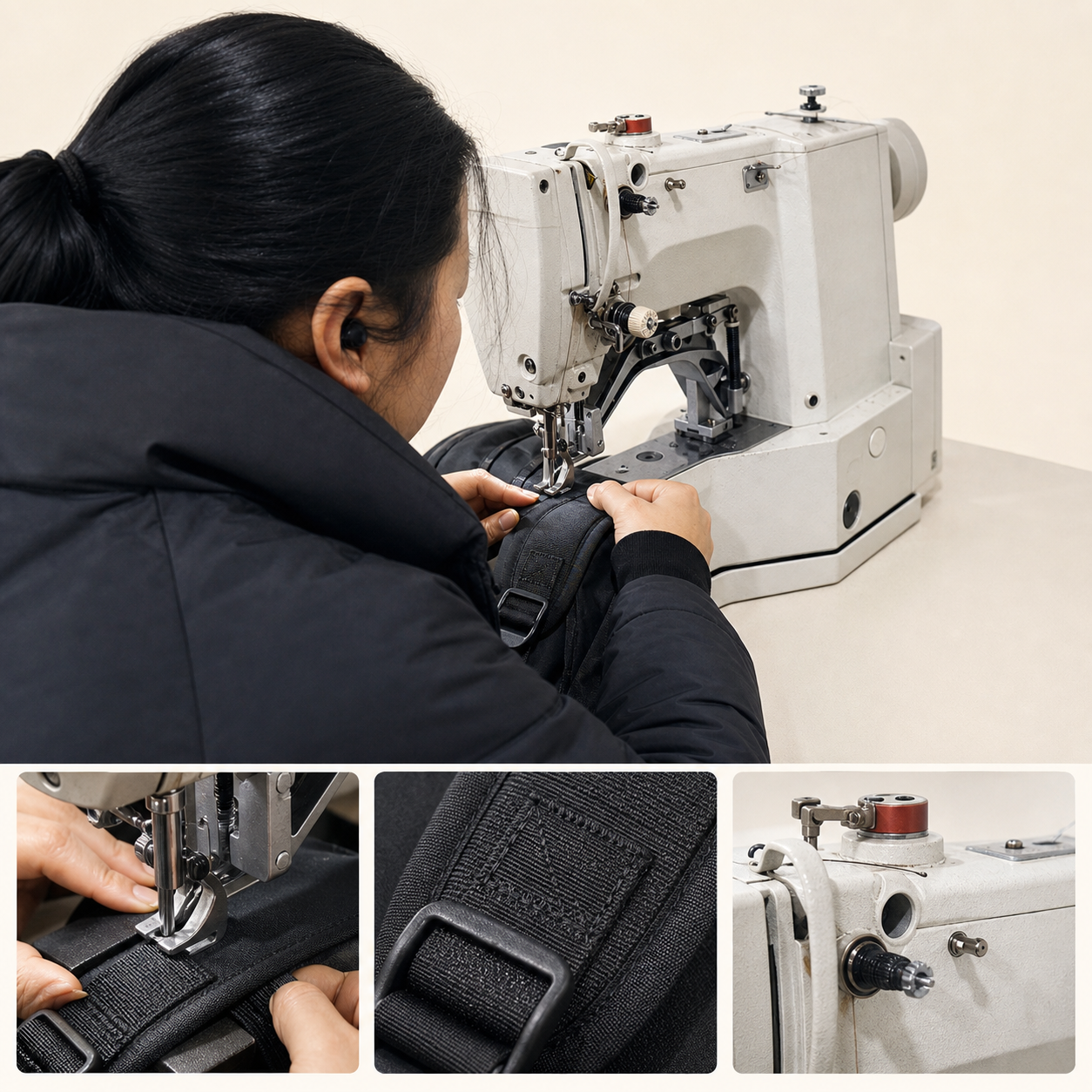
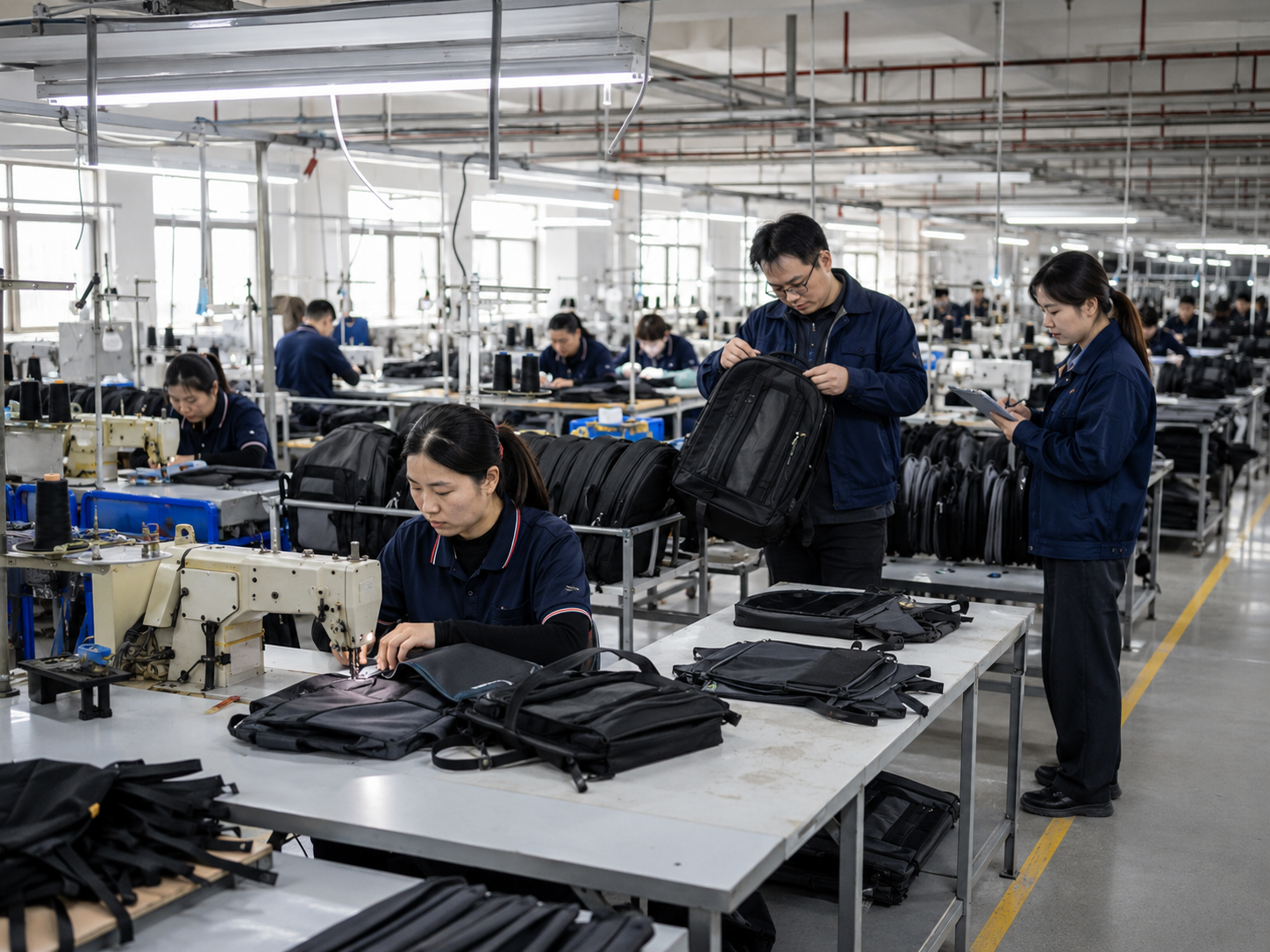
Construction and workmanship are checked while sewing and assembly are in progress.
04
LQC
Production-line checks help identify repeated issues before the order is completed.
05
OQC
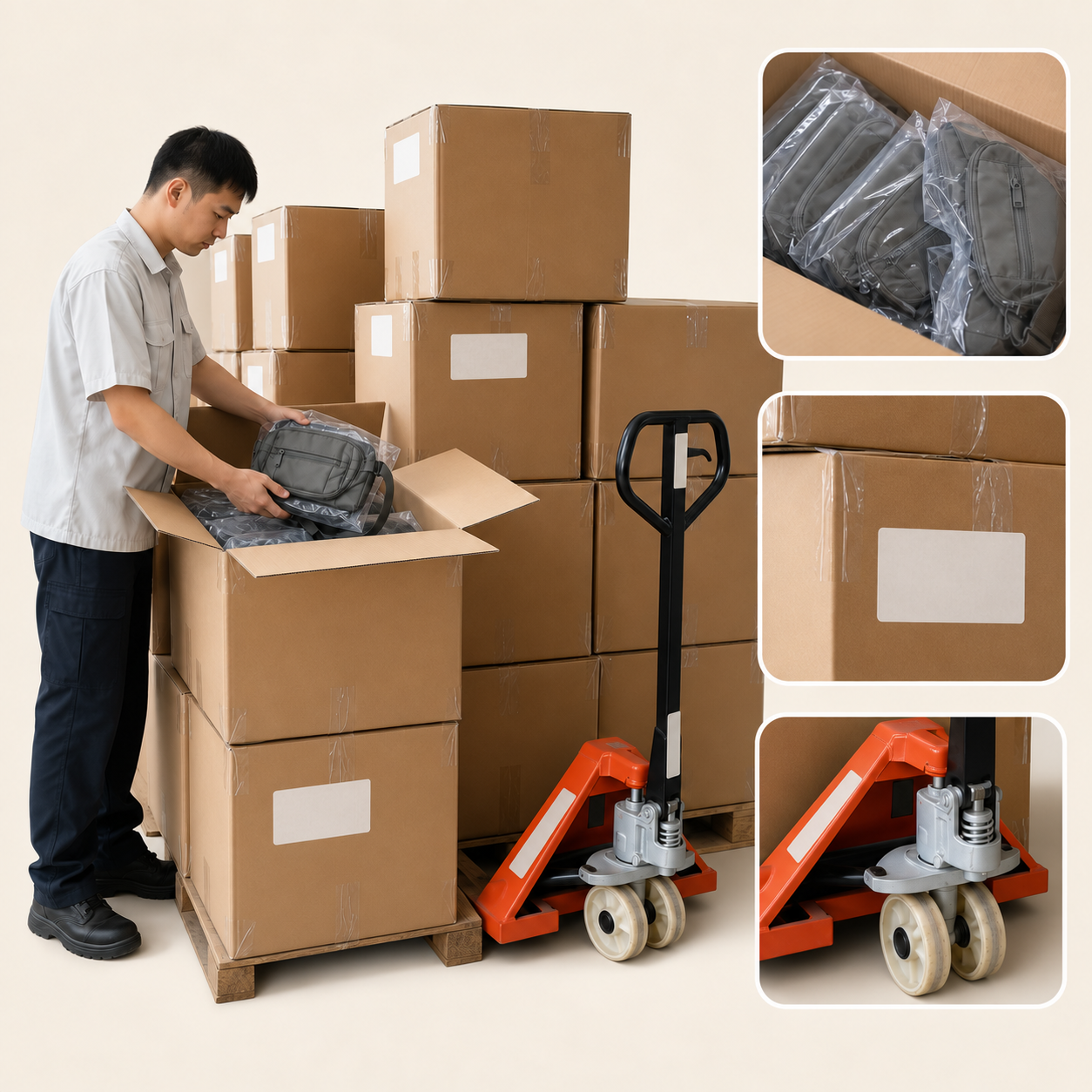
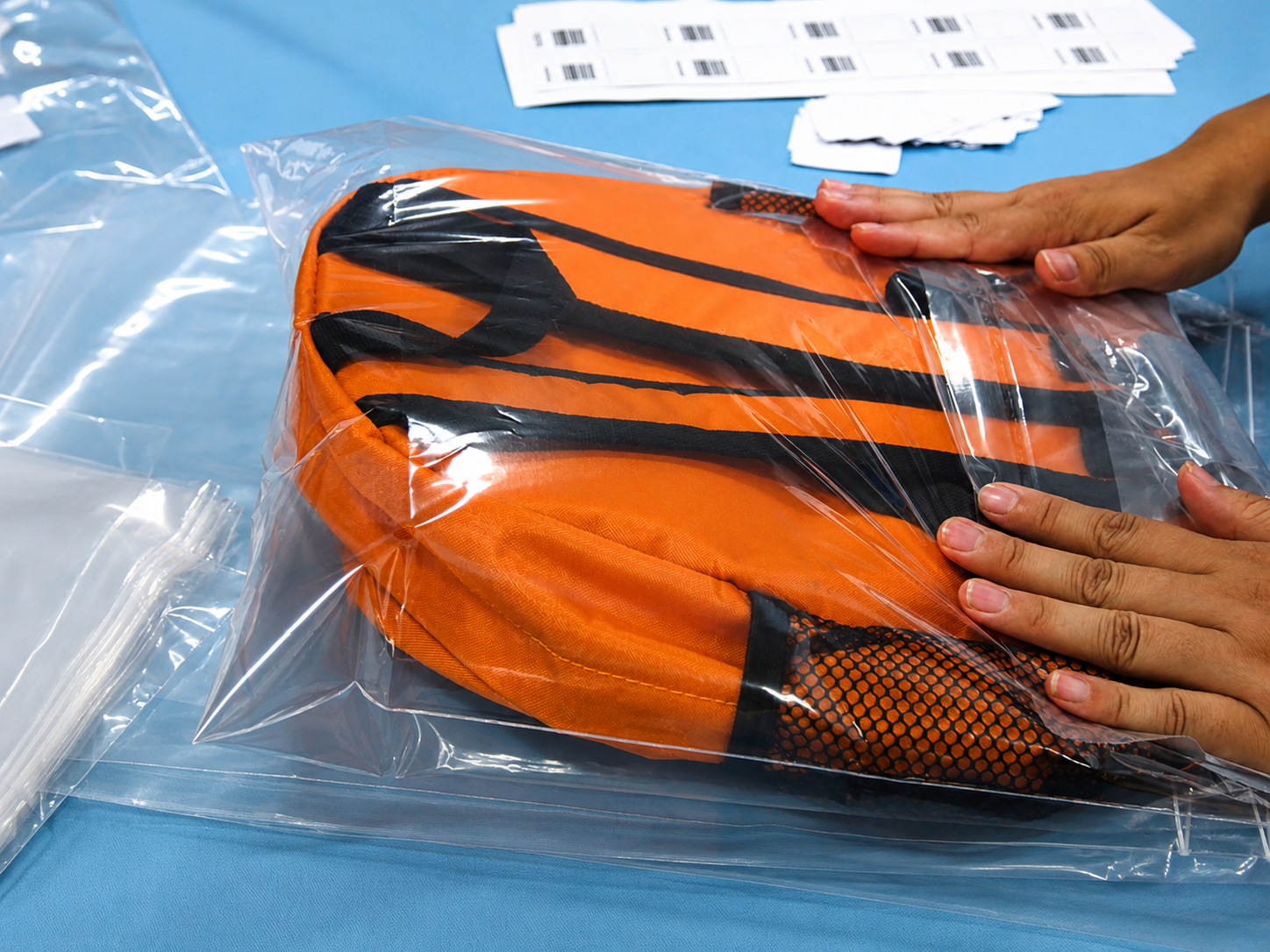
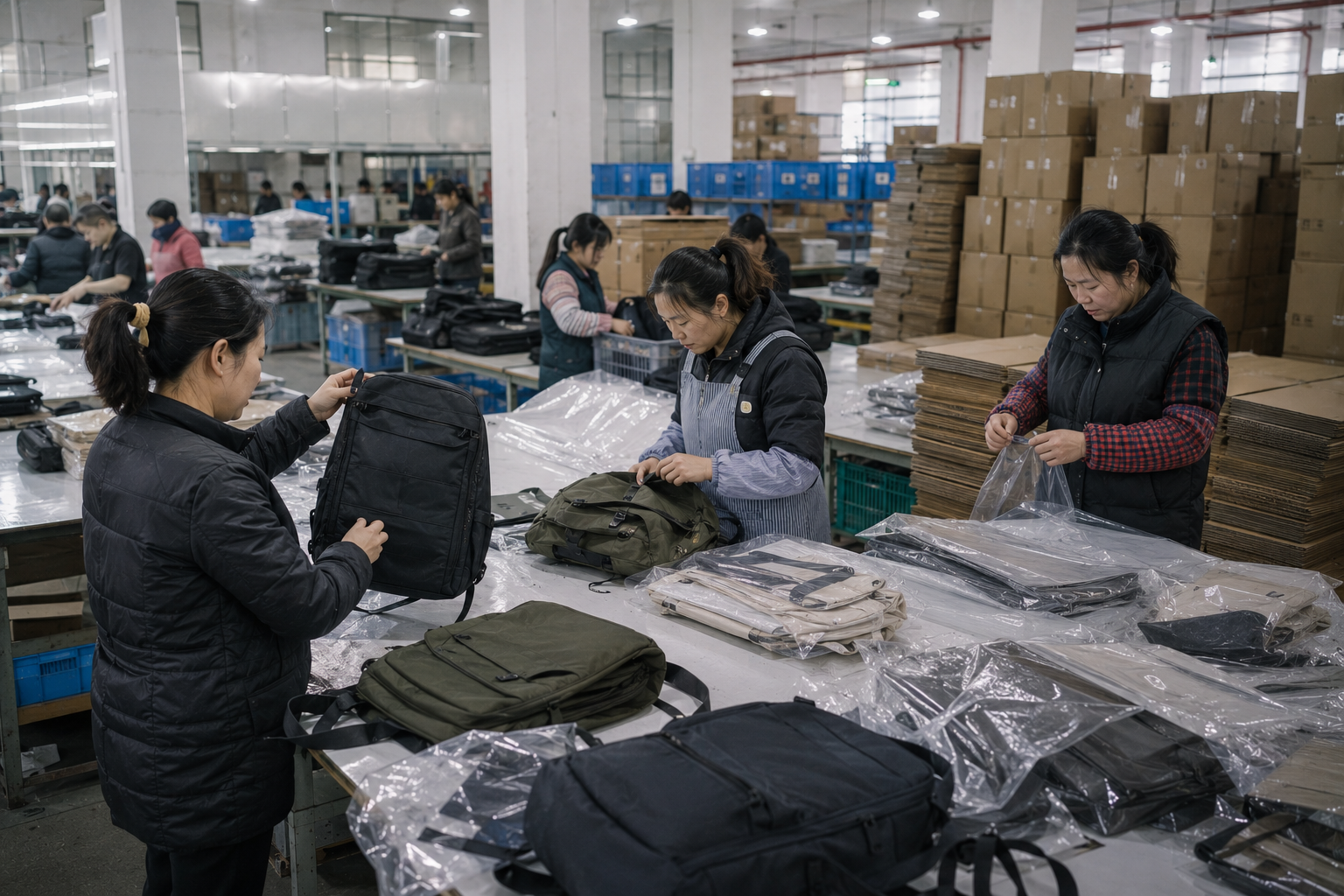
Finished products, quantities and packing information are reviewed before shipment release.
06
Corrective Action & Reinspection
Nonconforming items are isolated for review. Corrective action is confirmed and the affected products are reinspected before they move to the next stage or shipment.
Quality Control Begins with a Confirmed Production Standard
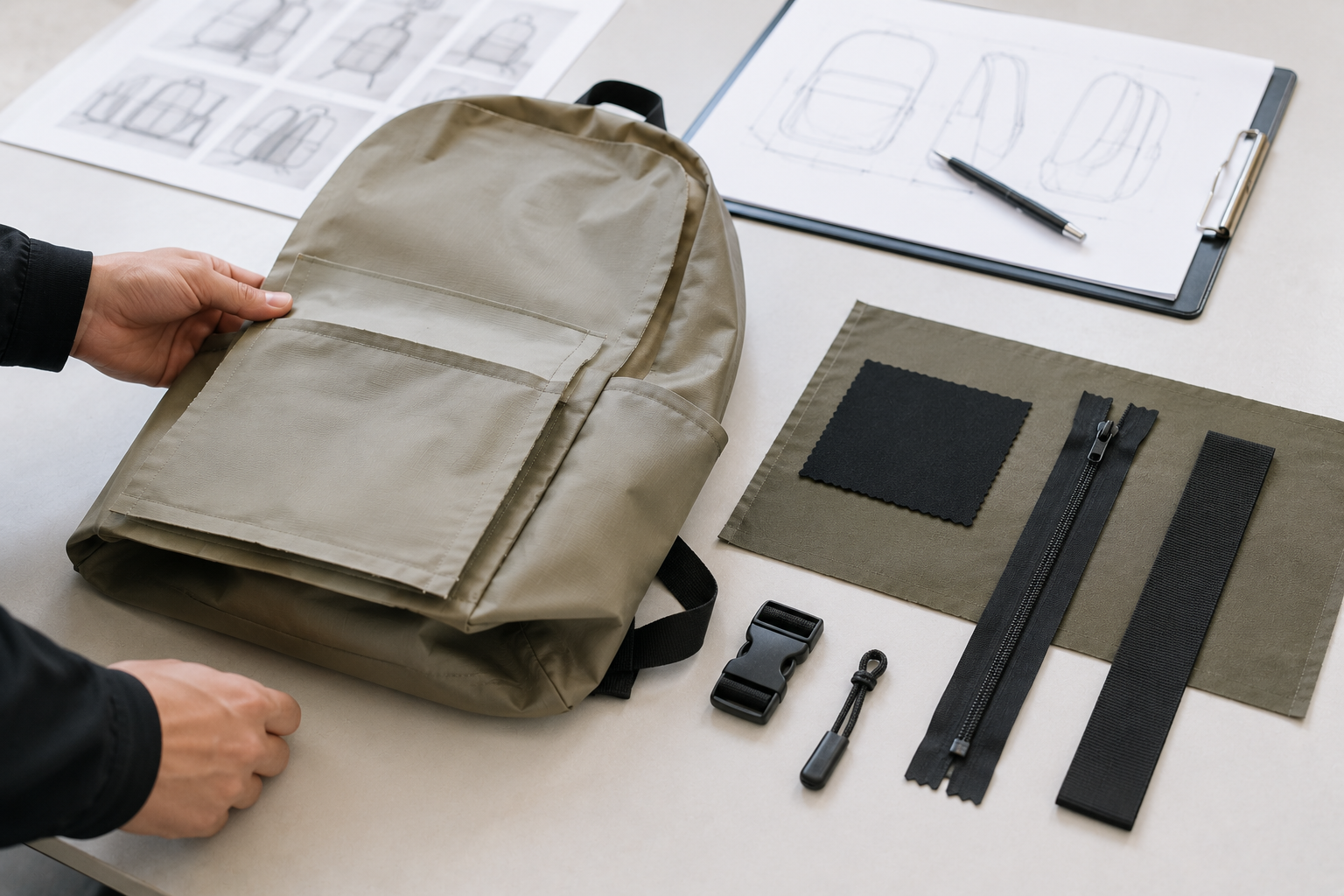
Inspection is carried out against confirmed product information rather than individual judgement. The approved sample, product specification, branding reference and packing instructions form one production standard before bulk manufacturing begins.
Approved Sample
Defines the confirmed appearance, construction, workmanship and function of the finished bag.
Product Specification
Records dimensions, materials, colors, components and agreed tolerances.
Branding Reference
Confirms artwork, logo method, position, size and color before logo application.
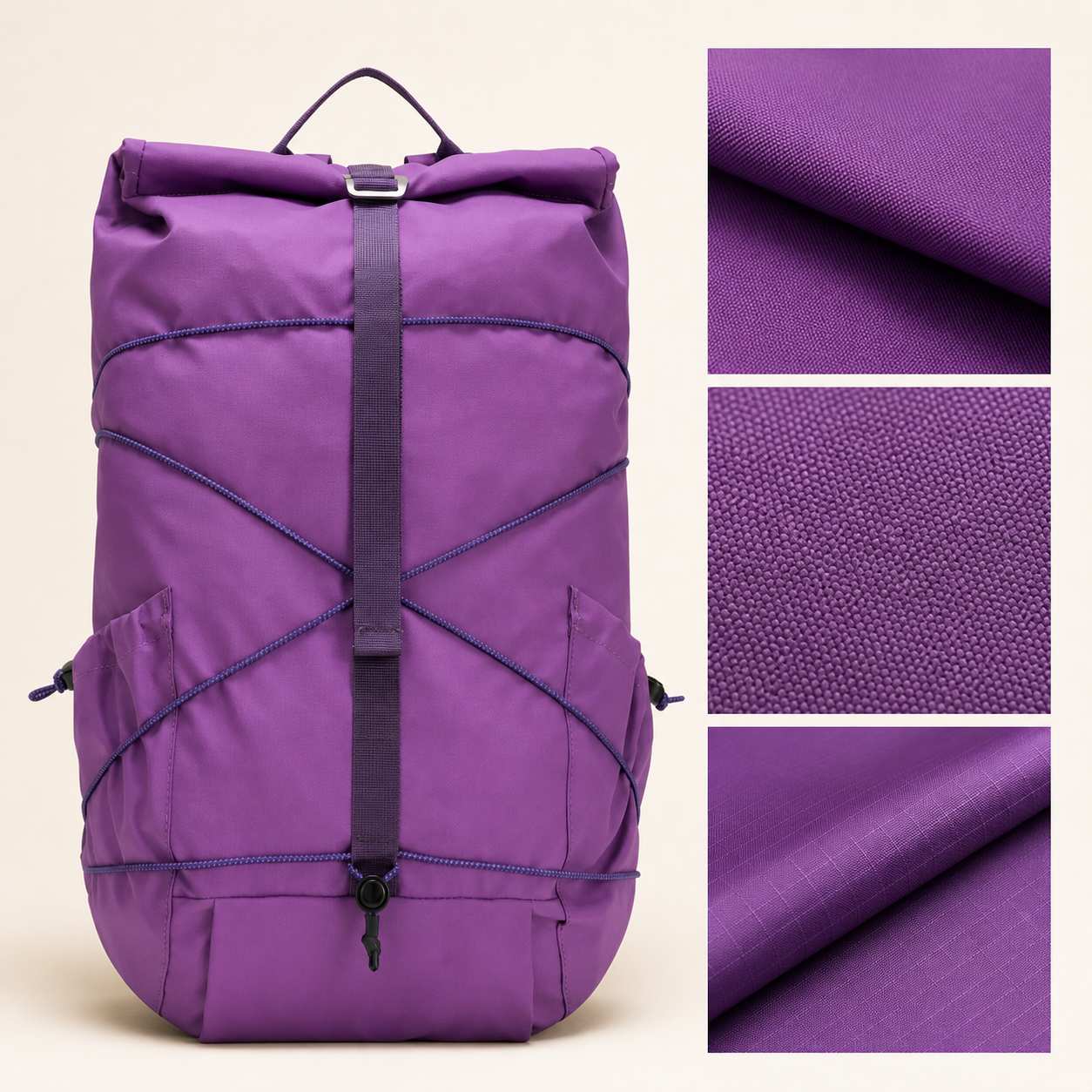
Fabric, lining, webbing, binding, zippers, buckles, hardware, padding, reinforcement materials and branding components are compared with the confirmed references before they enter normal production.
Control point: Materials or components that do not match the confirmed references are identified and separated before cutting or assembly.
First-Piece Confirmation Before Production Continues
The first completed unit is reviewed for materials, dimensions, construction, component placement, logo application and workmanship. Identified differences are corrected before the same issue can be repeated across the order.
Approved Reference
Confirm the sample and final revision notes.
First Completed Unit
Check the actual construction and workmanship.
Production Release
Continue after identified differences are resolved.
Inline Quality Control During Sewing and Assembly
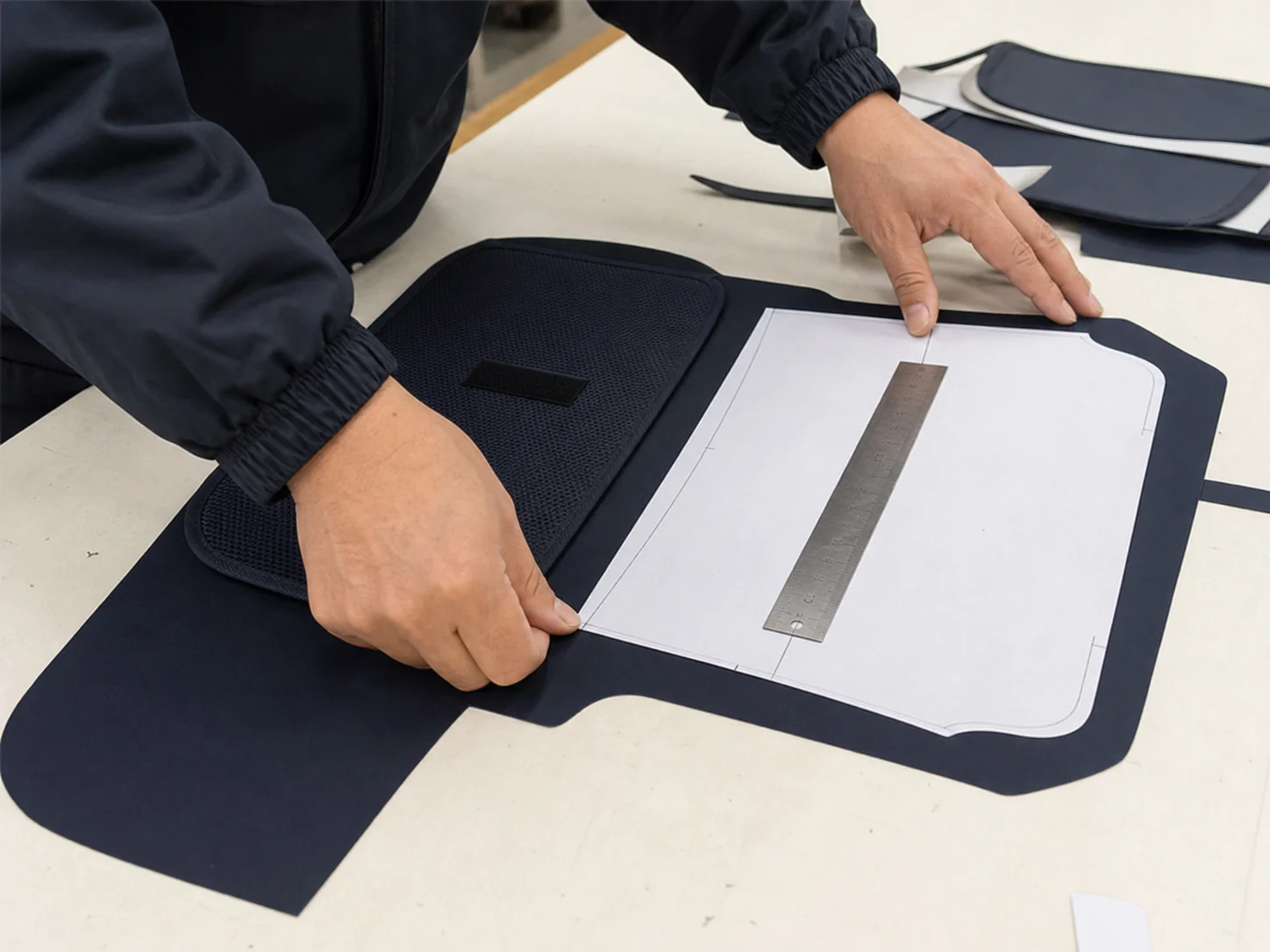
Quality checks continue while cutting, sewing, component assembly and finishing are in progress. This helps the production team identify construction or workmanship issues before they are repeated across the full batch.
Cutting and Panel Accuracy
Panel shape, cutting direction, matching parts and material allocation are reviewed against the confirmed construction.
Sewing and Construction
Stitch consistency, seam alignment, pocket position, binding and component assembly are checked during production.
Reinforcement Points
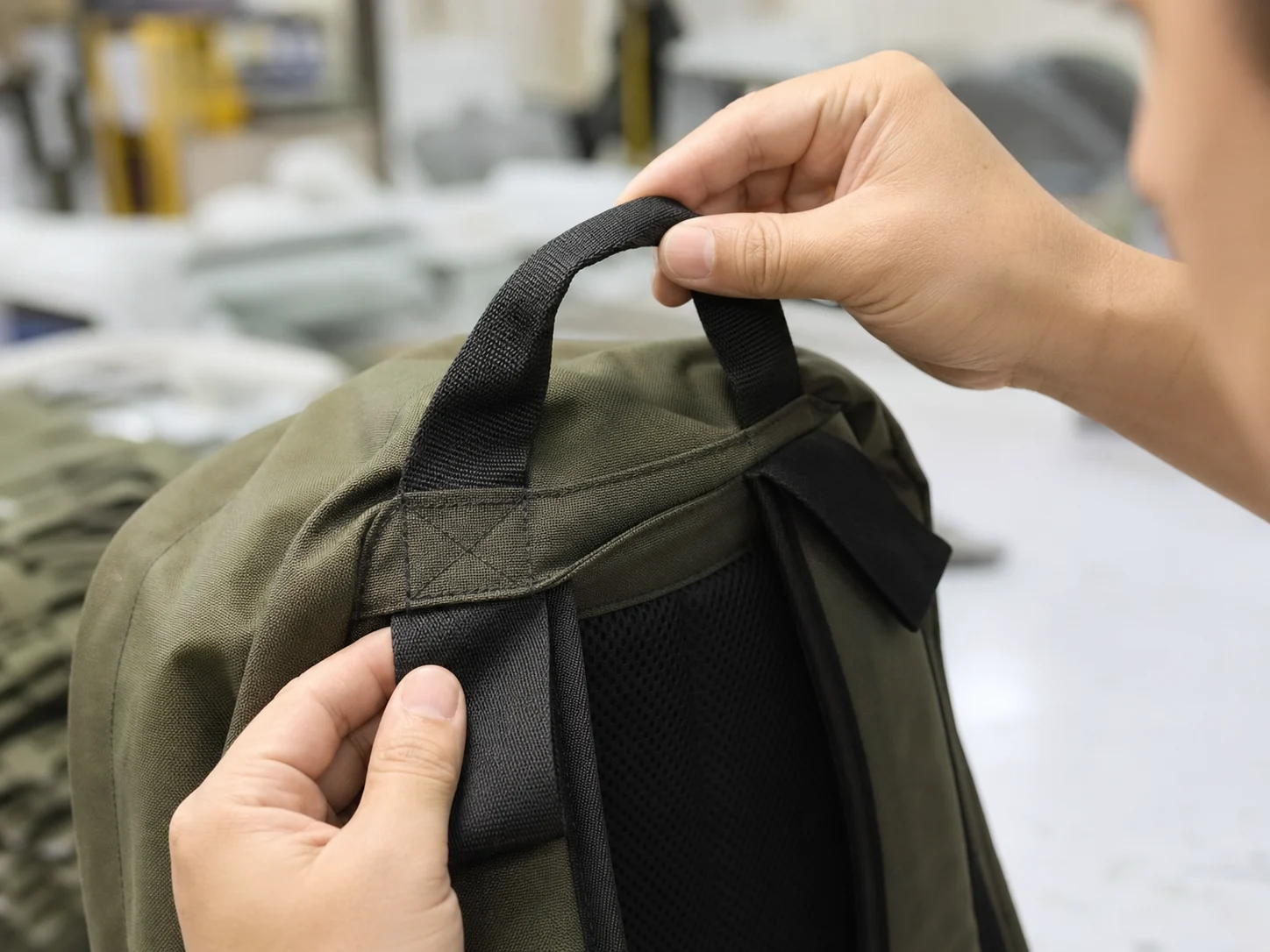
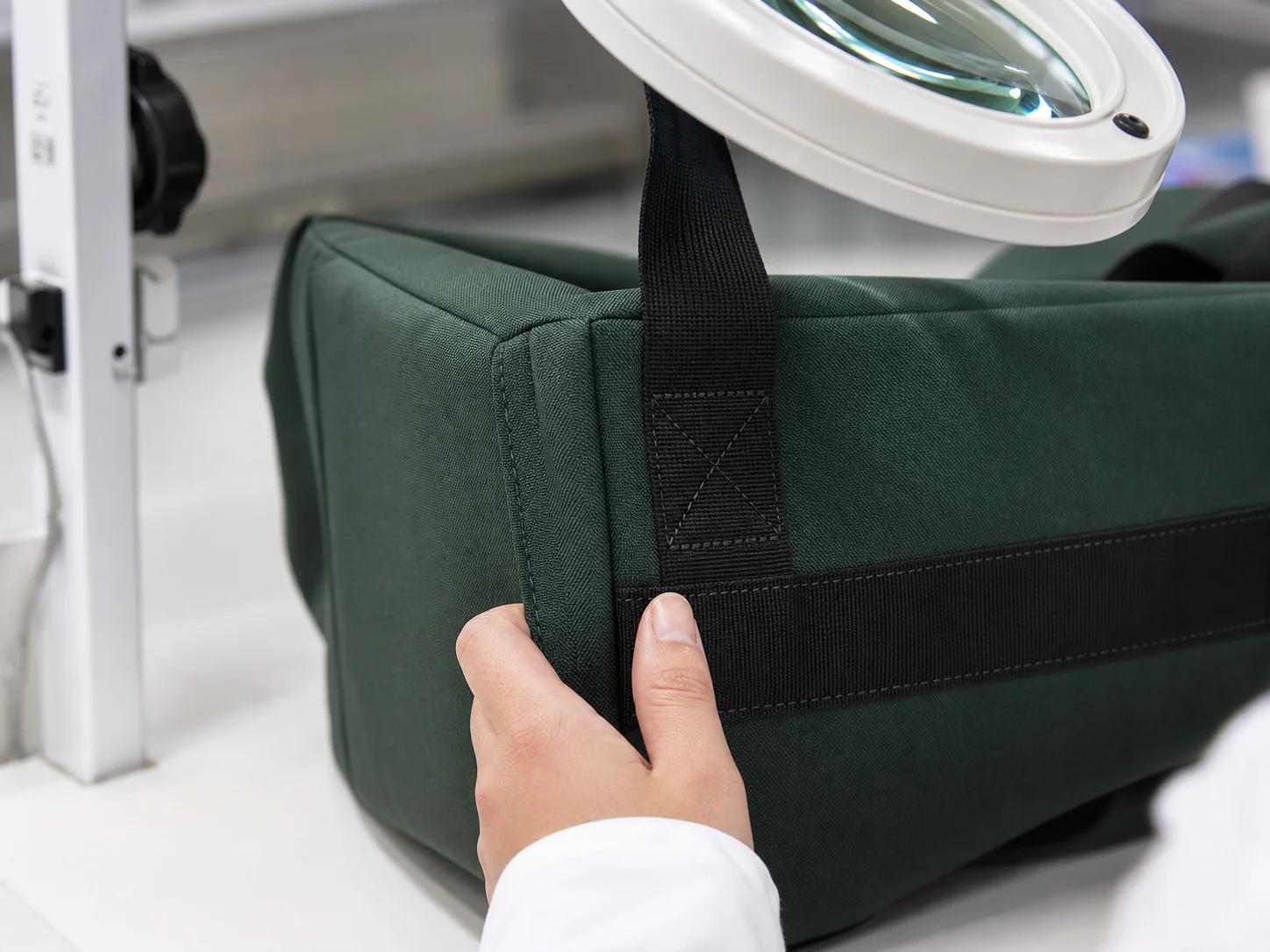
Handles, shoulder straps, hooks, bartacks and other load-bearing connections are reviewed at relevant stages.
Logo and Component Placement
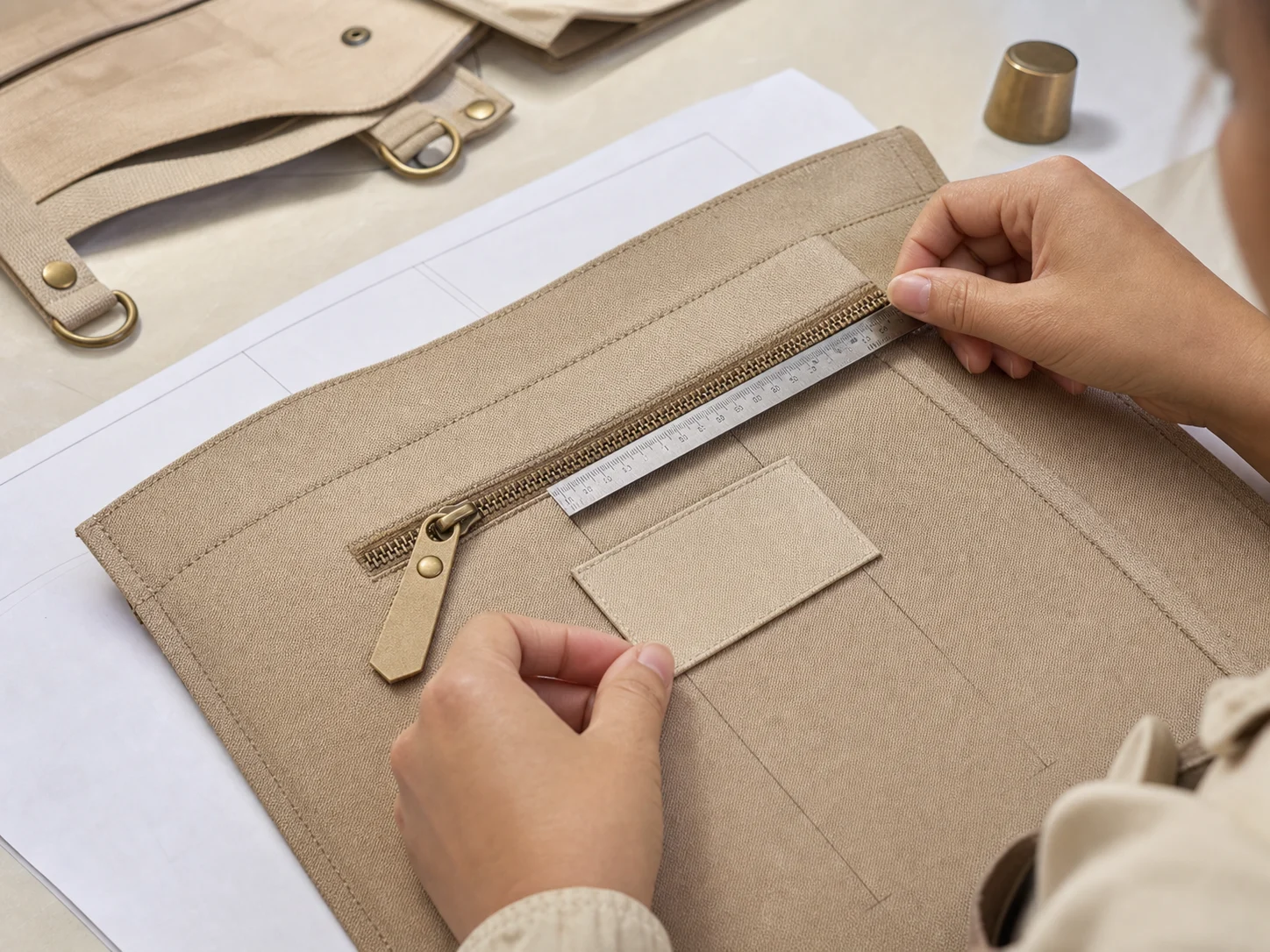
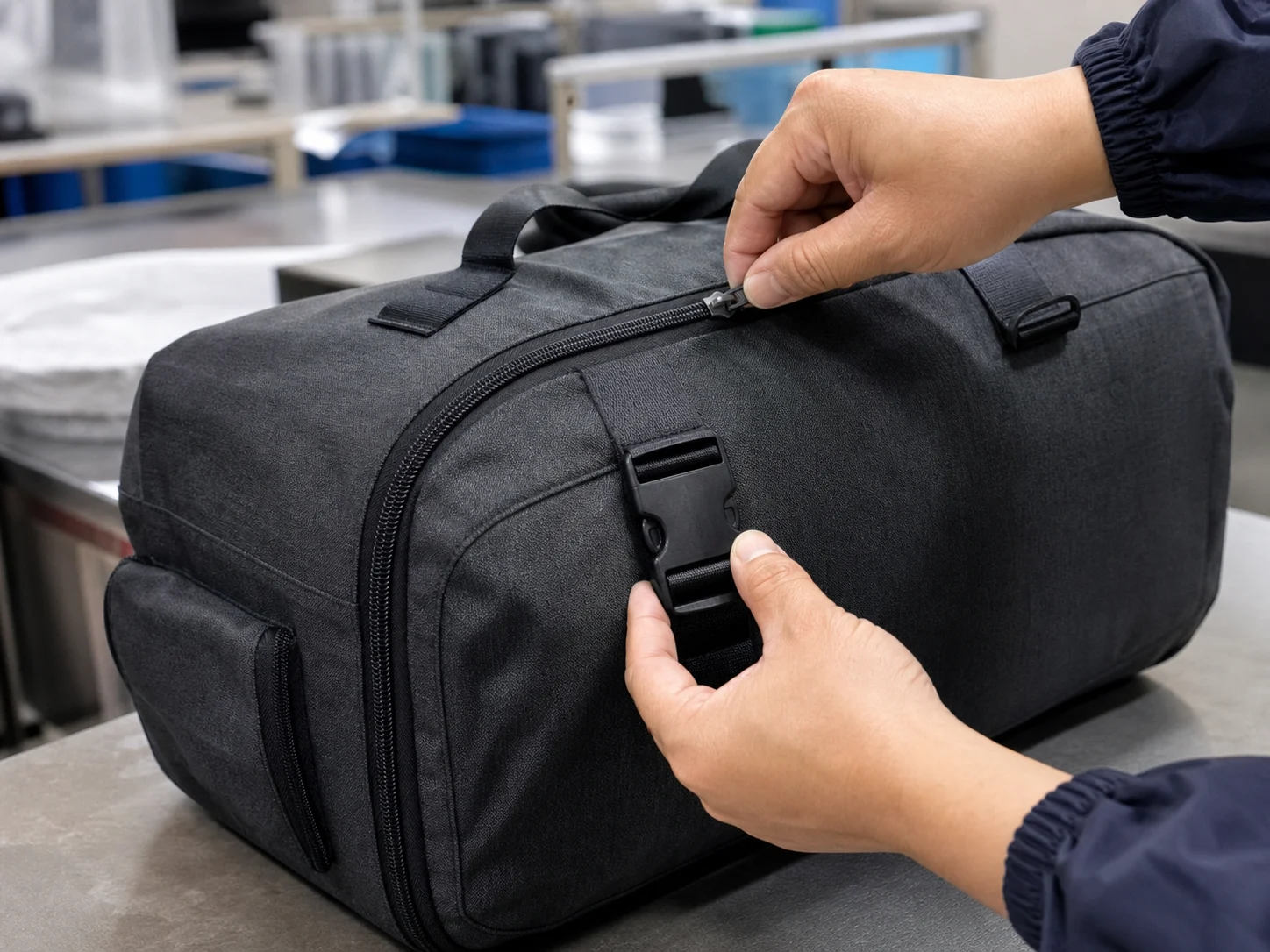
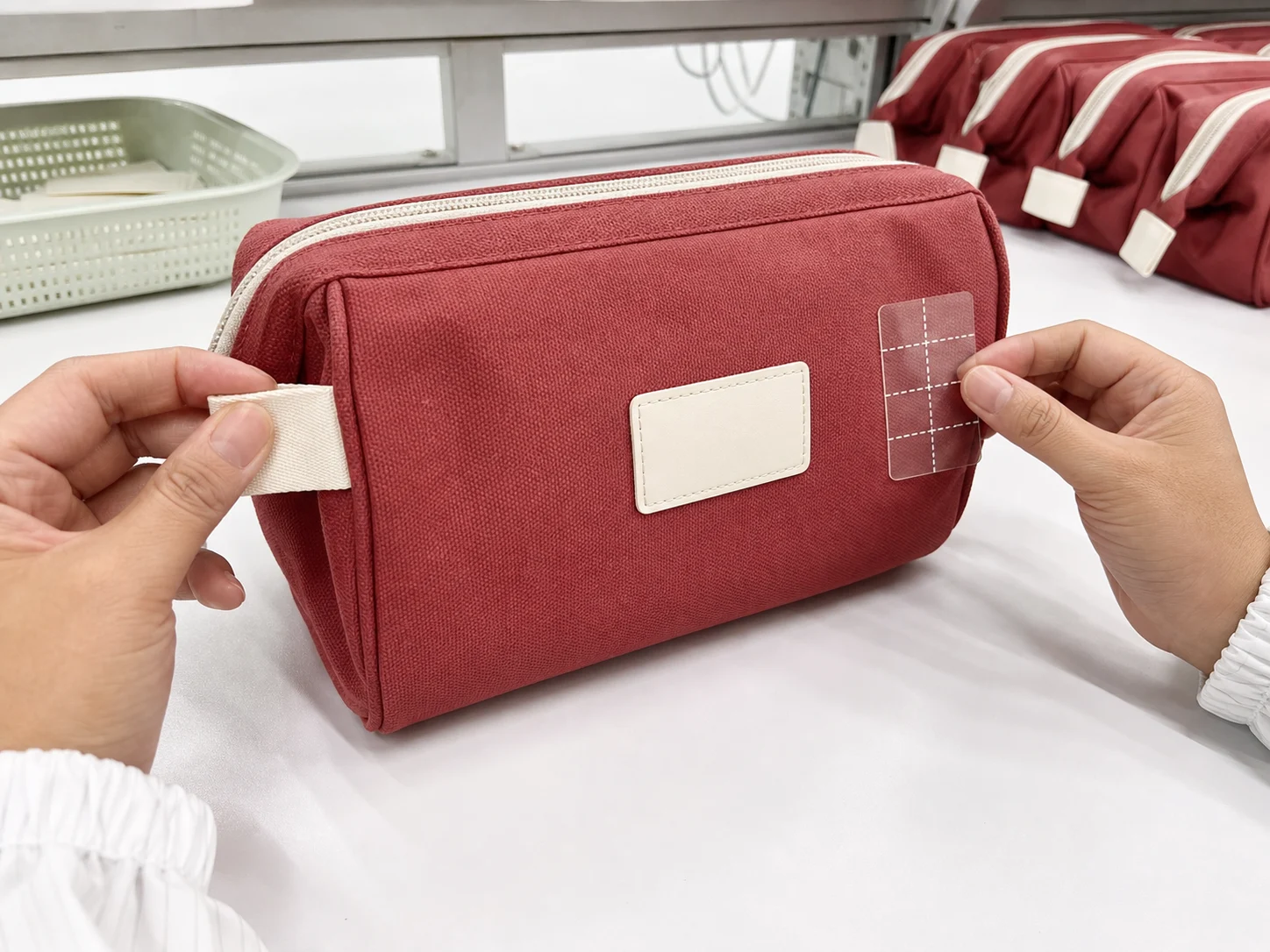
Logo position, zipper installation, buckles, labels and visible accessories are checked against the confirmed reference.
Finished Bag Inspection Against the Approved Requirements
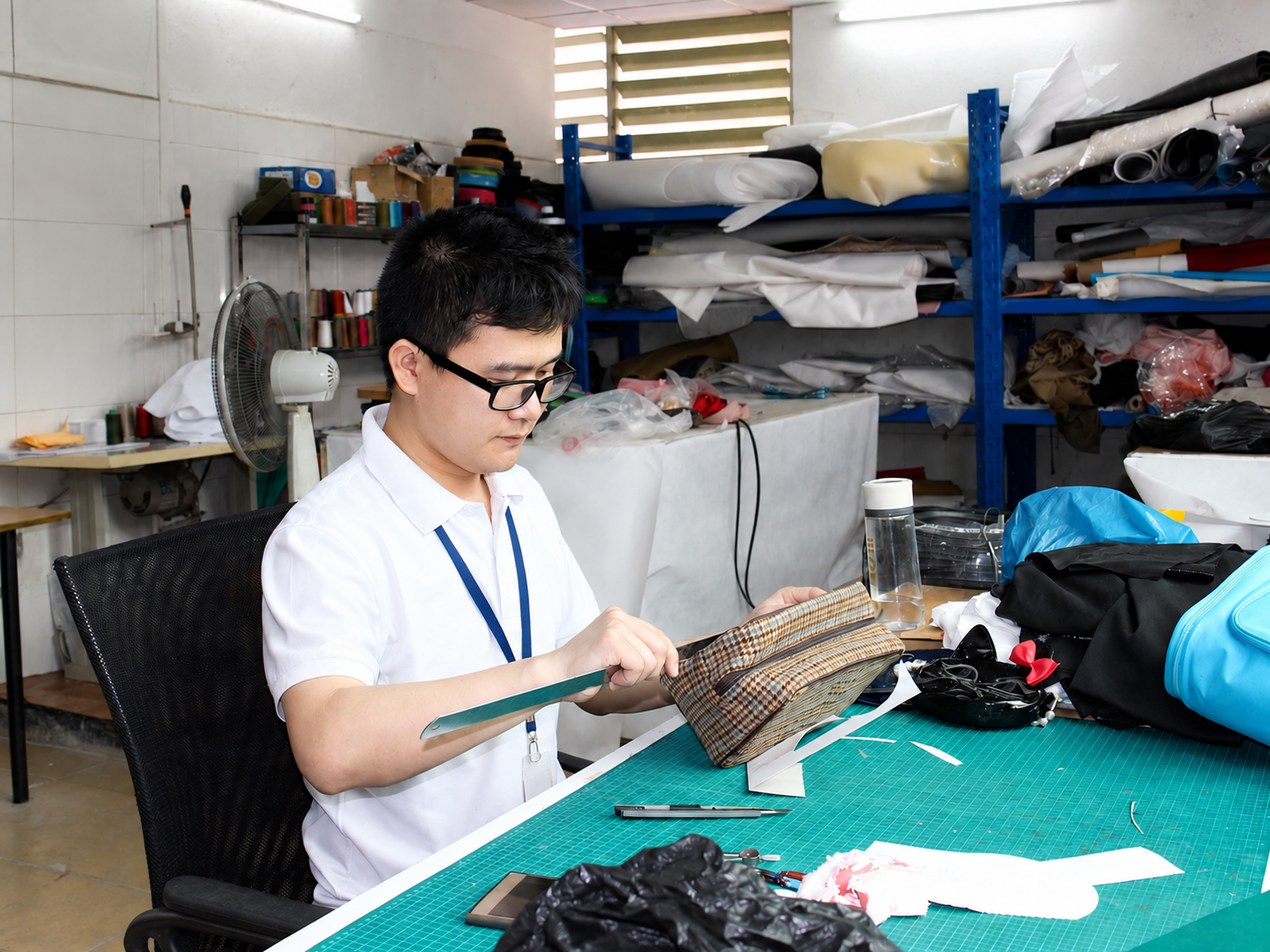
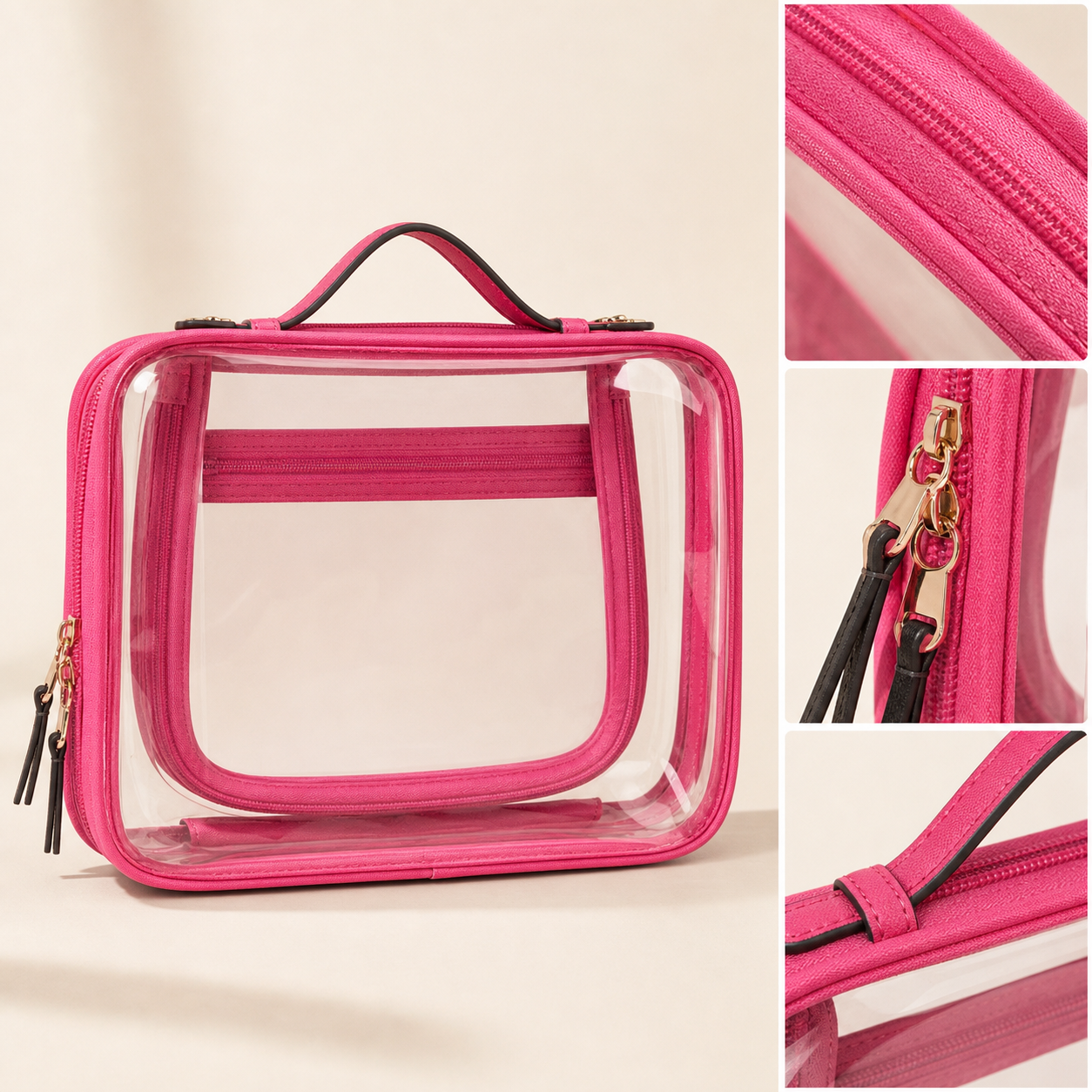
Finished bags are checked for the details that affect appearance, function, consistency and order accuracy. The inspection scope and acceptance criteria follow the approved sample and confirmed project requirements.
Appearance and Cleanliness
Surface condition, visible marks, loose threads, shape and finishing are reviewed.
Dimensions and Structure
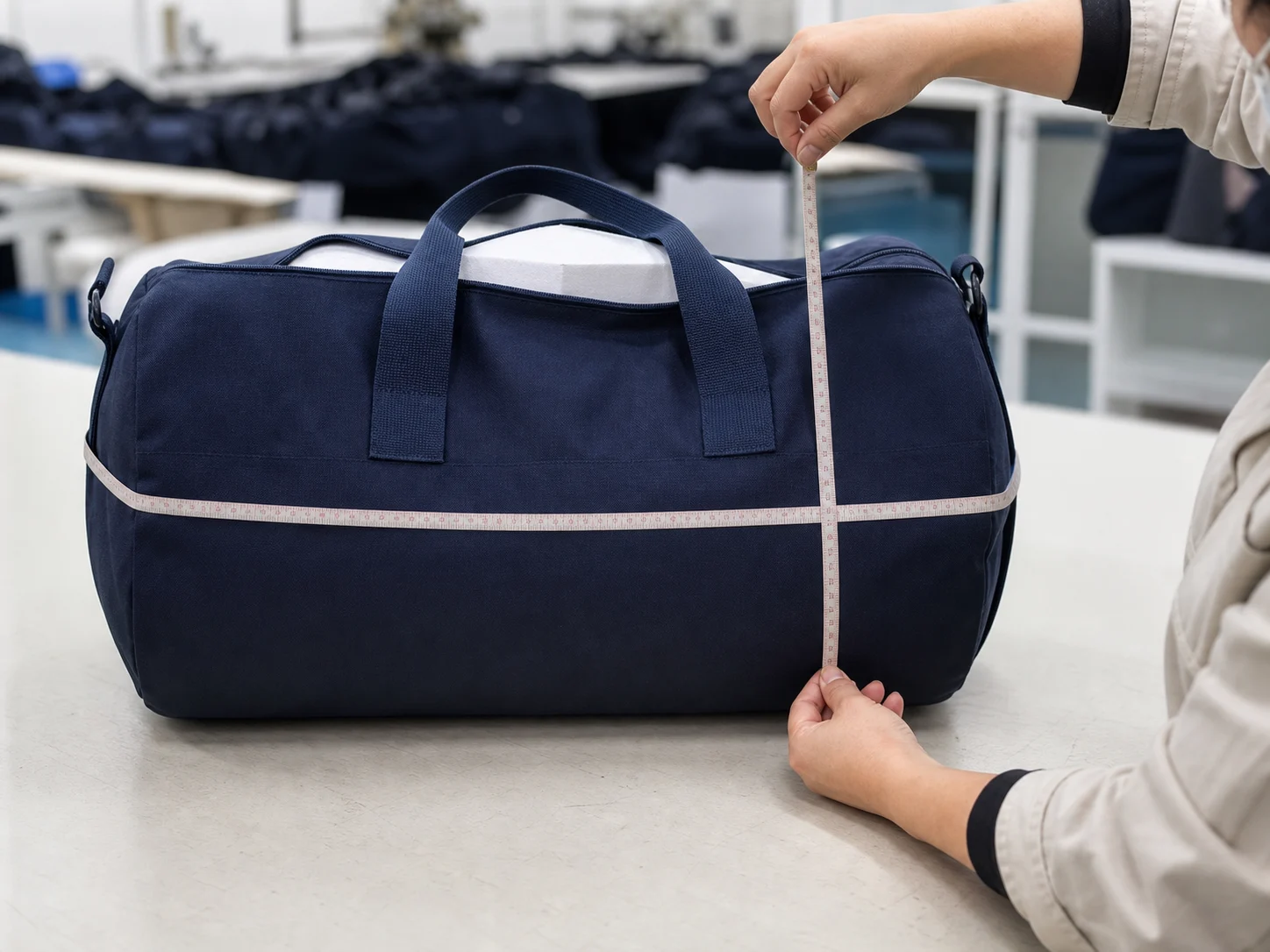
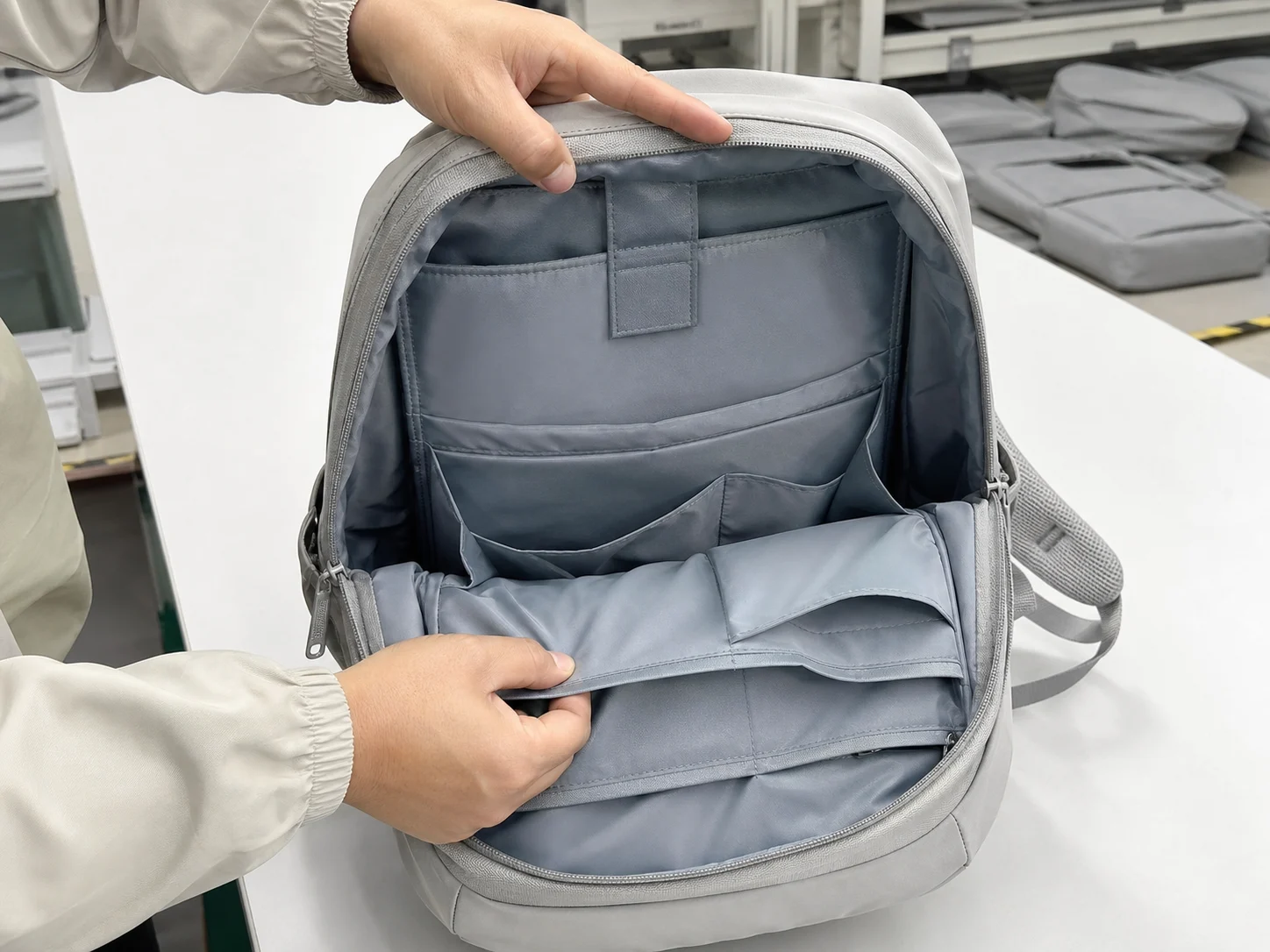
Overall dimensions, pockets, handle drop, strap length and key structural measurements are checked.
Stitching and Reinforcement
Seams, skipped stitches, bartacks, binding and load-bearing points are inspected.
Zippers and Hardware
Zipper movement, buckles, hooks, adjusters, D-rings and component attachment are checked.
Branding and Labels
Logo appearance, position, color, clarity, labels and hangtags are compared with confirmed information.
Function and Assembly
Openings, compartments, straps, closures and other confirmed functional details are operated and reviewed.
Product Testing Based on Bag Structure and Order Requirements
Testing requirements vary according to the bag structure, materials, intended use and confirmed order standard. Relevant test methods, sample quantities and acceptance criteria should be agreed before sampling or bulk production.
Testing may include: handle and strap load checks, seam and reinforcement checks, zipper and buckle operation, abrasion or colorfastness testing, water-resistance testing where applicable, and other product-specific functional checks.
Load-Bearing Connections
Handles, straps and reinforced stress points can be evaluated according to the confirmed product requirement.
Components and Function
Zippers, buckles, hooks and other functional components can be operated or tested according to the agreed method.
Dimensions and Weight
Defined measurement points and tolerances can be recorded according to the approved specification.
Packing Performance
Carton, assortment, barcode or packing-related checks can be added when required by the order.
How Quality Issues Are Isolated, Corrected and Rechecked
Materials or products that do not match the confirmed requirements are kept outside the approved production or packing flow until the issue has been assessed and the required follow-up is completed.
01
Identify and Record
The issue is checked against the approved sample, specification or packing requirement.
02
Isolate Affected Items
Affected materials or products are separated from approved goods.
03
Correct, Replace or Reproduce
The appropriate correction is arranged according to the actual issue.
04
Reinspect Before Release
Corrected products are checked again against the same confirmed standard.
Outgoing Quality Control Before Shipment Release
Finished products and packing details are reviewed against the confirmed order requirements before shipment release. The inspection method may include sampling, full inspection or third-party inspection according to the agreed project plan.
Product and SKU
Style, color, quantity and SKU allocation.
Labels and Barcodes
Hangtags, labels, barcodes and product identification.
Individual Packing
Packing method, accessories and unit presentation.
Cartons and Shipping Marks
Carton quantity, assortment, condition and confirmed marks.
Support for Project-Specific and Third-Party Inspection Requirements
Customer-provided inspection checkpoints, defined measurement points, agreed tolerances, special function checks and third-party inspection arrangements can be reviewed before production. The scope and inspection timing should be confirmed in advance.
Inspection Information Available for Order Review
Product inspection photos, measurement records, workmanship findings, packing verification and corrective-action follow-up can be prepared according to the agreed inspection plan and project requirements.
Yes. Full inspection can be discussed for selected projects when it is included in the confirmed inspection plan. The scope, checkpoints, timing and related cost should be agreed before production.
Measurement points and tolerances are reviewed according to the product structure, approved sample, specification and project requirements. They should be confirmed before bulk production.
Yes. Different styles, colors, logo versions or packing versions can require separate checkpoints. The SKU breakdown and critical differences should be identified in the order information.
Testing methods, sample quantities and acceptance criteria should be confirmed during sample development or before bulk production so materials, samples and timing can be prepared correctly.
Depending on the agreed inspection plan, records may include product photos, measurements, workmanship findings, quantity checks, packing details and follow-up verification.
The planned inspection window and scope should be discussed before the order is completed. This allows production status, samples, packed cartons and required documents to be prepared for the inspector.
Discuss Your Custom Bag Quality and Inspection Requirements
Share the bag type or reference sample, important dimensions and tolerances, functional or testing requirements, branding and packing details, and any inspection checklist or third-party inspection request.
Use the form to send your product information. Our team will review which quality-control points should be confirmed before sampling and bulk production.
Quality Control Inquiry
Use the form to send your product information and inspection requirements. Our team will review the quality-control points that should be confirmed before sampling and bulk production.
Get a Practical Bag Proposal From Annabelle Bag
Our team will review the project and help you define a workable direction before sampling and bulk production.
Product direction based on your target market and use case
Material, logo and accessory suggestions for your bag design
Quotation guidance based on structure, quantity and packing needs
Sample planning with standard development in about 7 working days
Bulk production planning with a typical lead time of 4–5 weeks
Free sample support may be available for qualified B2B projects. International courier and custom development conditions may apply.
Tell Us About Your Bag Project
Share your product idea, reference image or purchasing requirements.Basic information is enough to begin. Add your bag category, reference image, estimated quantity or customization details if available.