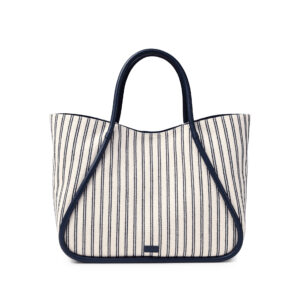
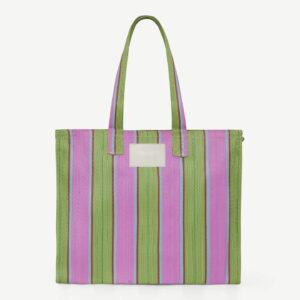
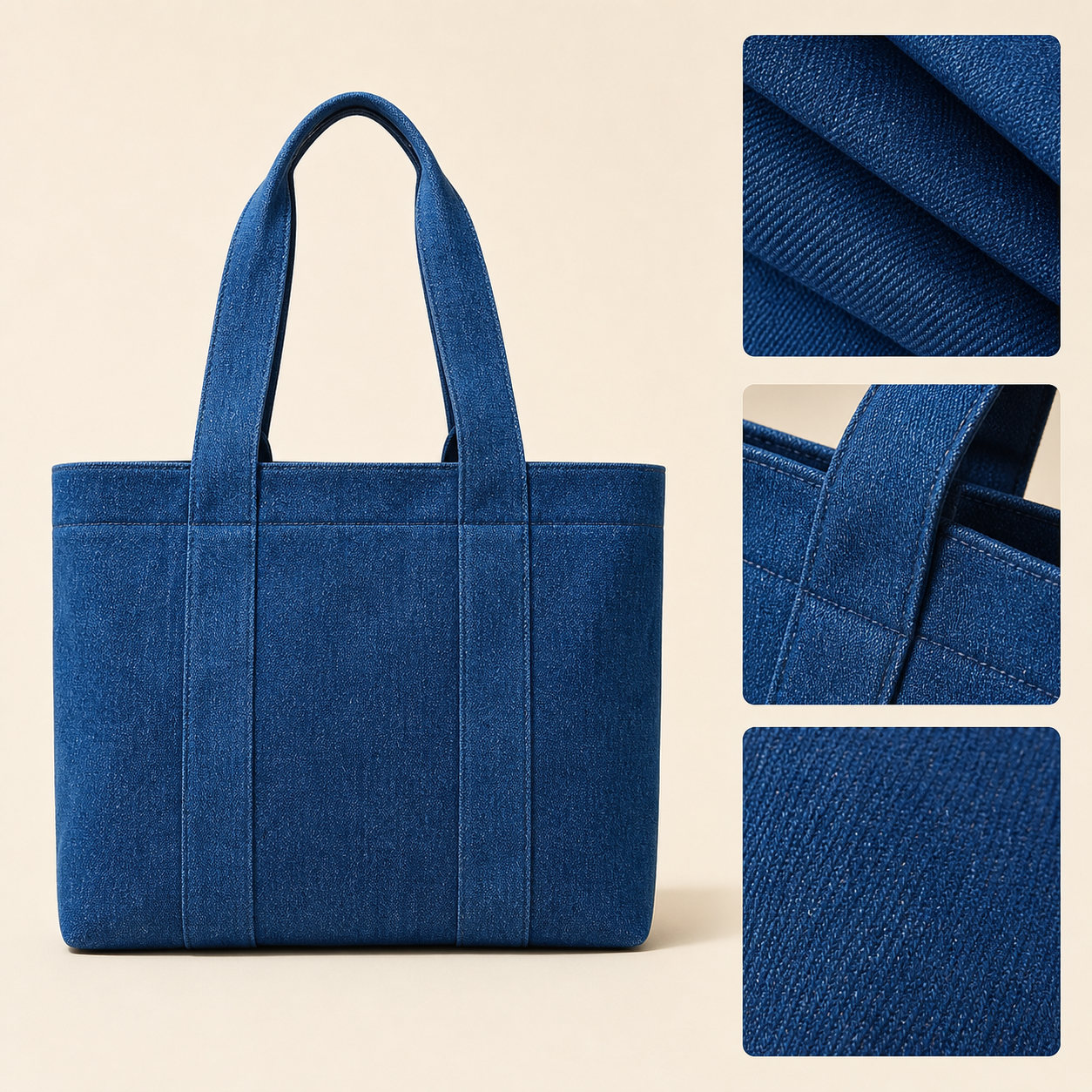
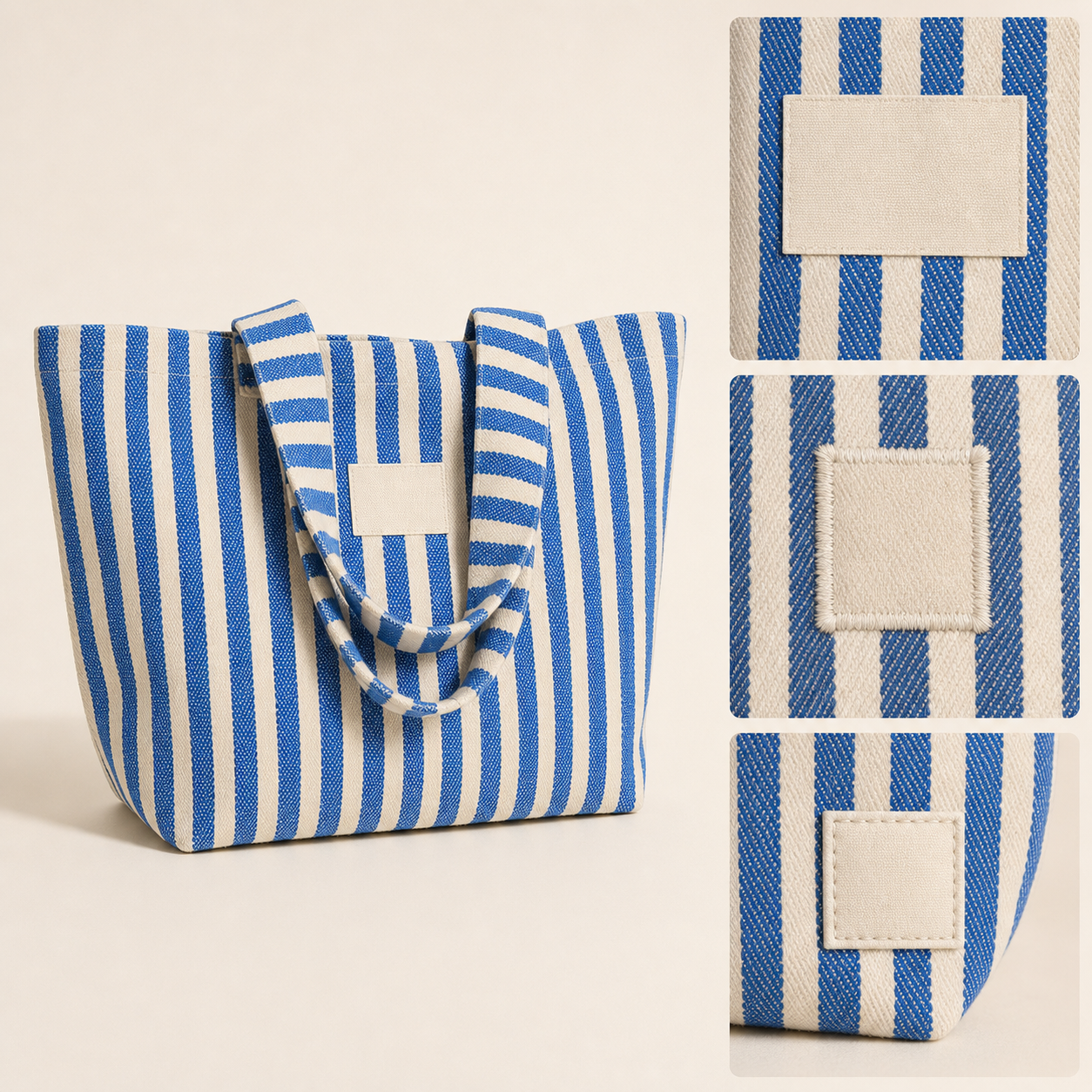
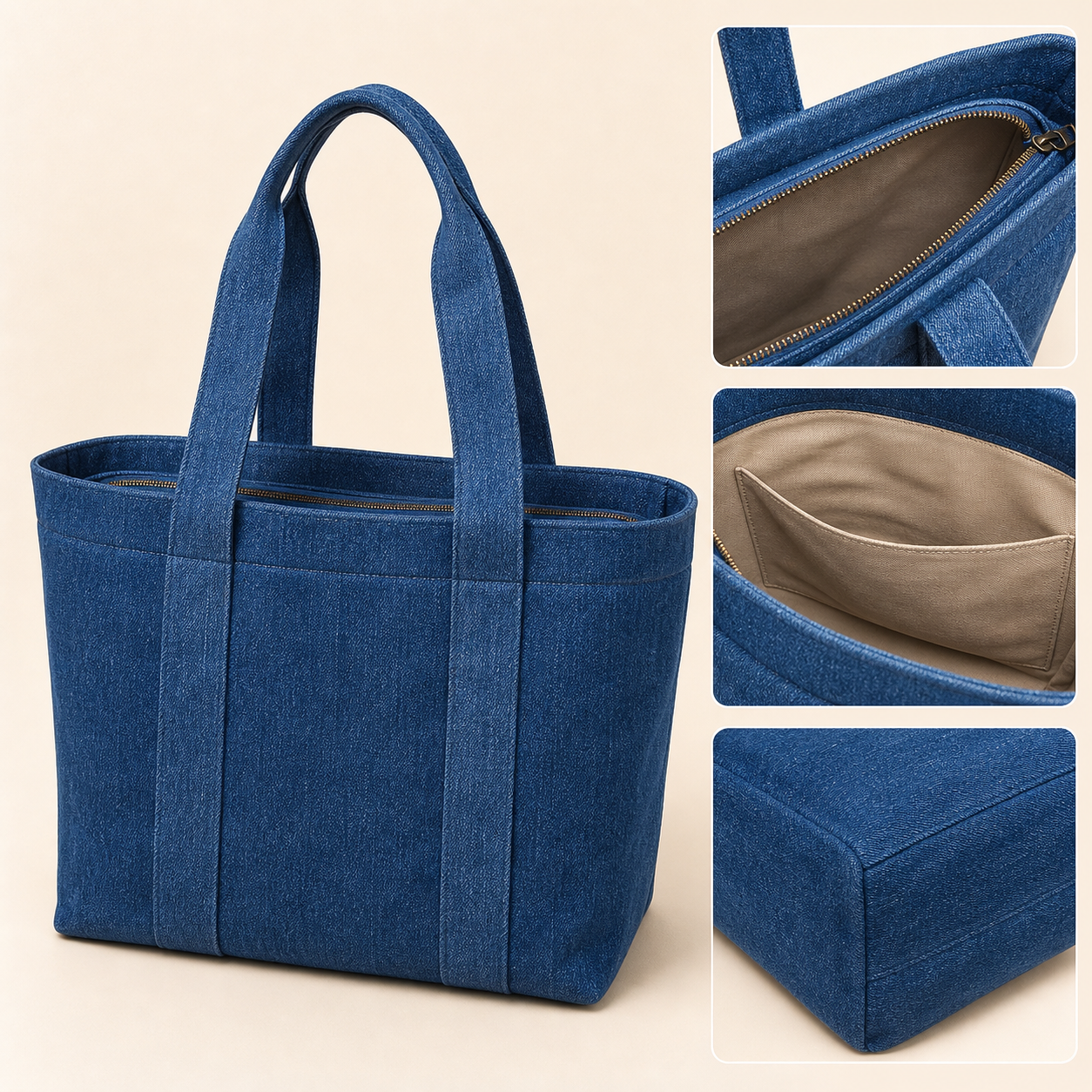
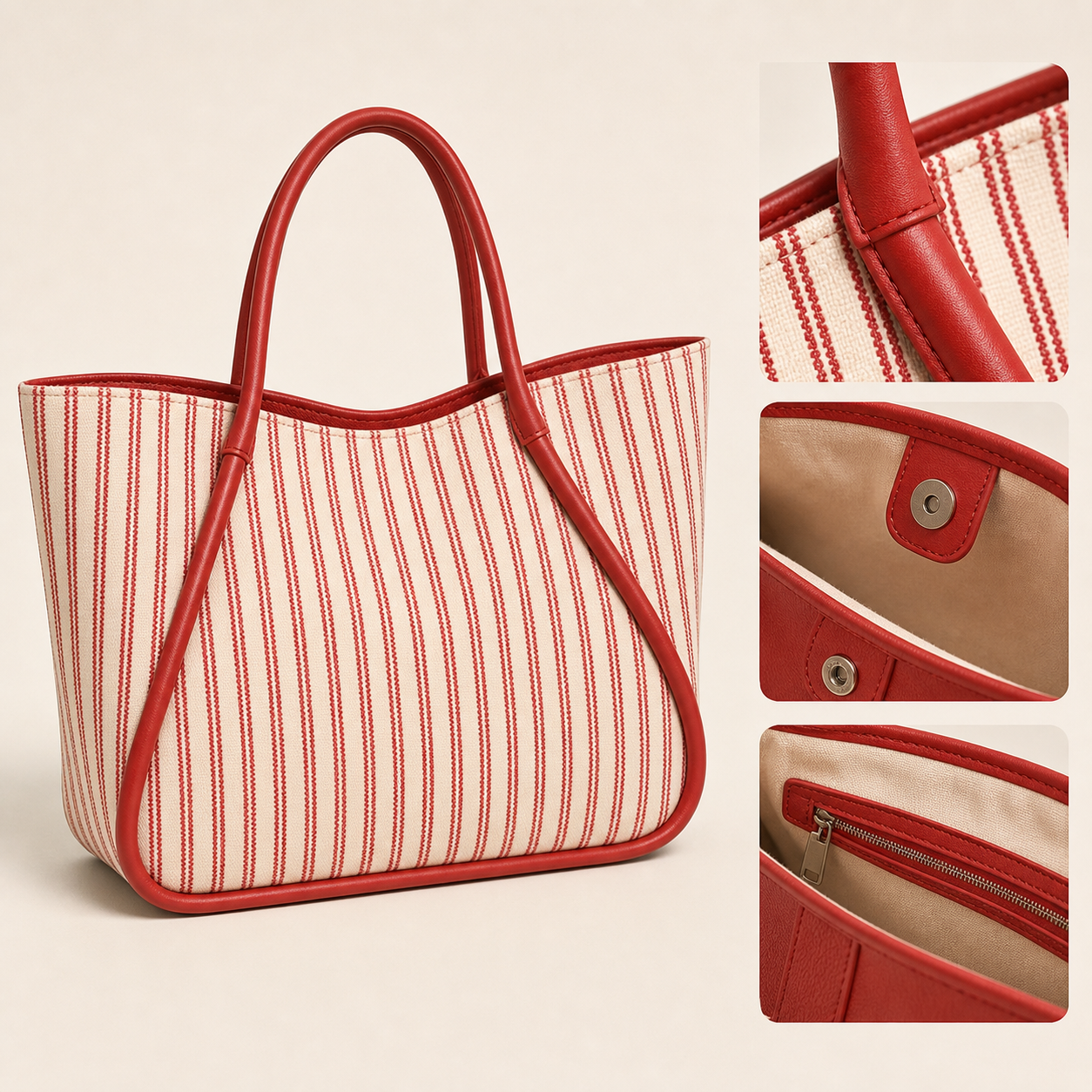
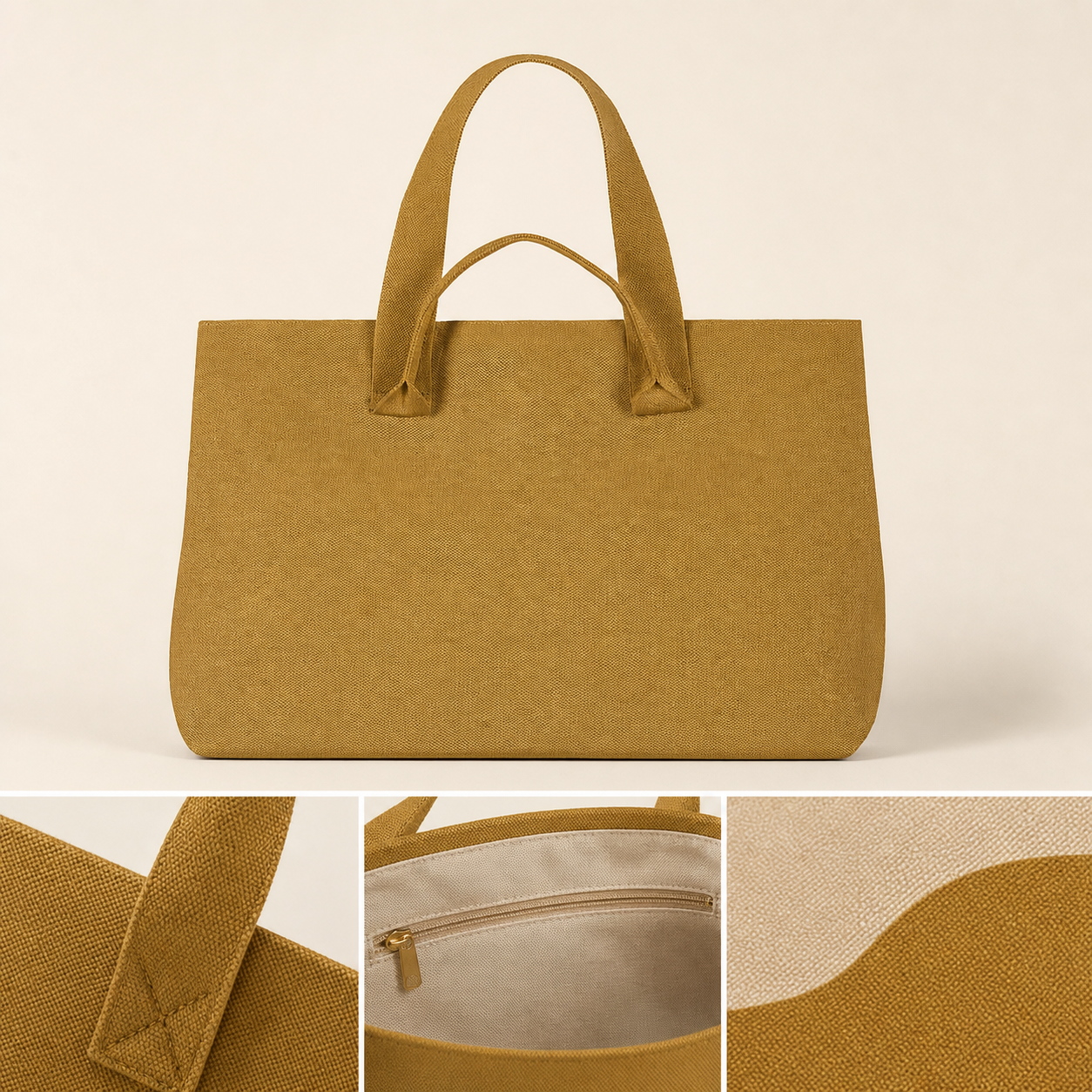
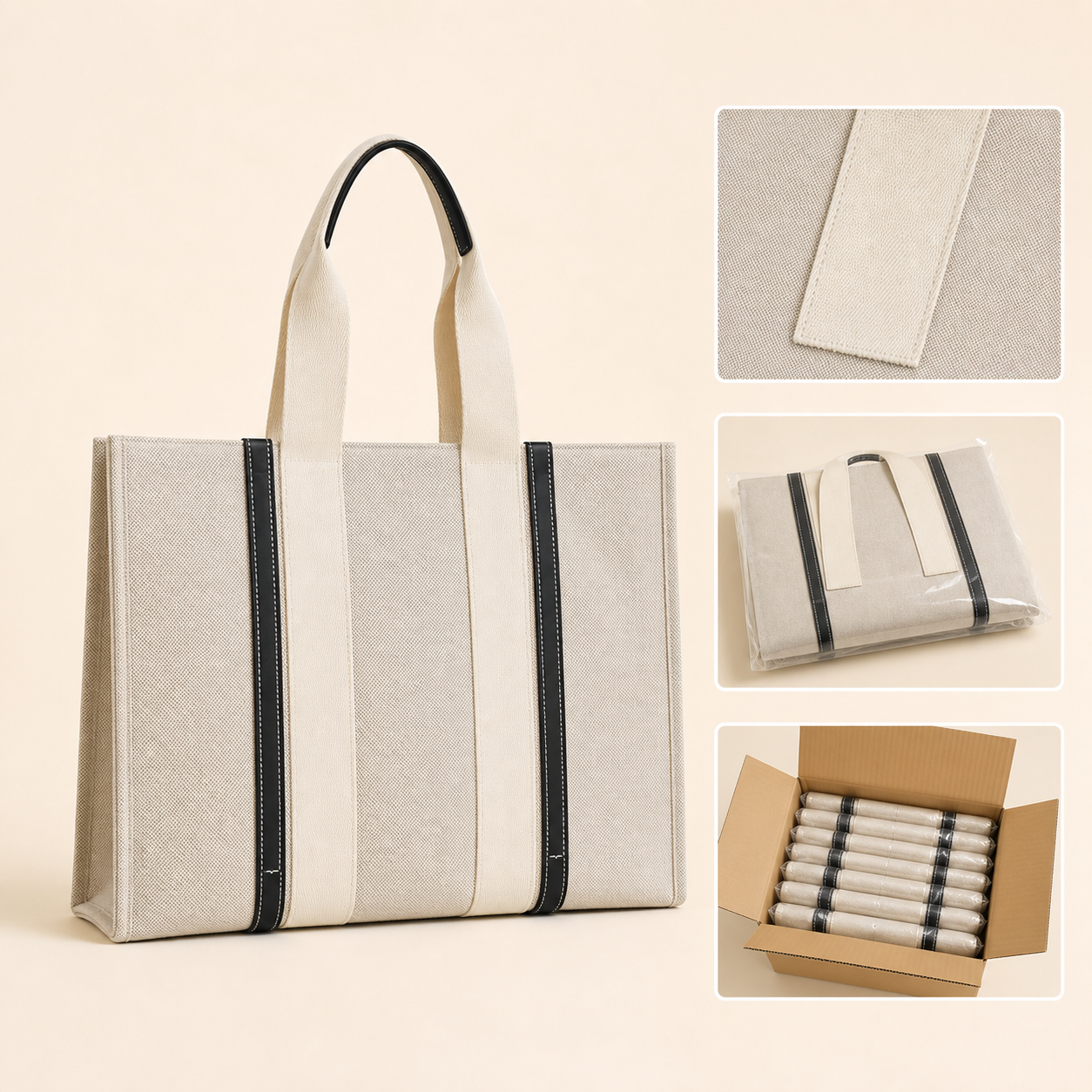
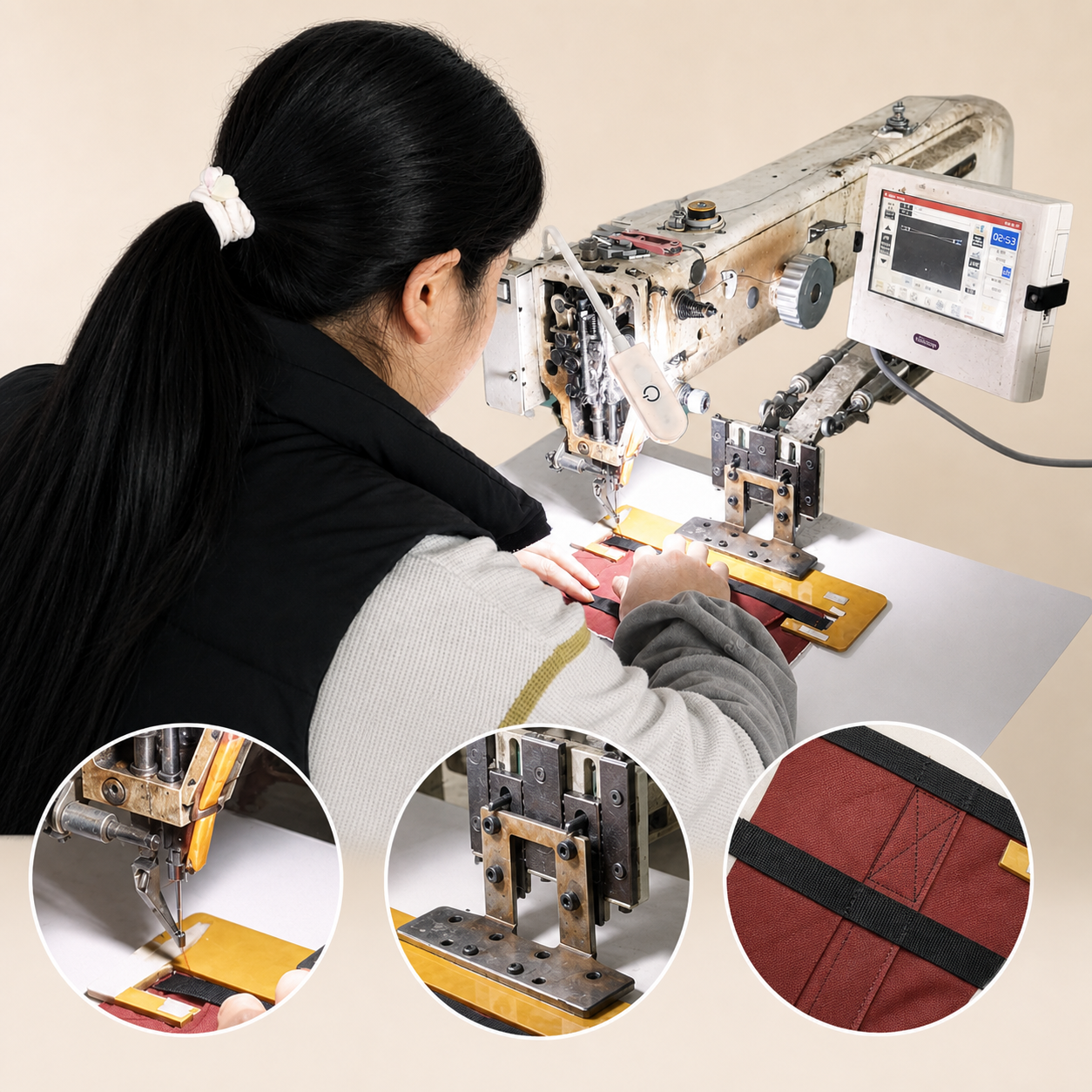
Size and appearance do not show the full specification. Fabric composition and weight, lining, pocket construction, handle reinforcement, decoration and packaging all affect the work and materials involved. To compare quotations, use the same specification and ask suppliers to identify any proposed alternatives.
Yes. A physical reference is particularly useful for reviewing texture, thickness, construction and finishing. Photos can help start the discussion, but they may not establish the exact material. We can discuss suitable options; any required composition or performance verification should be agreed separately.
This depends on the pattern, material and construction. Separate panels and sewing tolerances can affect alignment. Mark the areas where continuity is important so we can assess feasibility, explain limitations and agree on a sample reference before production.
We can review versions based on a shared design, with changes such as fabric, lining, internal features, decoration or packaging. Tell us which elements must remain consistent across the range. Each version needs its own clear specification and quotation.
Provide the intended decoration method, artwork area and any process requirements from your printer. Fabric texture, coatings, seams and pocket placement may affect the result. We recommend having your decorator evaluate a sample before the bulk specification is finalized.
State the intended washing method during development. The fabric, decoration, lining and trims need to be considered together, including possible changes in size, color and shape. Testing and care instructions should be based on the agreed construction rather than a general claim about the outer fabric.
Use approved physical references and identify which characteristics are important to the product. Natural-looking fabrics, textured materials and separate dye batches may show variation. We discuss the required consistency and any proposed material change before production proceeds.
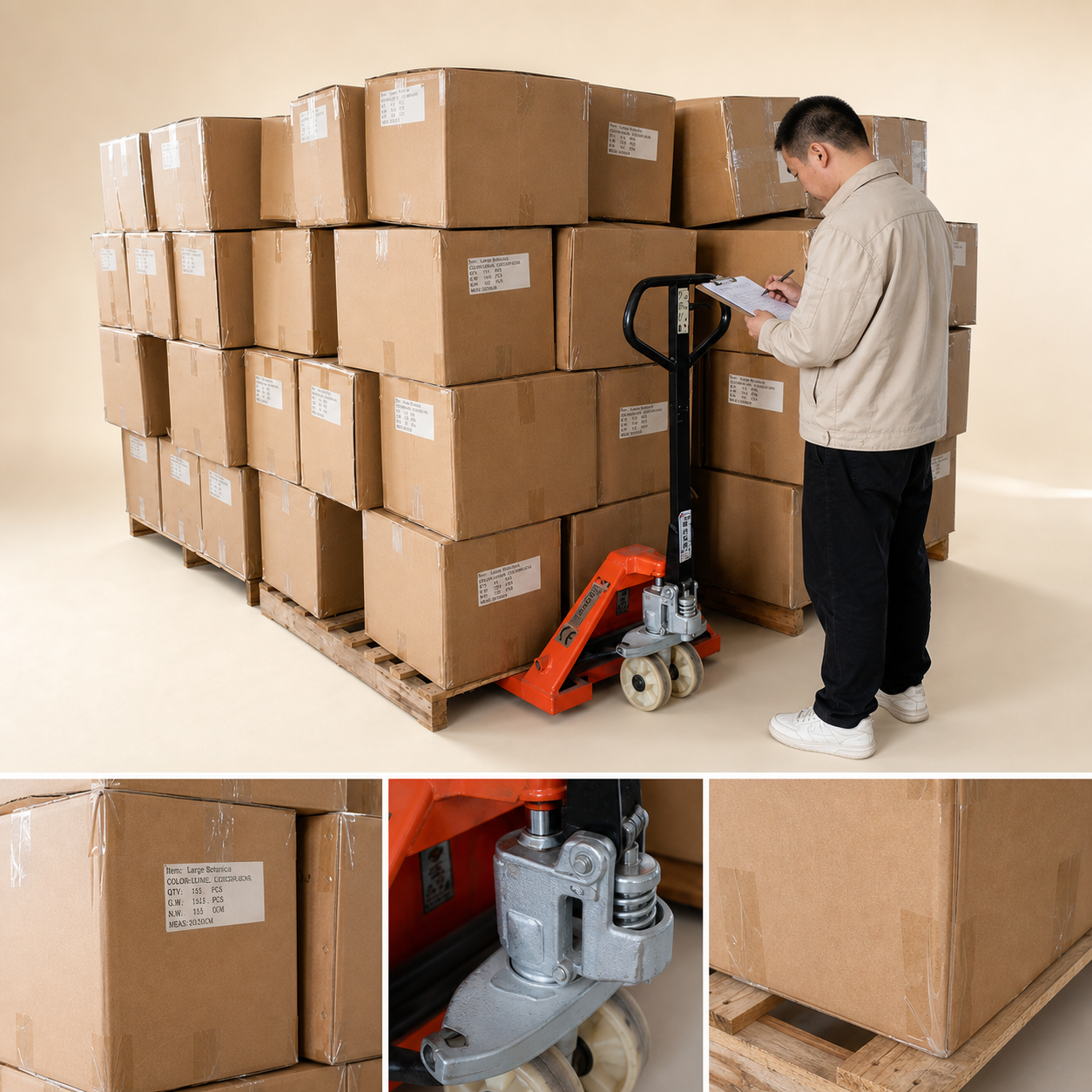
Yes. Structured sections, coated surfaces and decorated panels can respond differently to folding and compression. Tell us how the bag will be displayed or used after unpacking. Where appearance is critical, the packing method can be reviewed with a packed sample before final approval.