Custom Bag Manufacturing Process from Idea to Shipment
Annabelle Bag turns a reference photo, existing sample or product brief into a production-ready custom bag order. Each step confirms the details that affect appearance, function, target cost, bulk consistency, retail packing and export delivery.
Typical sample development after details are confirmed
4–5 Weeks
Typical bulk production after sample approval and material readiness
Flexible Orders
Order quantity discussed by product and project requirements
What to Send Before We Start
A complete specification is helpful, but it is not required. Annabelle Bag can begin with a reference photo, an existing bag, a sketch or a basic buying brief. The purpose of the first review is to identify missing decisions and organize them into a workable sample plan.
Best starting information:
Bag type, intended use and target market
Reference photo, tech pack, sample or preferred dimensions
Estimated order quantity and color breakdown
Logo artwork, size and preferred placement
Target cost, quality level and required delivery timing
Retail packing, barcode, carton mark or shipping requirements
Start from a photo, existing style, sample or basic concept. We identify the construction and customizable areas before quotation or sampling.
Target-Cost Direction
Material weight, structure, logo method, accessories, packing and order quantity are reviewed together—not as separate price items.
Confirmation List
Open questions are converted into a clear list so the buyer and factory know what must be decided before the sample is approved.
Choose the Bag Type You Want to Develop
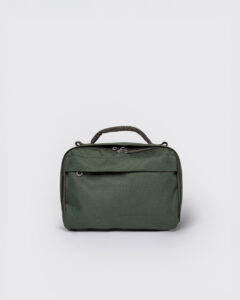
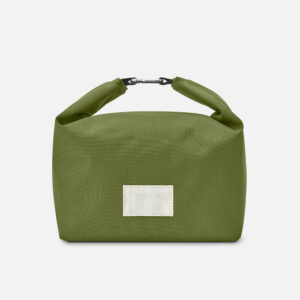
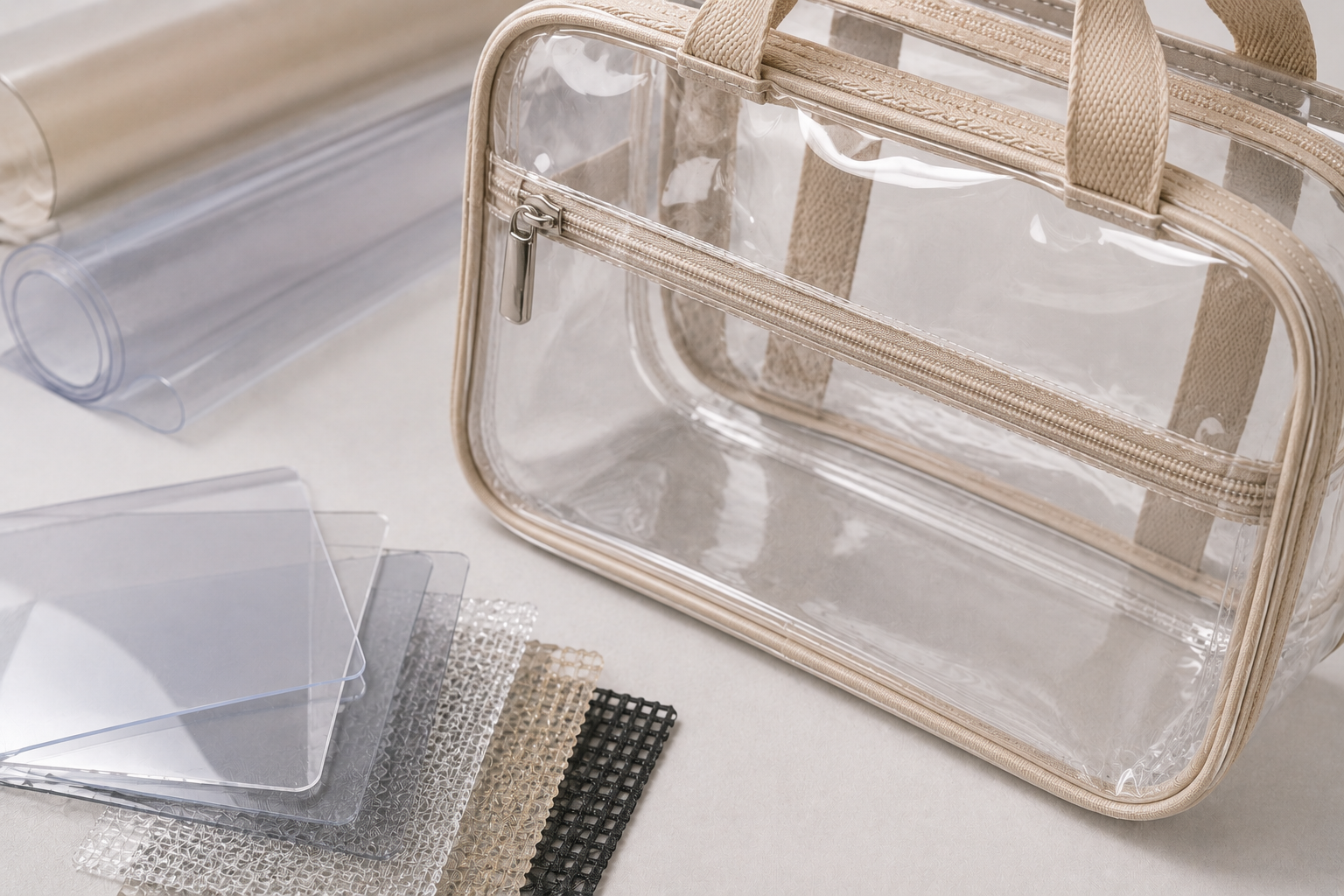
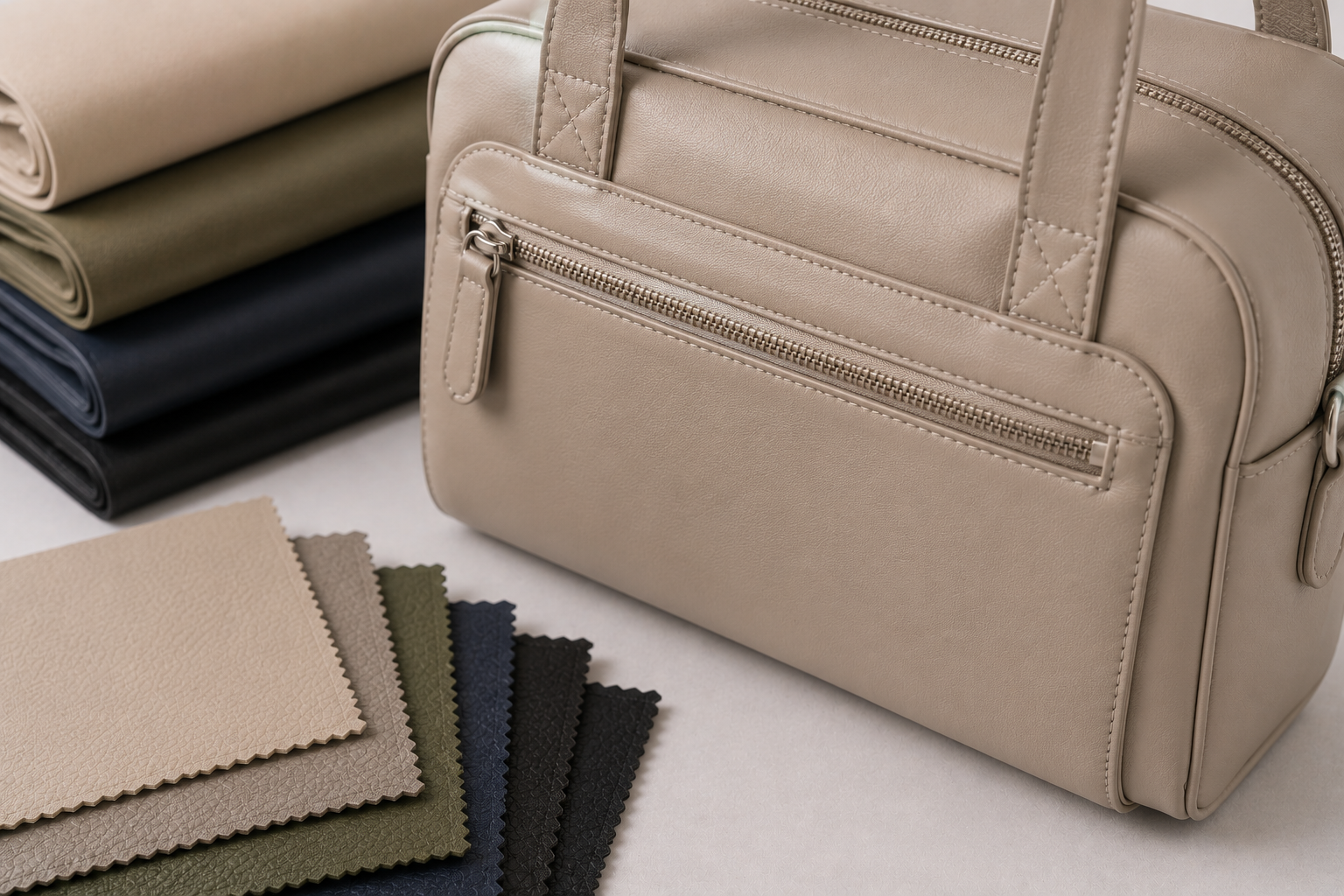
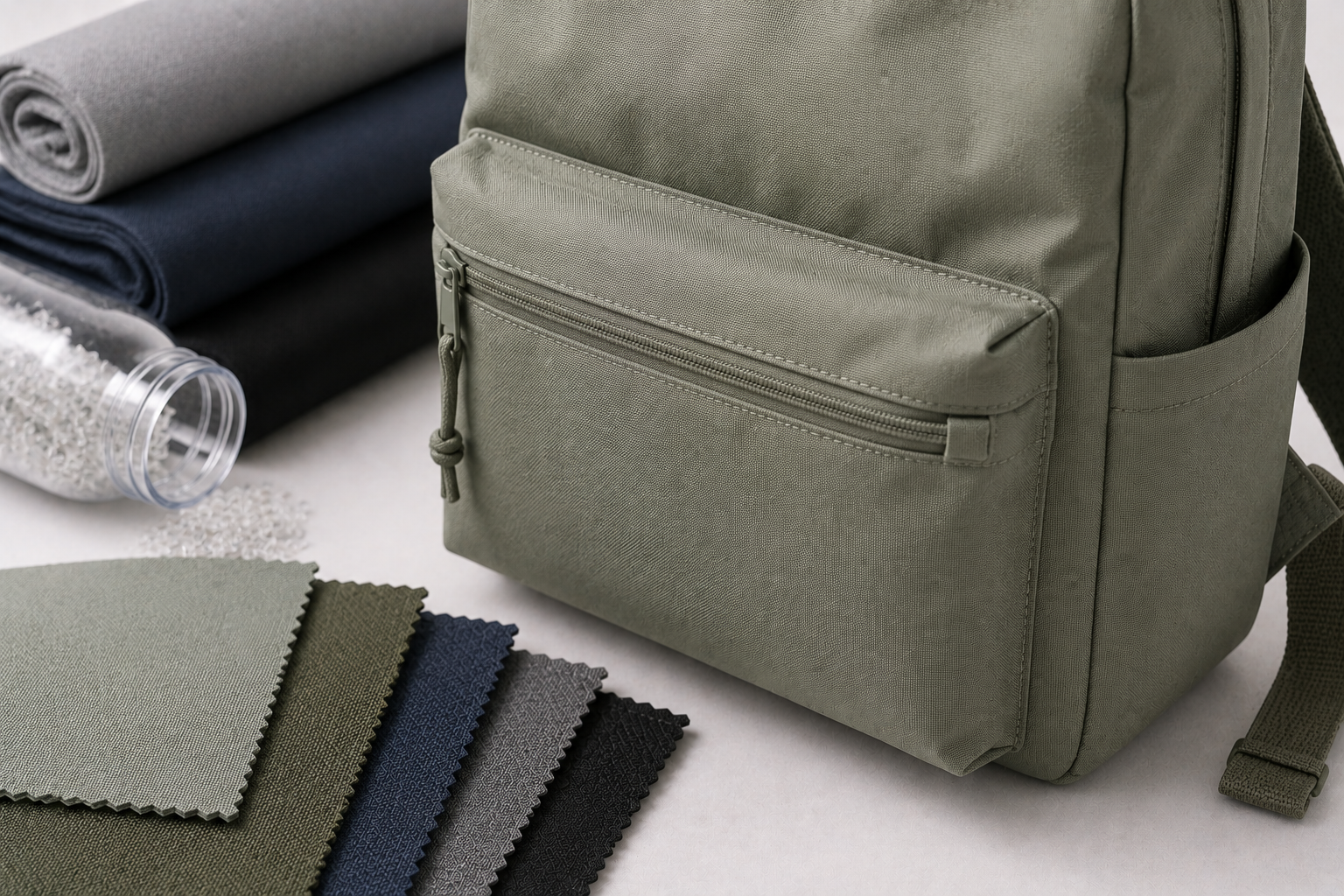
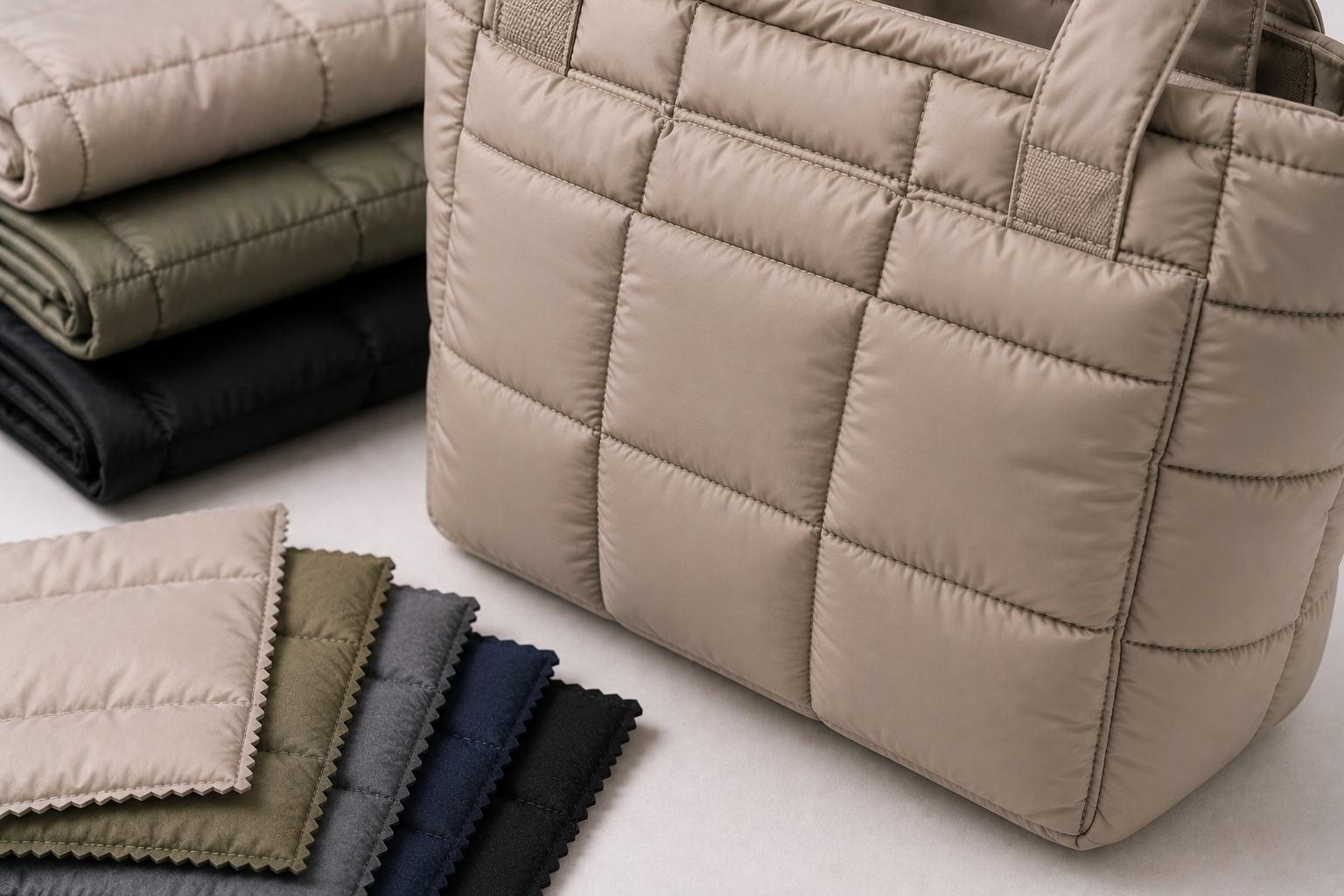
Each category follows the same project-control logic, but materials, construction, testing points and production planning vary by bag type. Select a category to review the available products before sending your requirement.
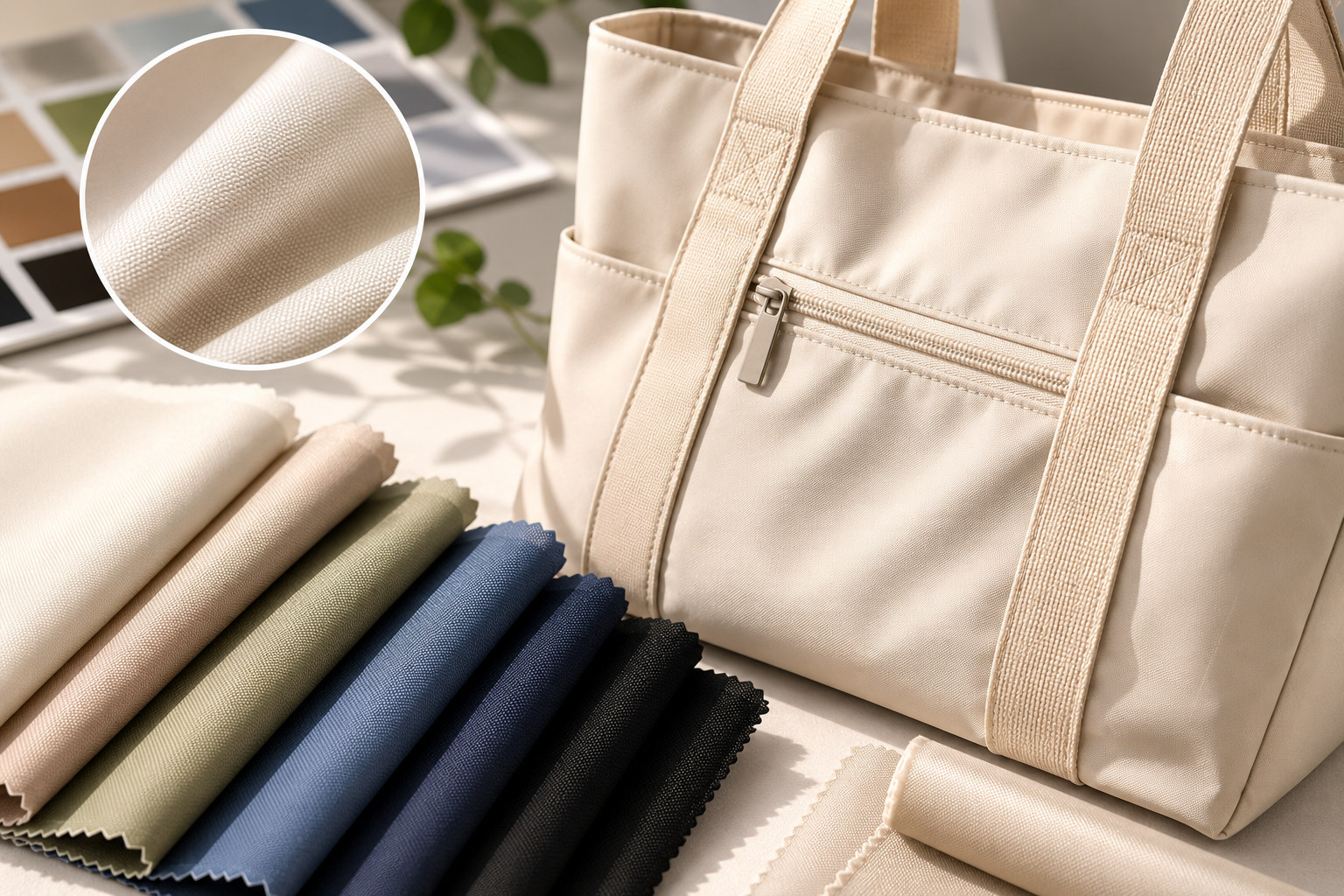
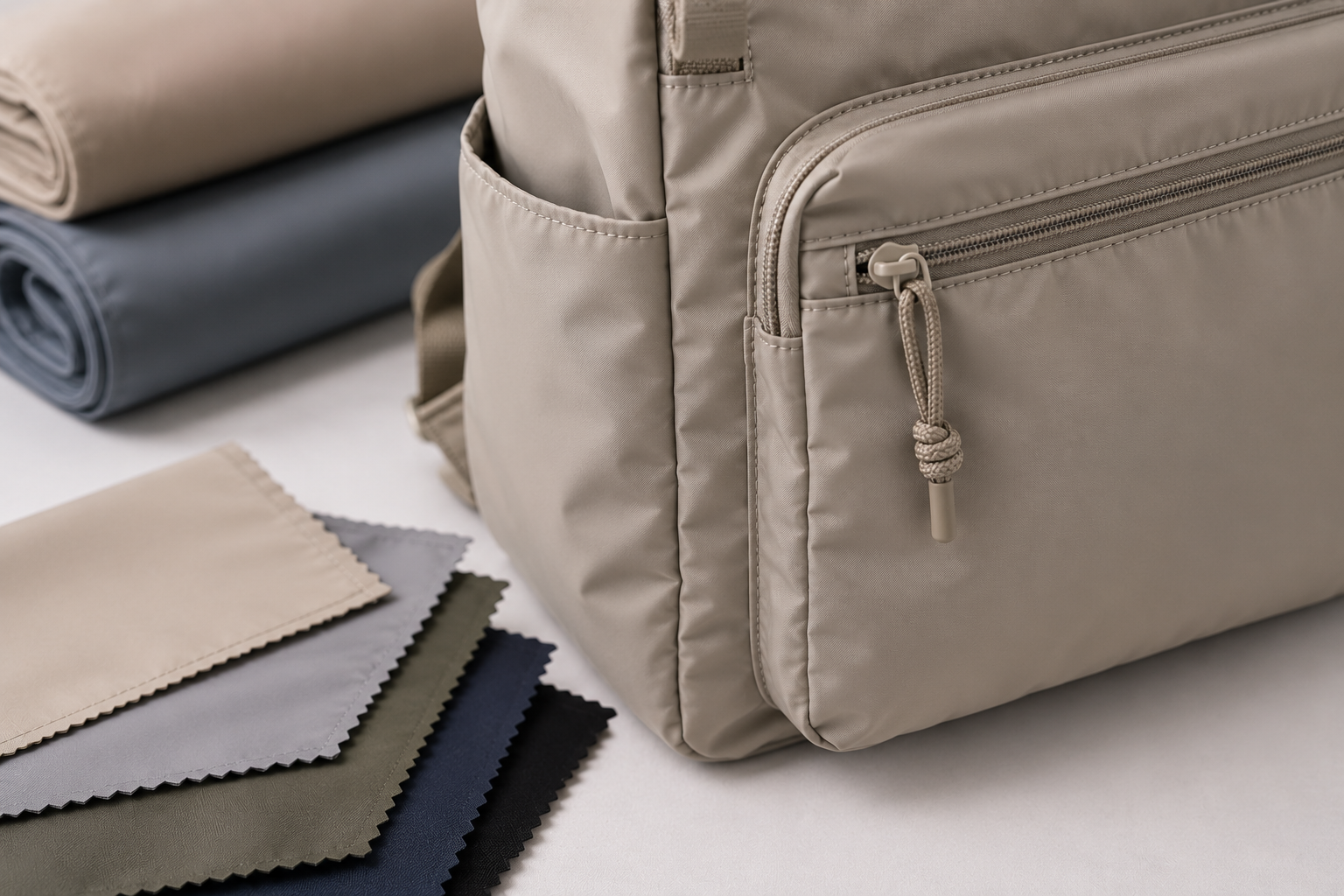
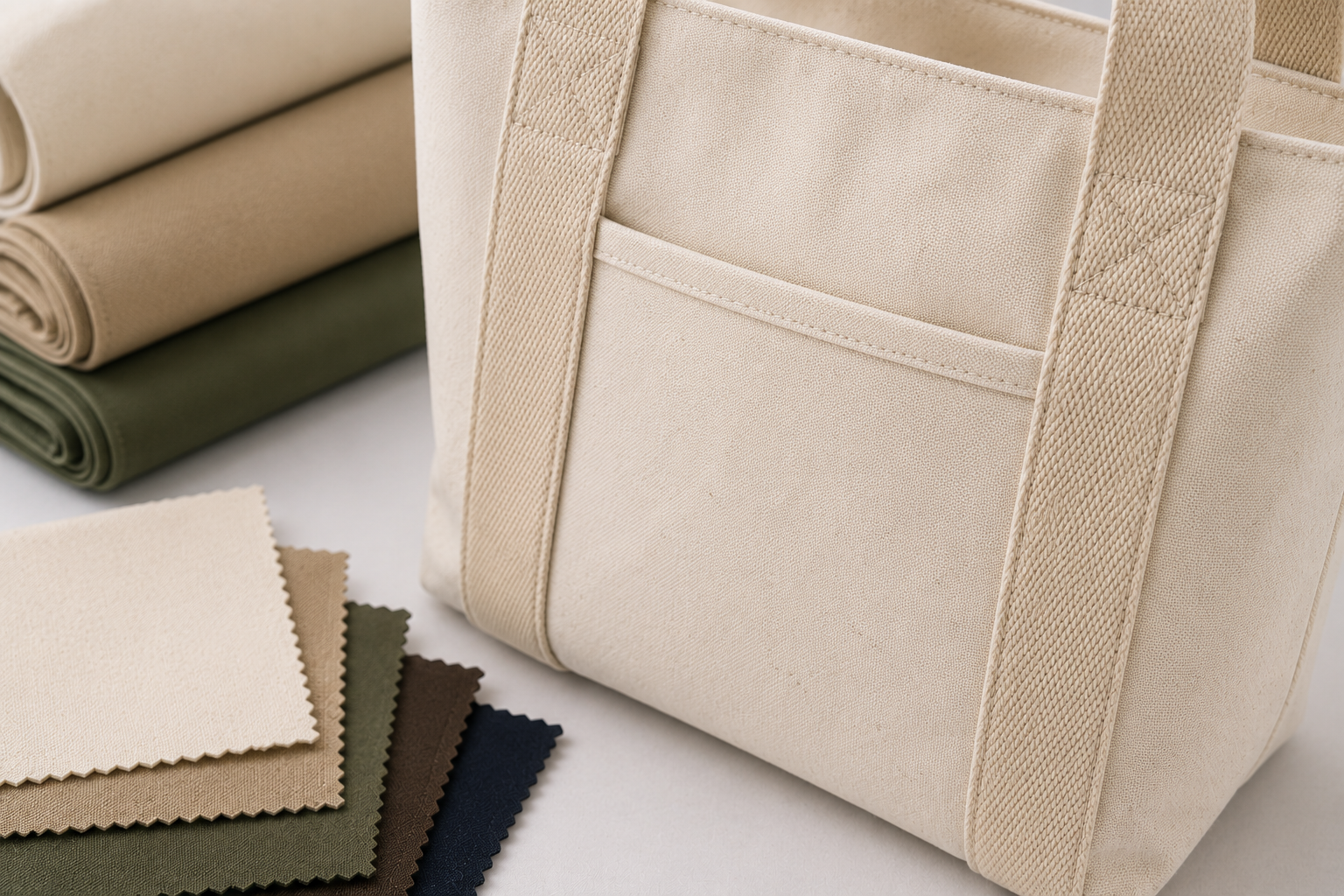
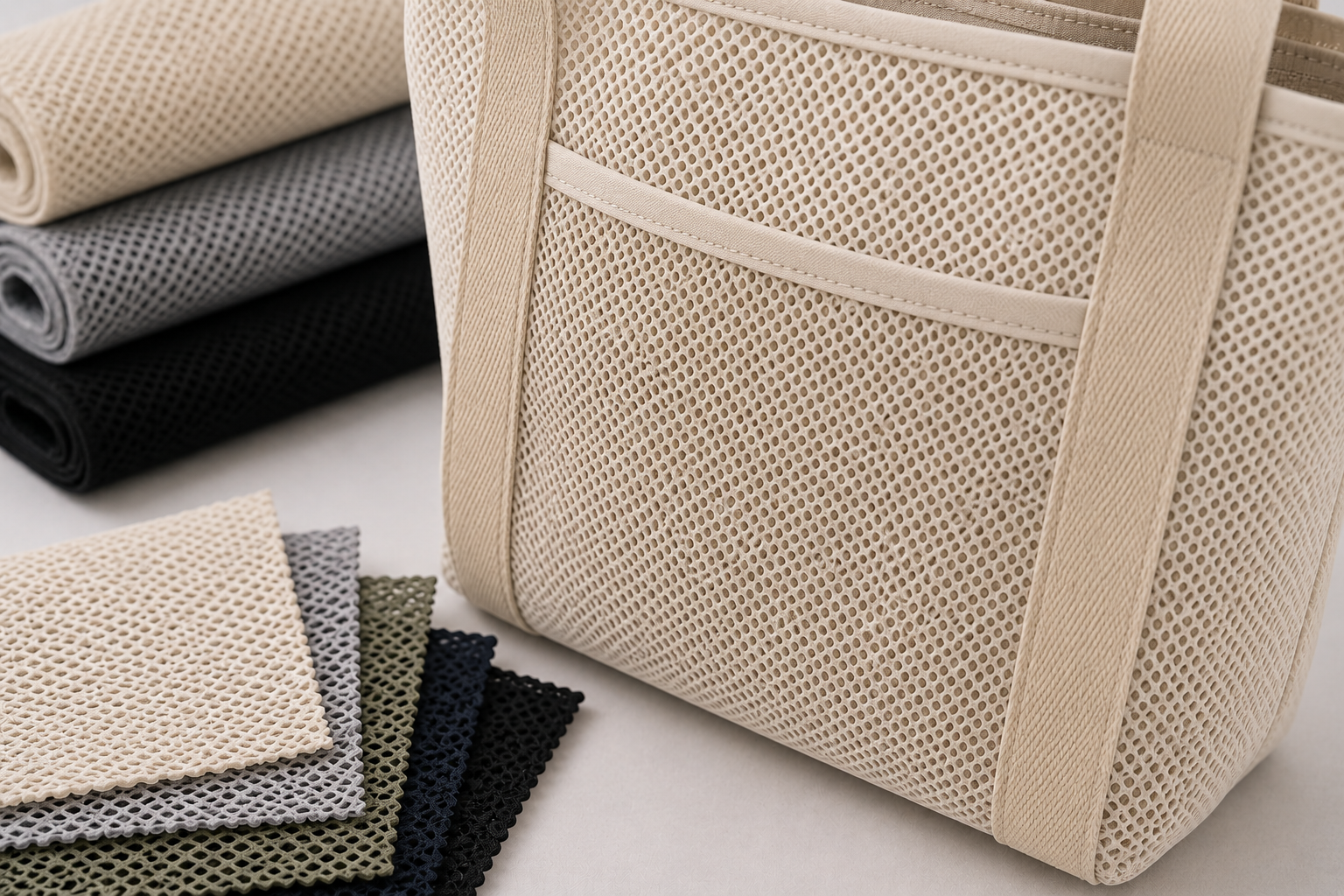
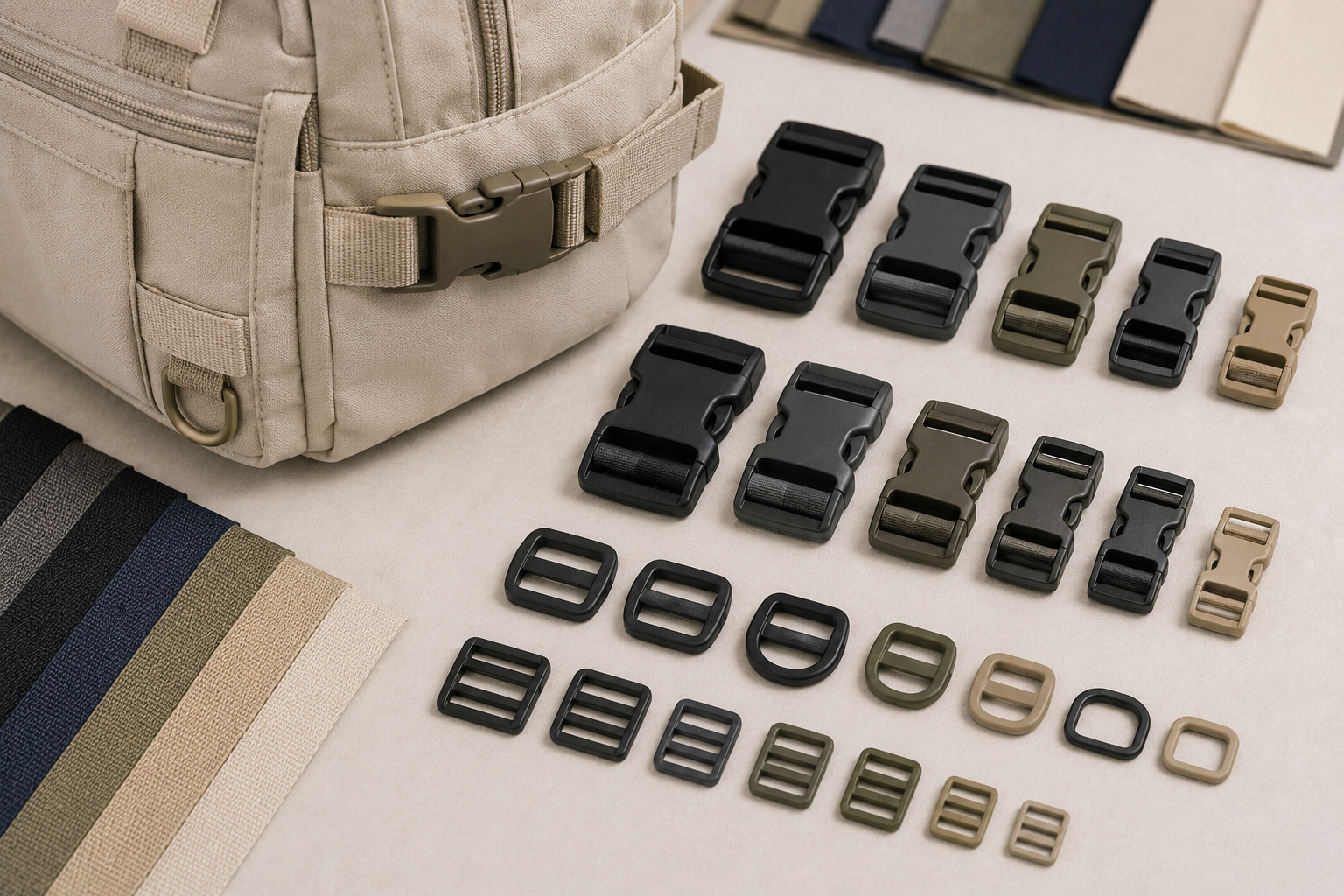
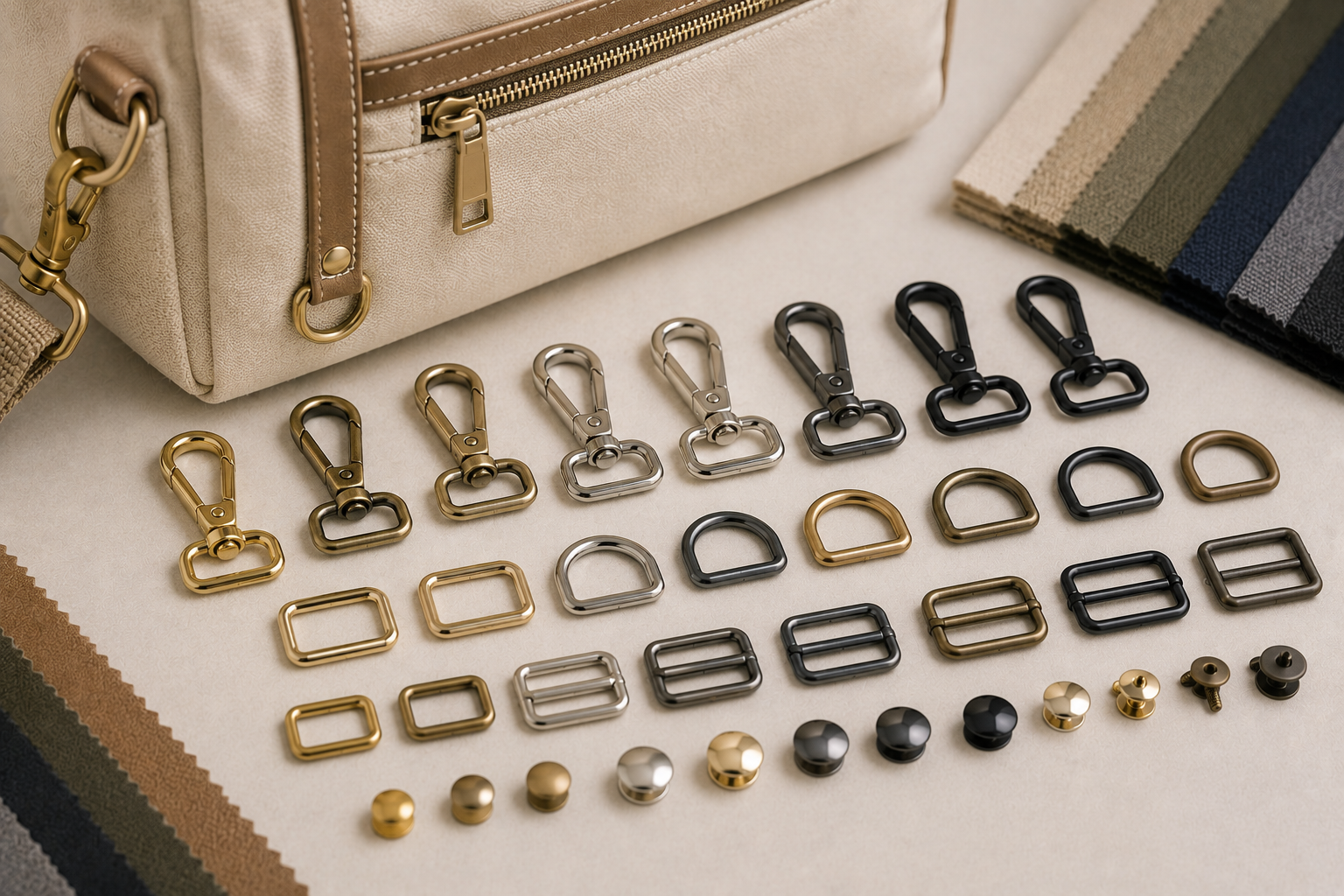
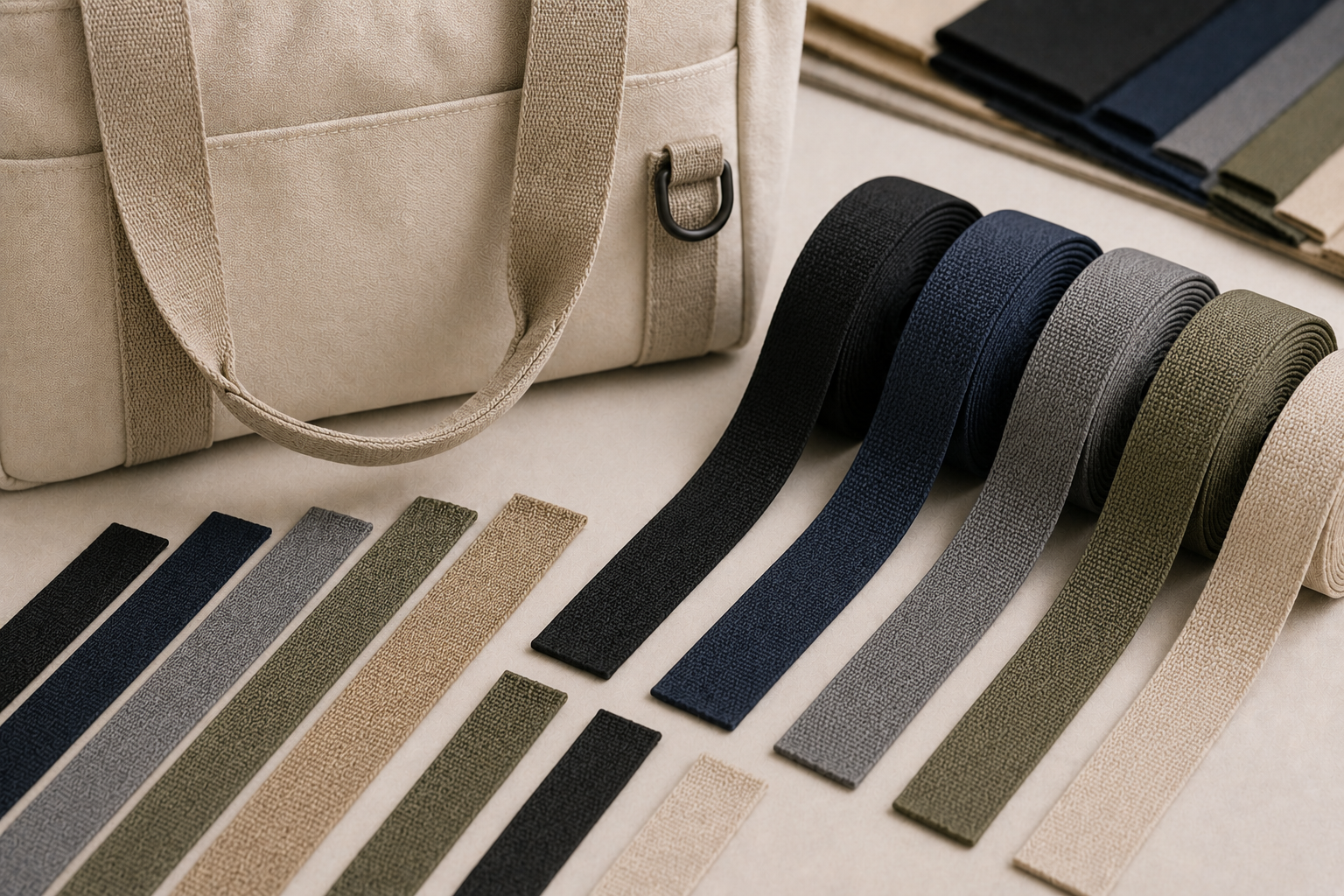
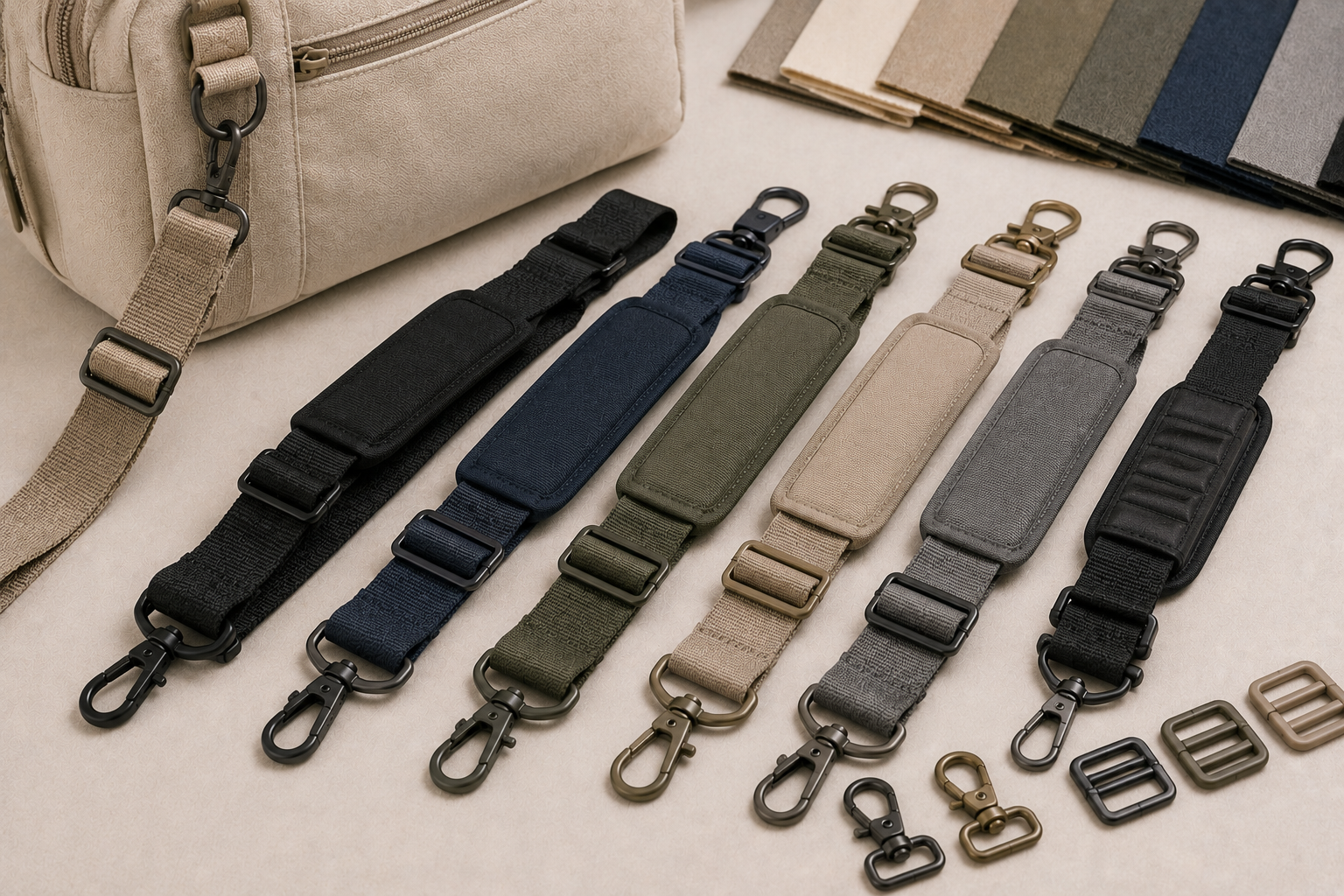
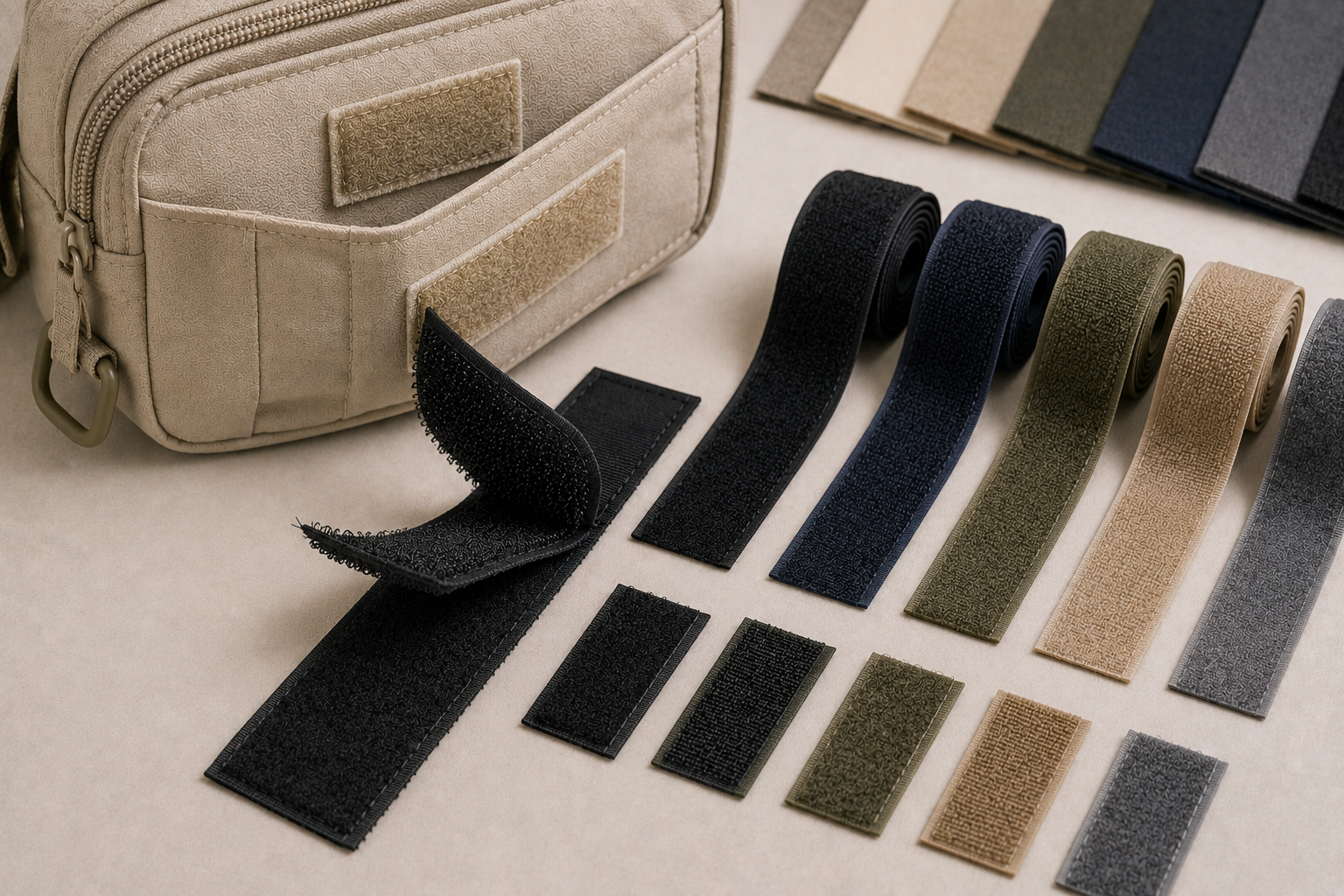
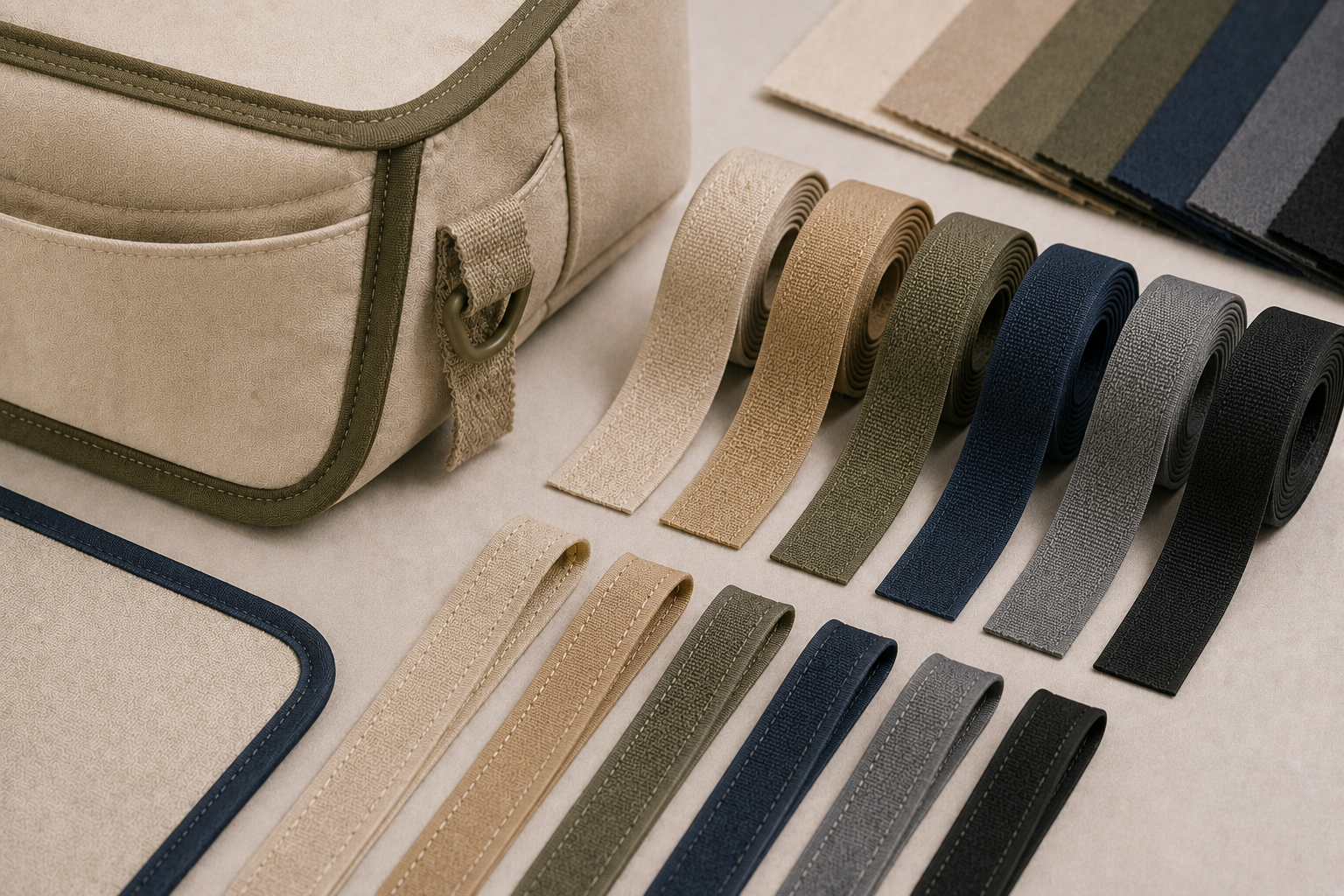
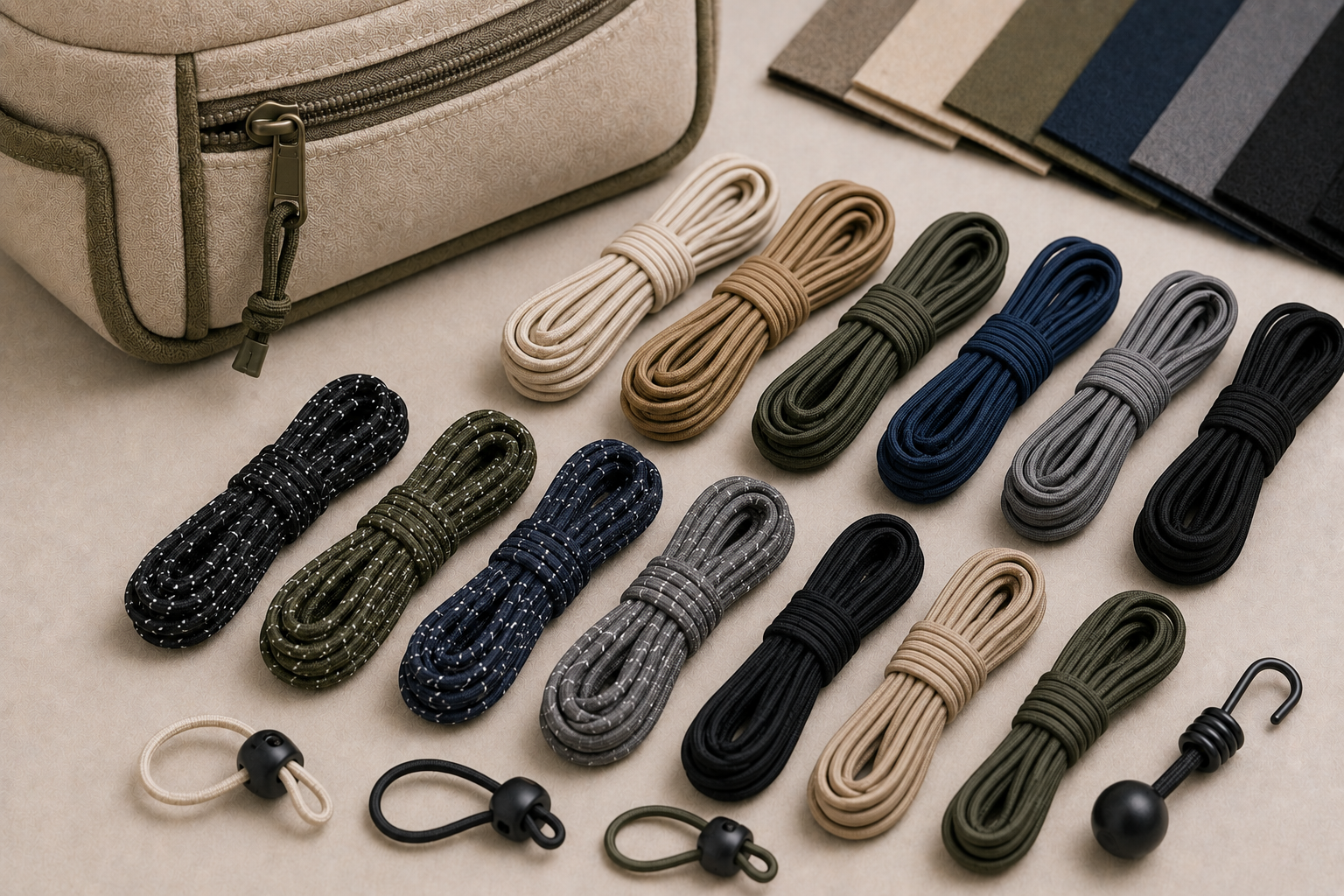
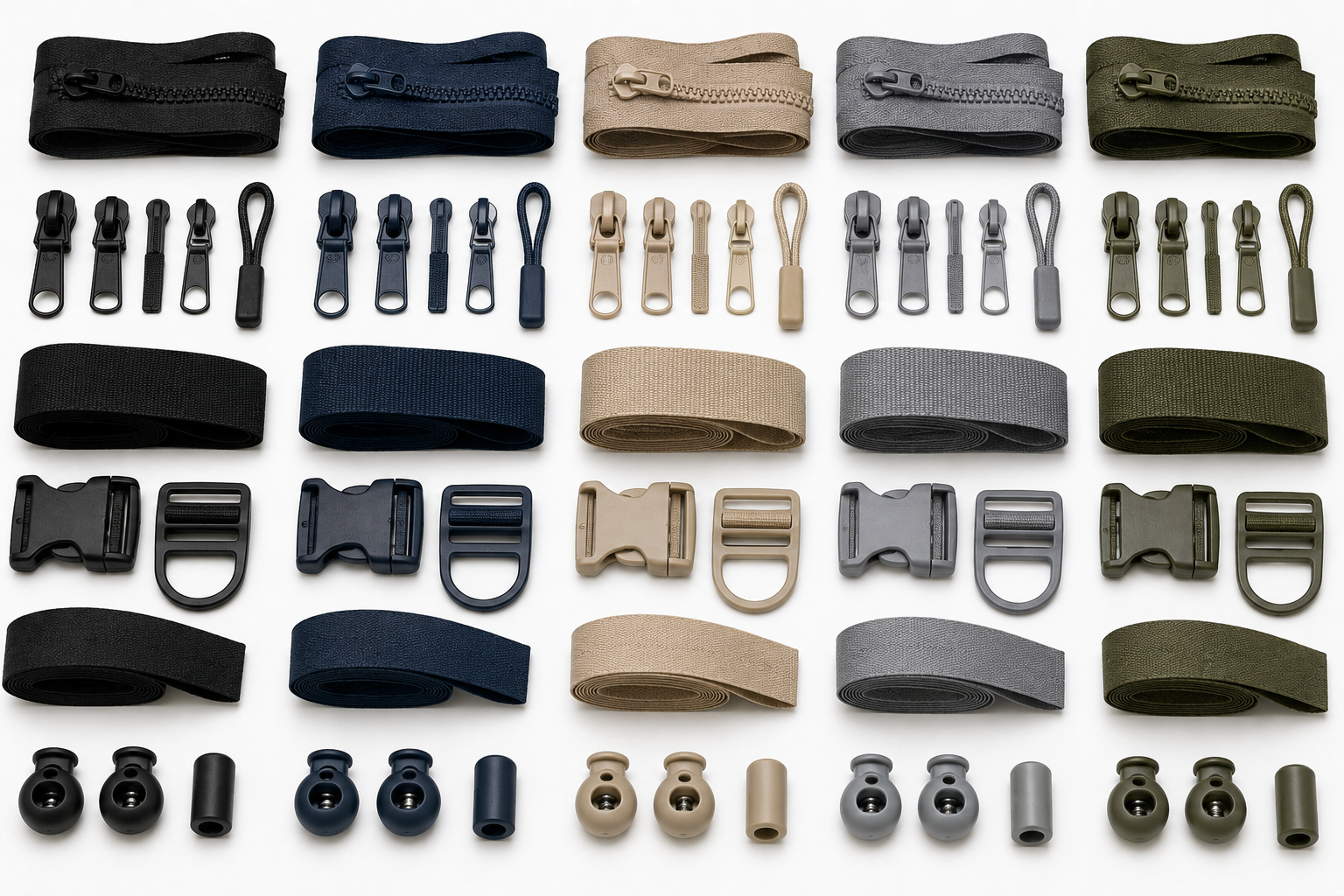
Select the fabric, color, logo method, zippers, buckles, straps, labels and packaging required for your bag. All customization details are confirmed during sampling and recorded for bulk production.
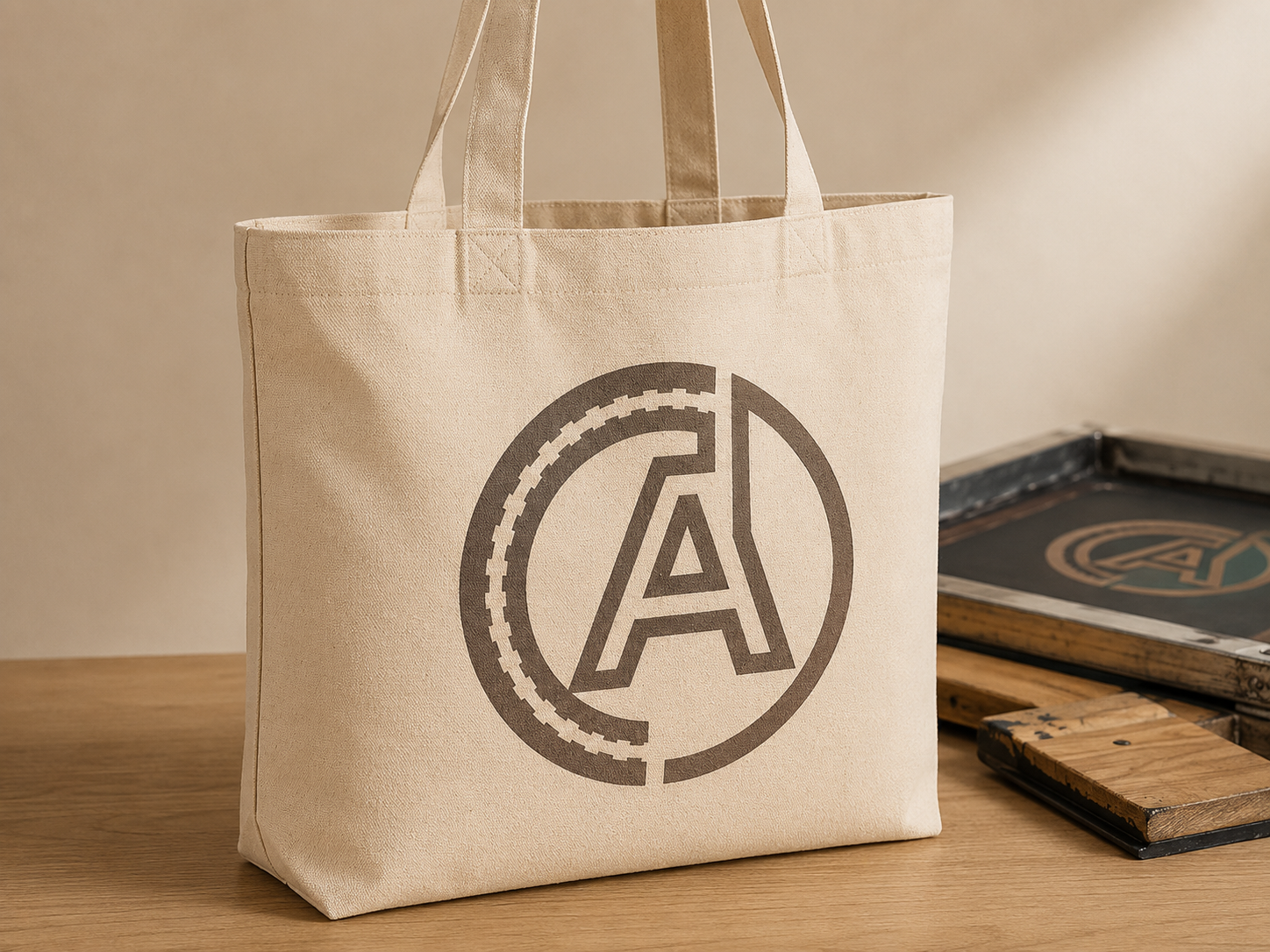
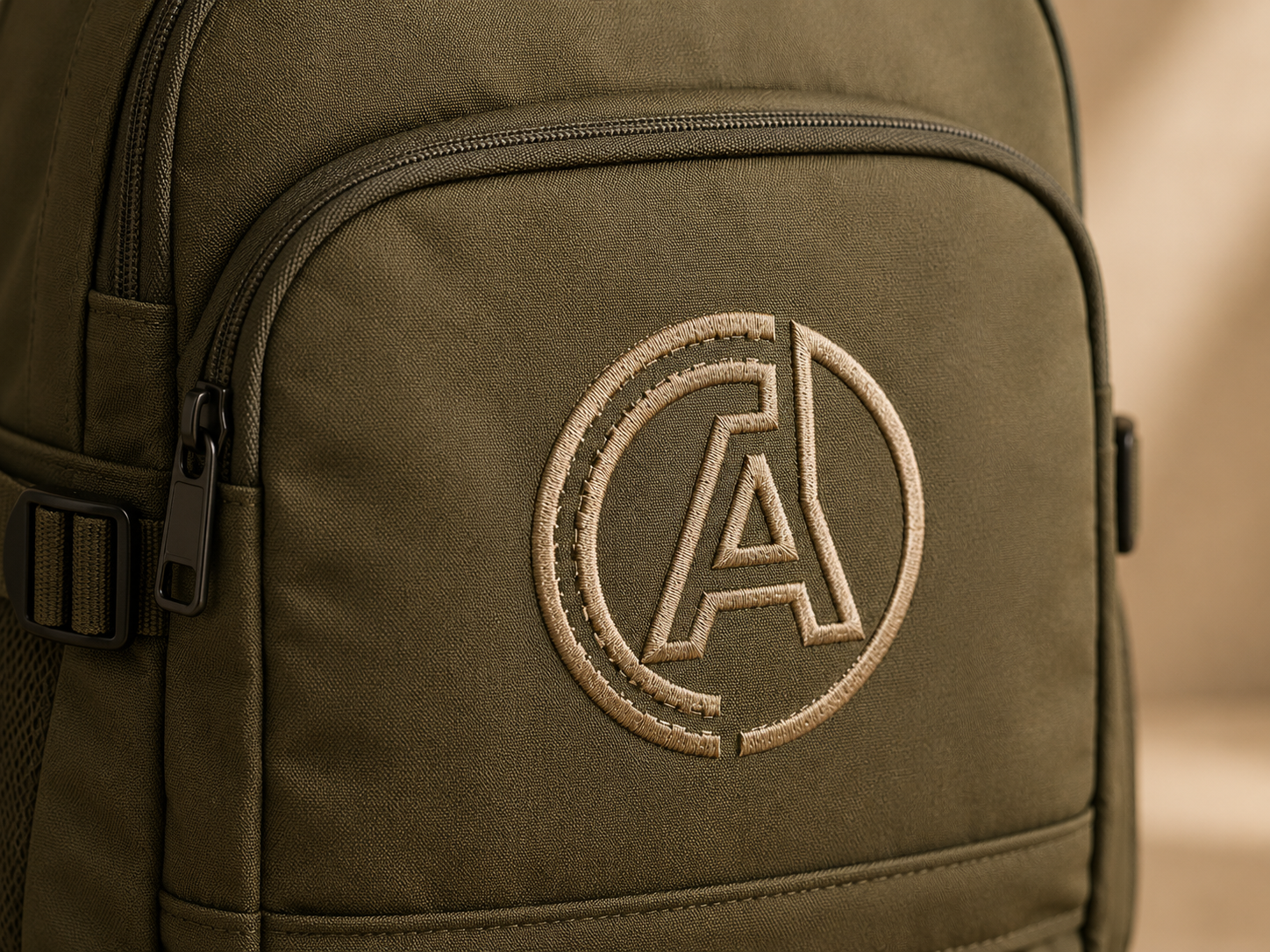
Private Label & Logo
Add brand identity with logo methods, label details and brand presentation options that fit your bag material, placement and order quantity.
Eight Steps in the Custom Bag Manufacturing Process
The process is designed to close important questions before they become expensive bulk-production problems.
01
Requirement Review
Share the bag category, reference photo or sample, target quantity, market, logo, packing needs, target price and required delivery window.
02
Product Direction & Cost Review
We review structure, materials, construction, customization and order quantity to identify a practical development direction before sampling.
03
Material, Color & Trim Confirmation
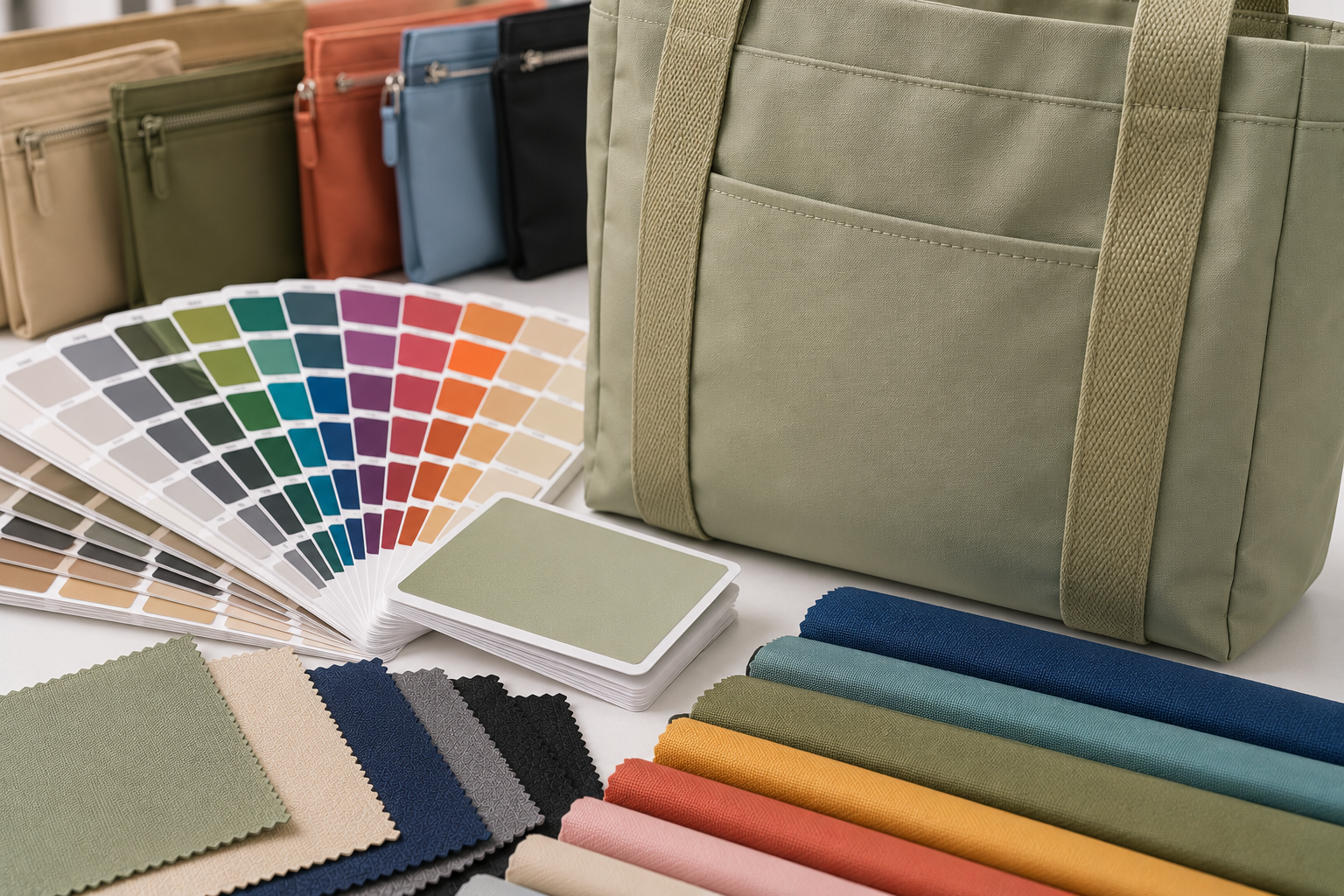
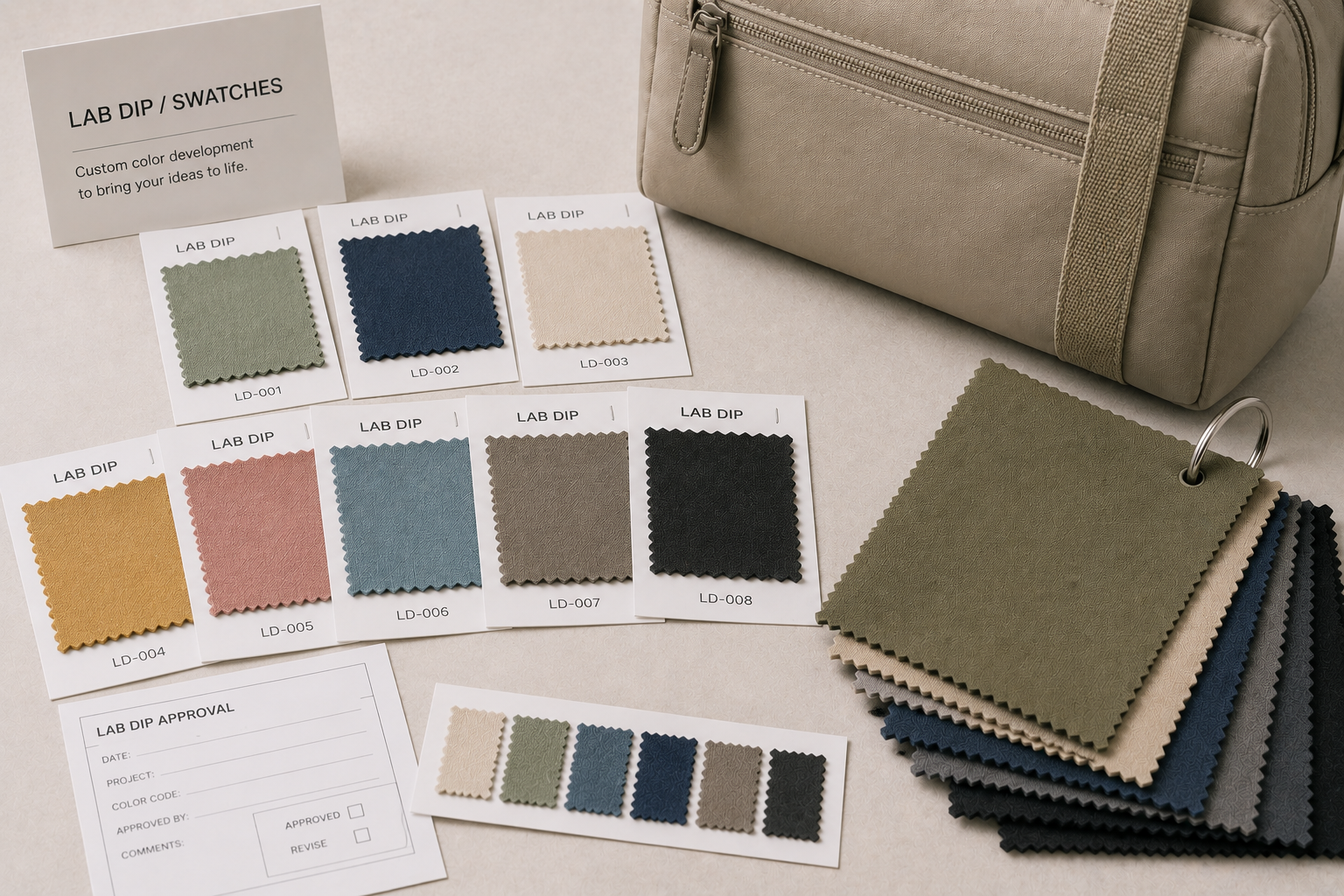
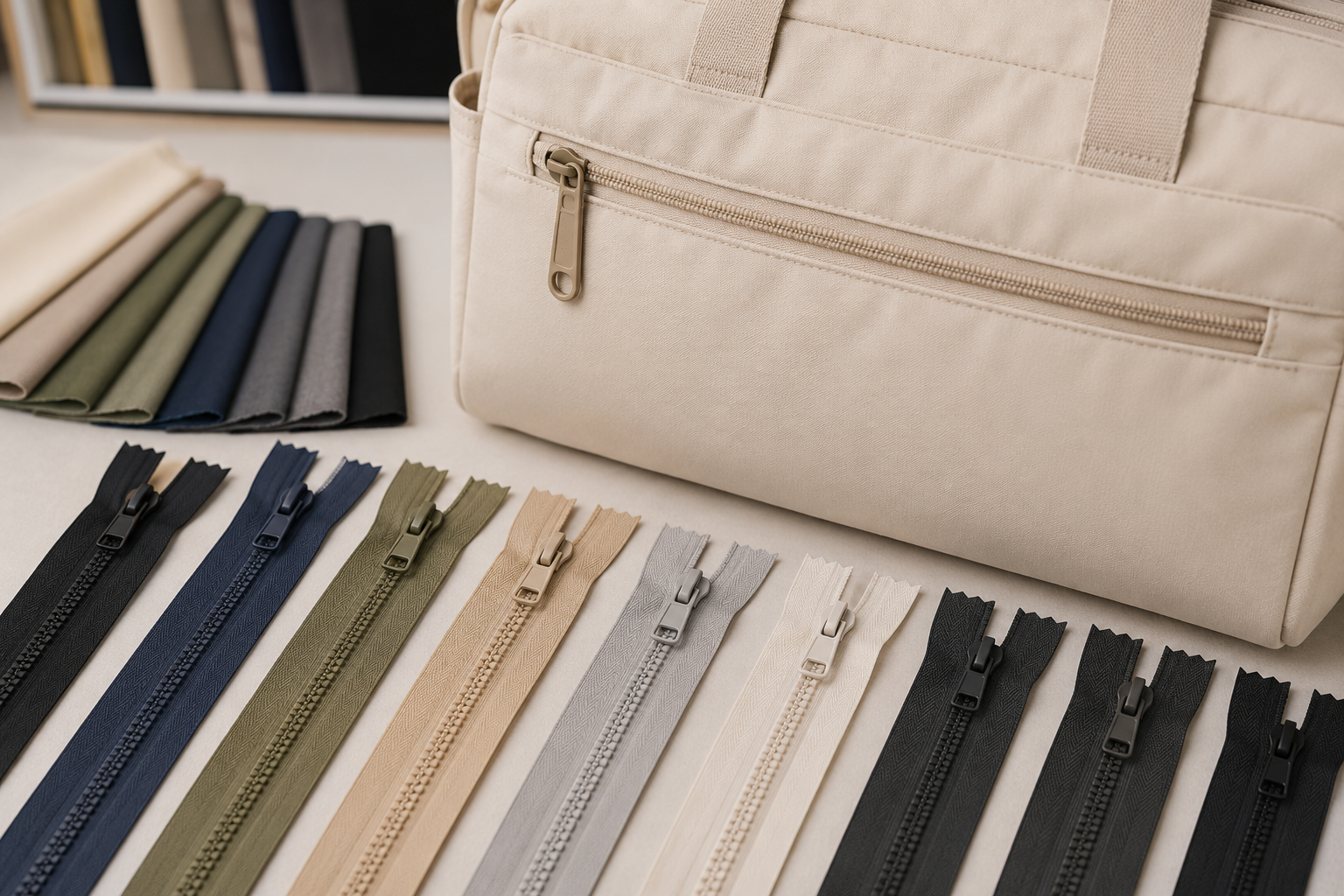
Confirm the main fabric, lining, webbing, zipper, buckle, hardware, Pantone direction and other components that affect function and cost.
04
Logo & Branding Confirmation
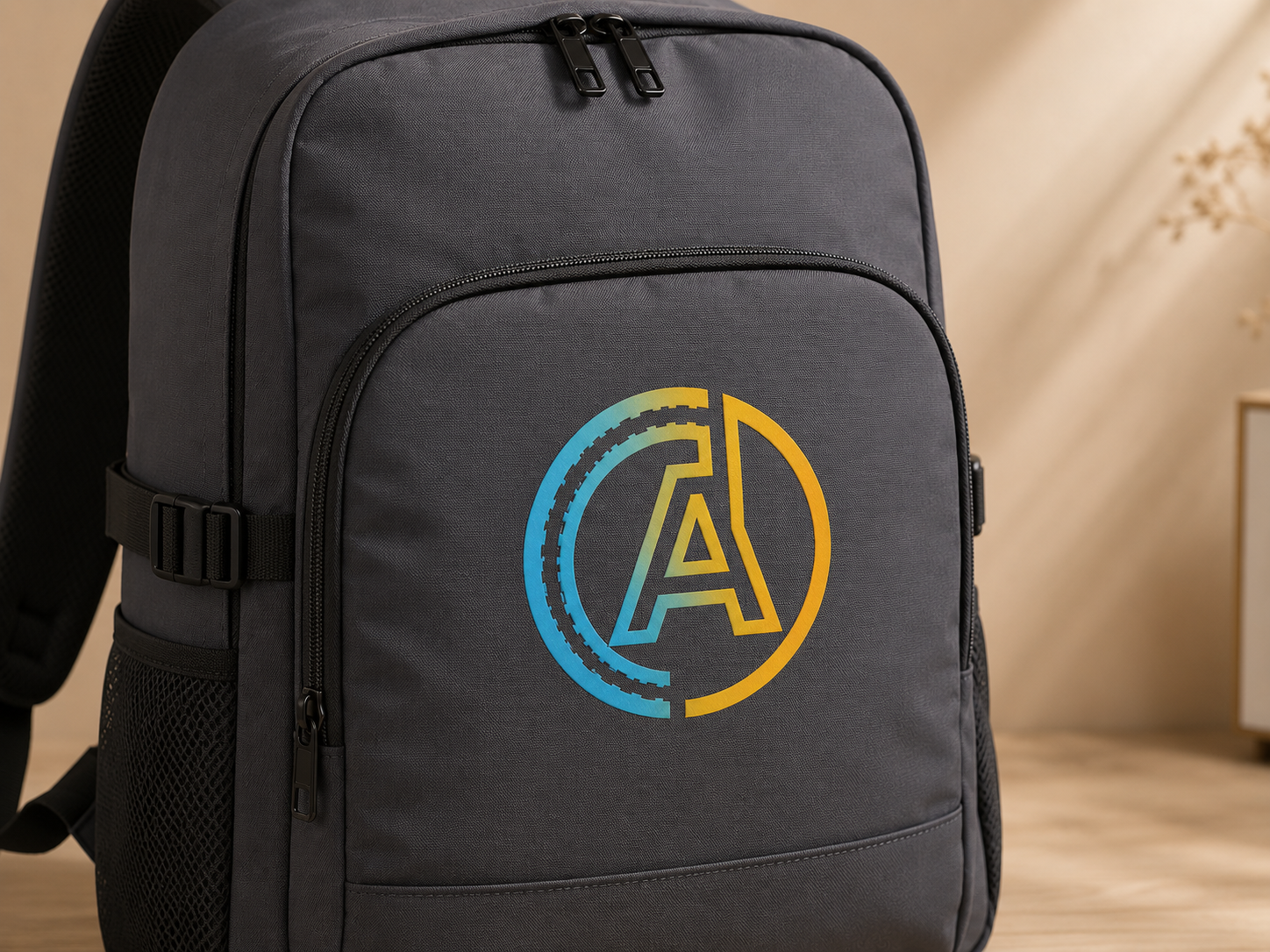
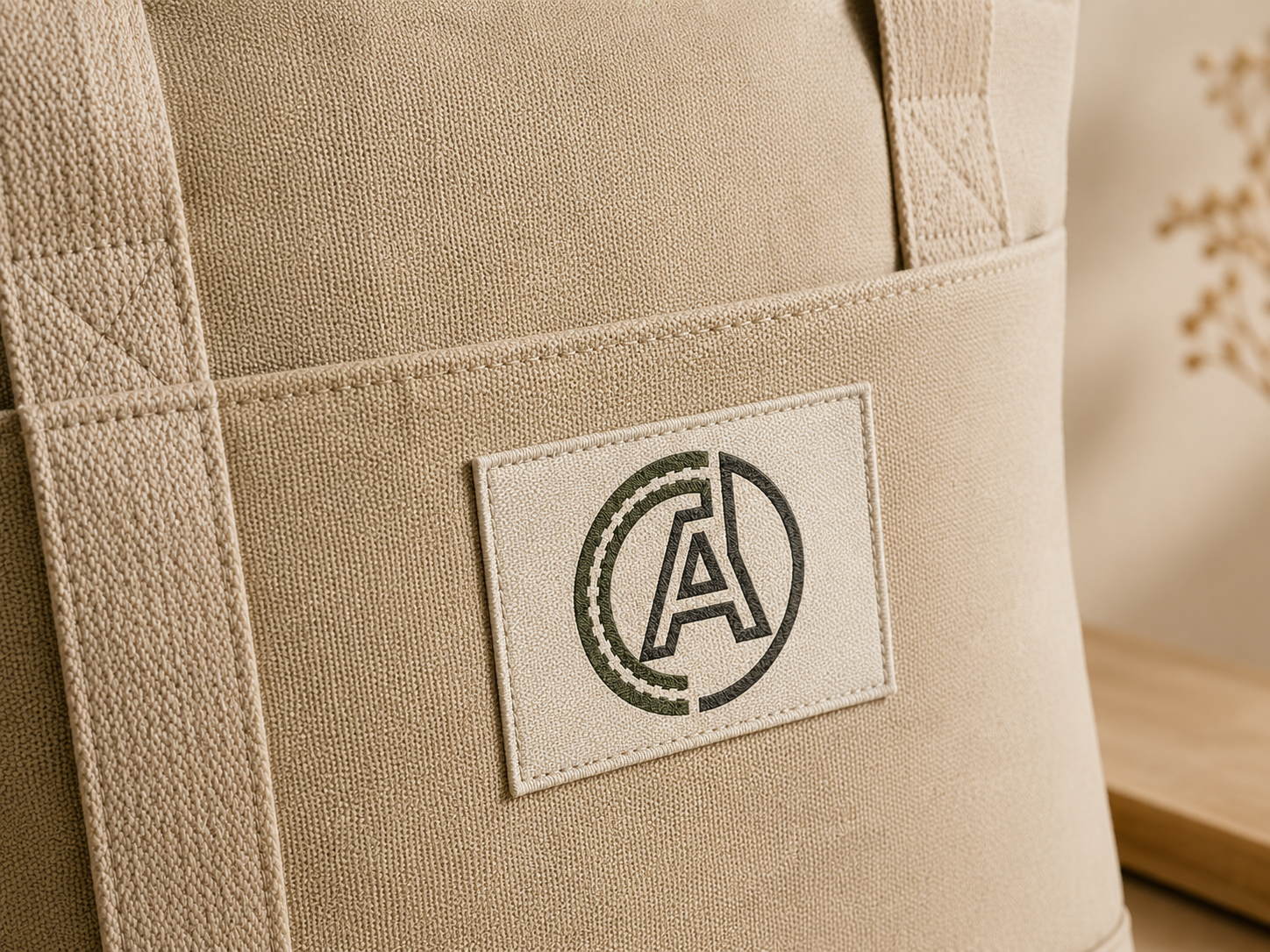
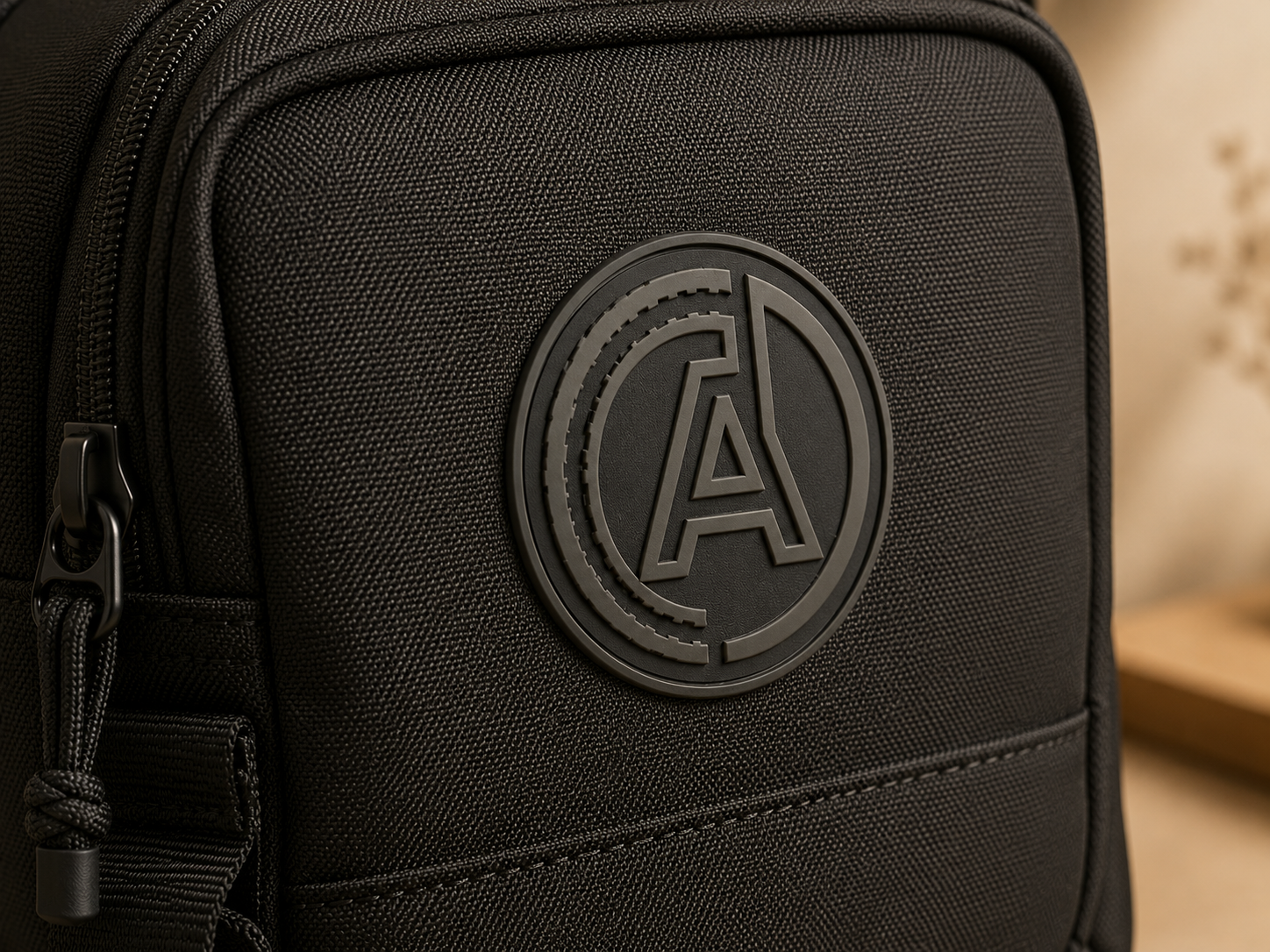
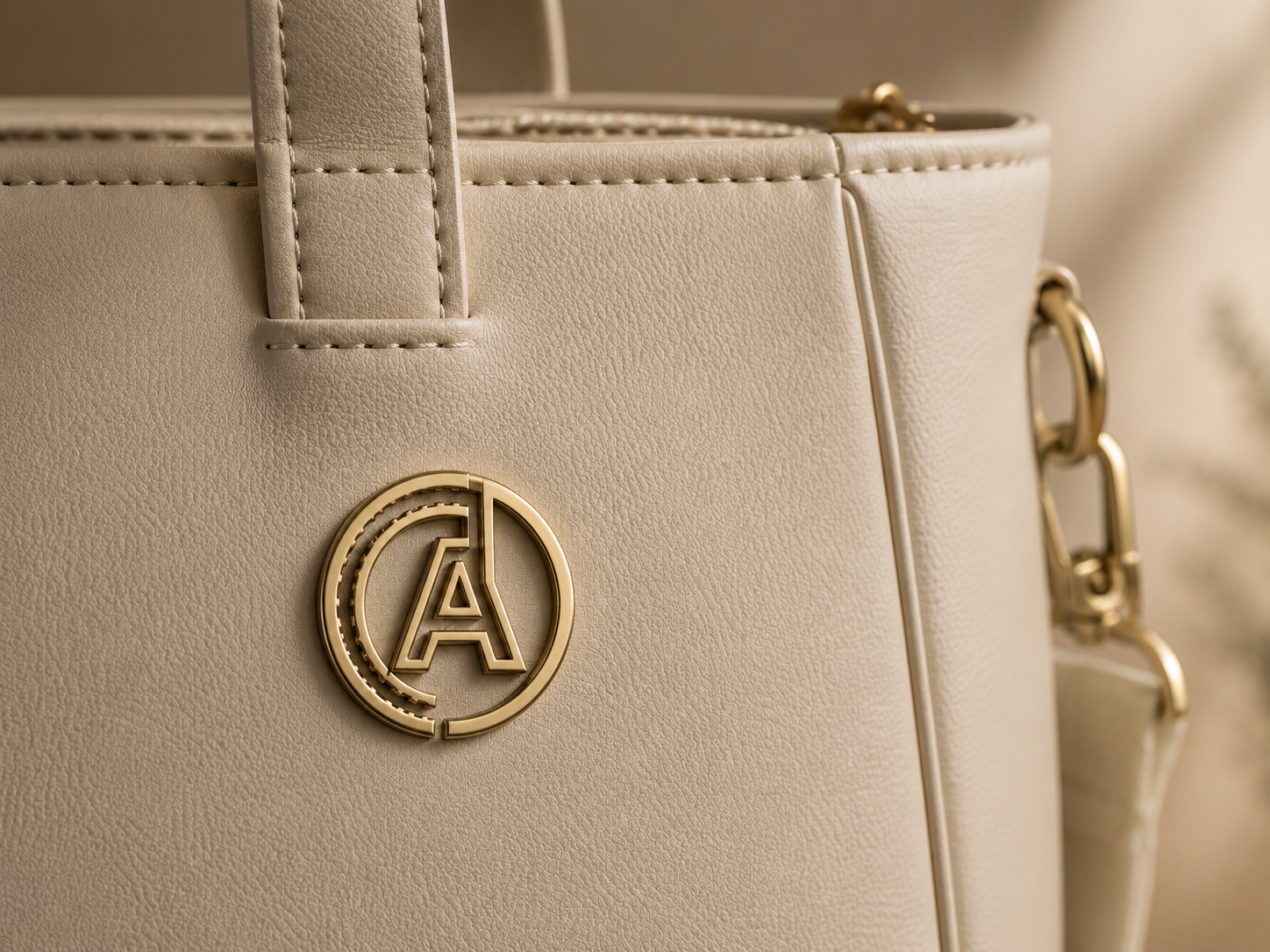
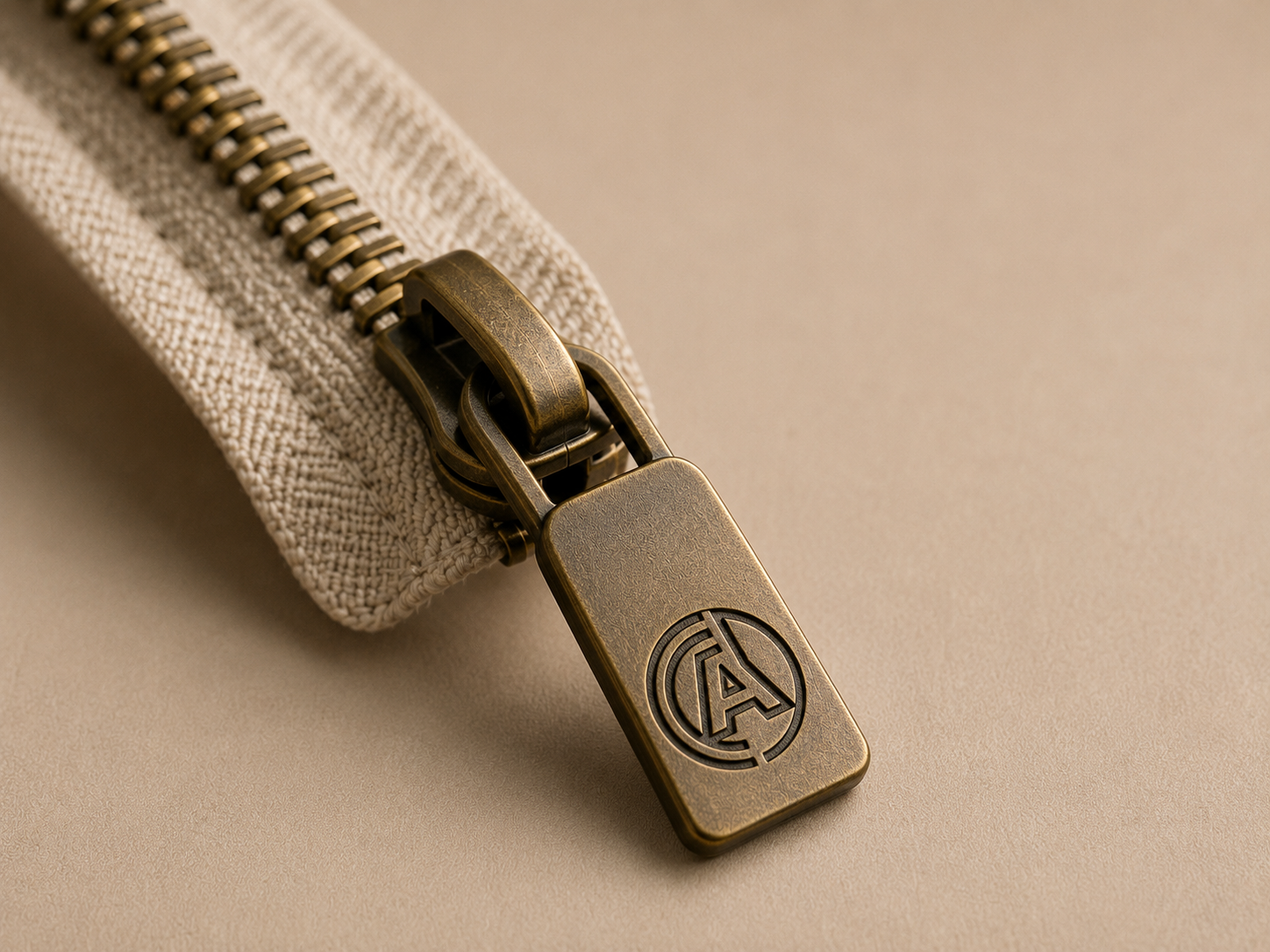
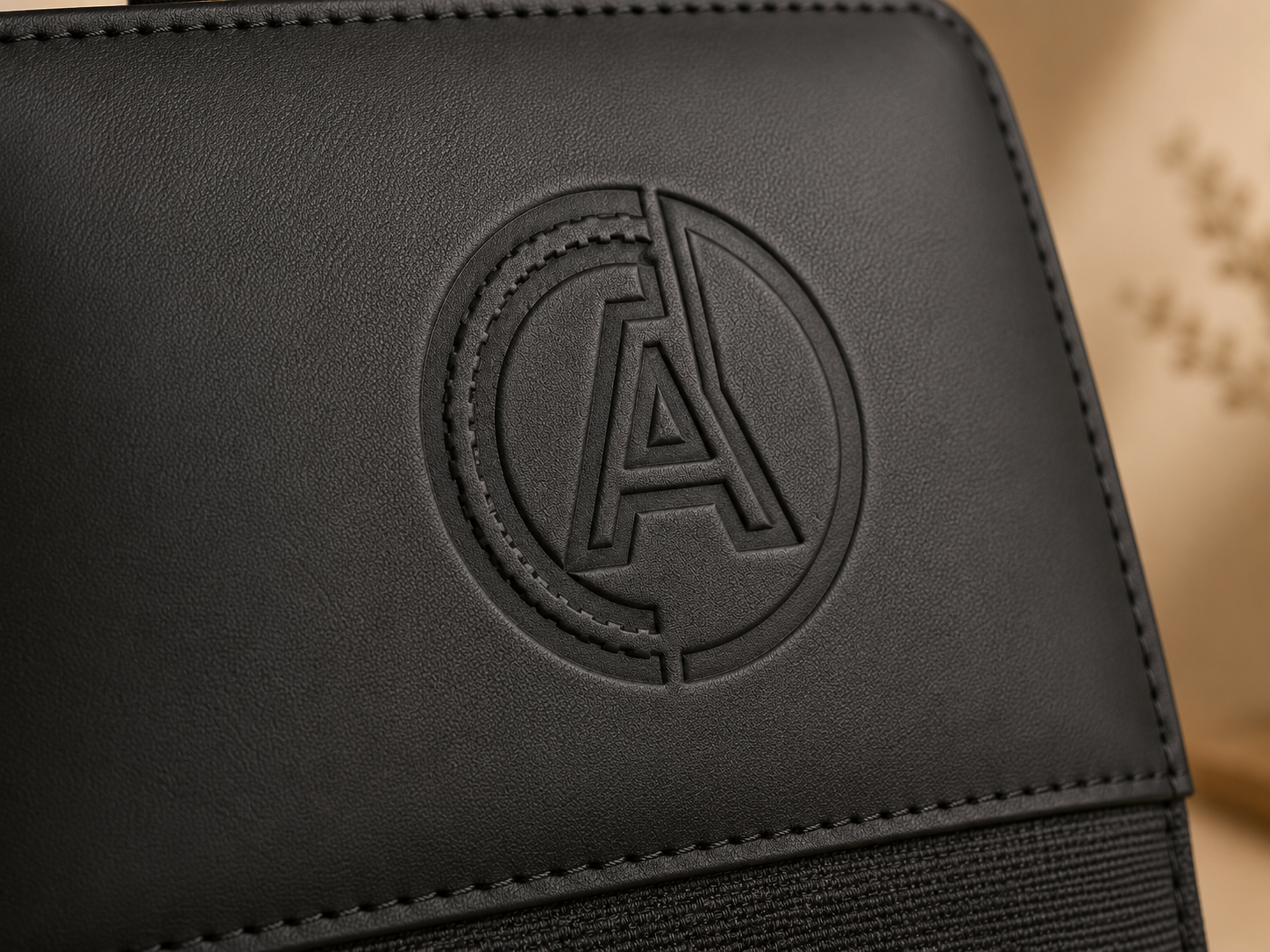
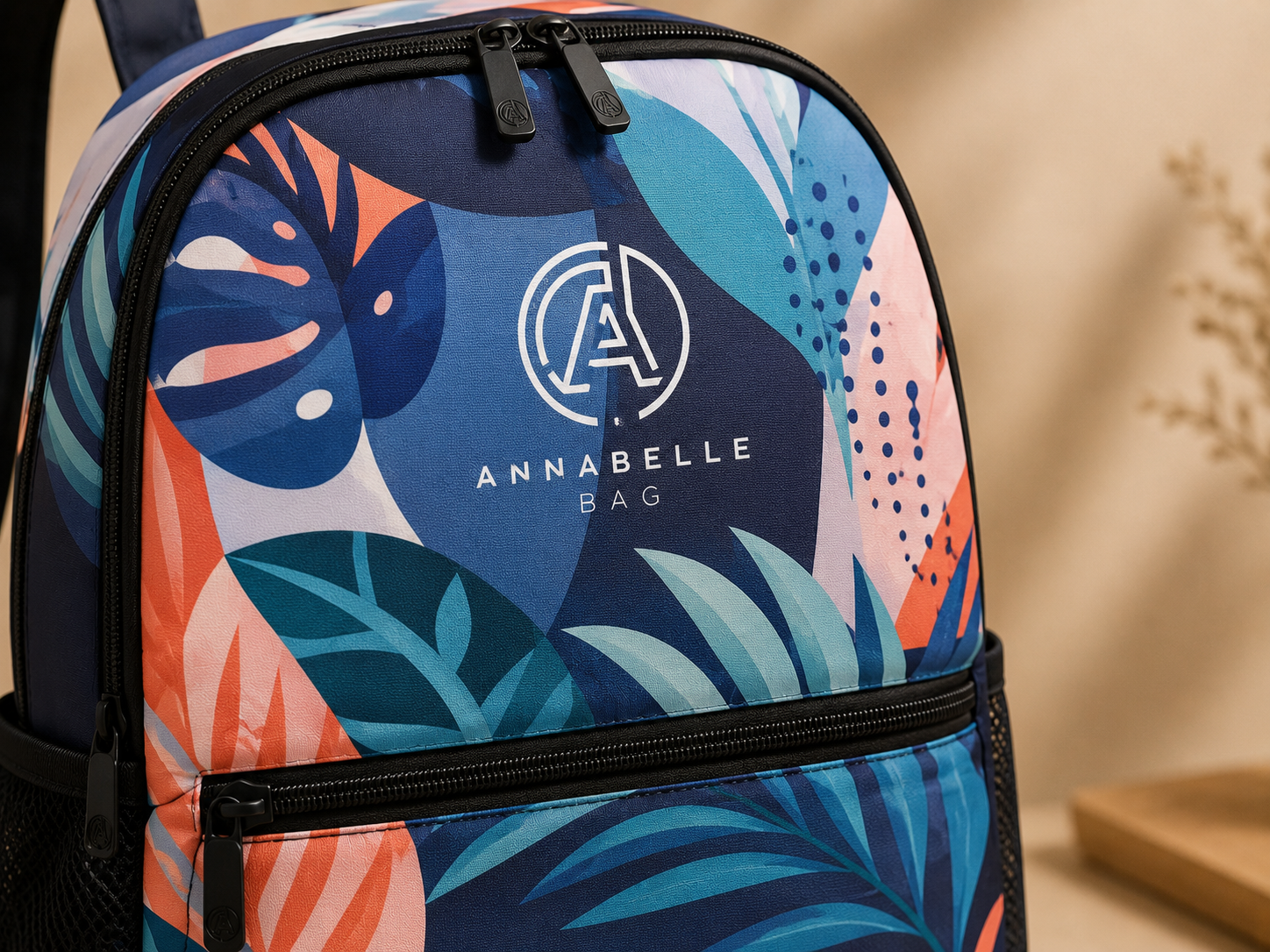
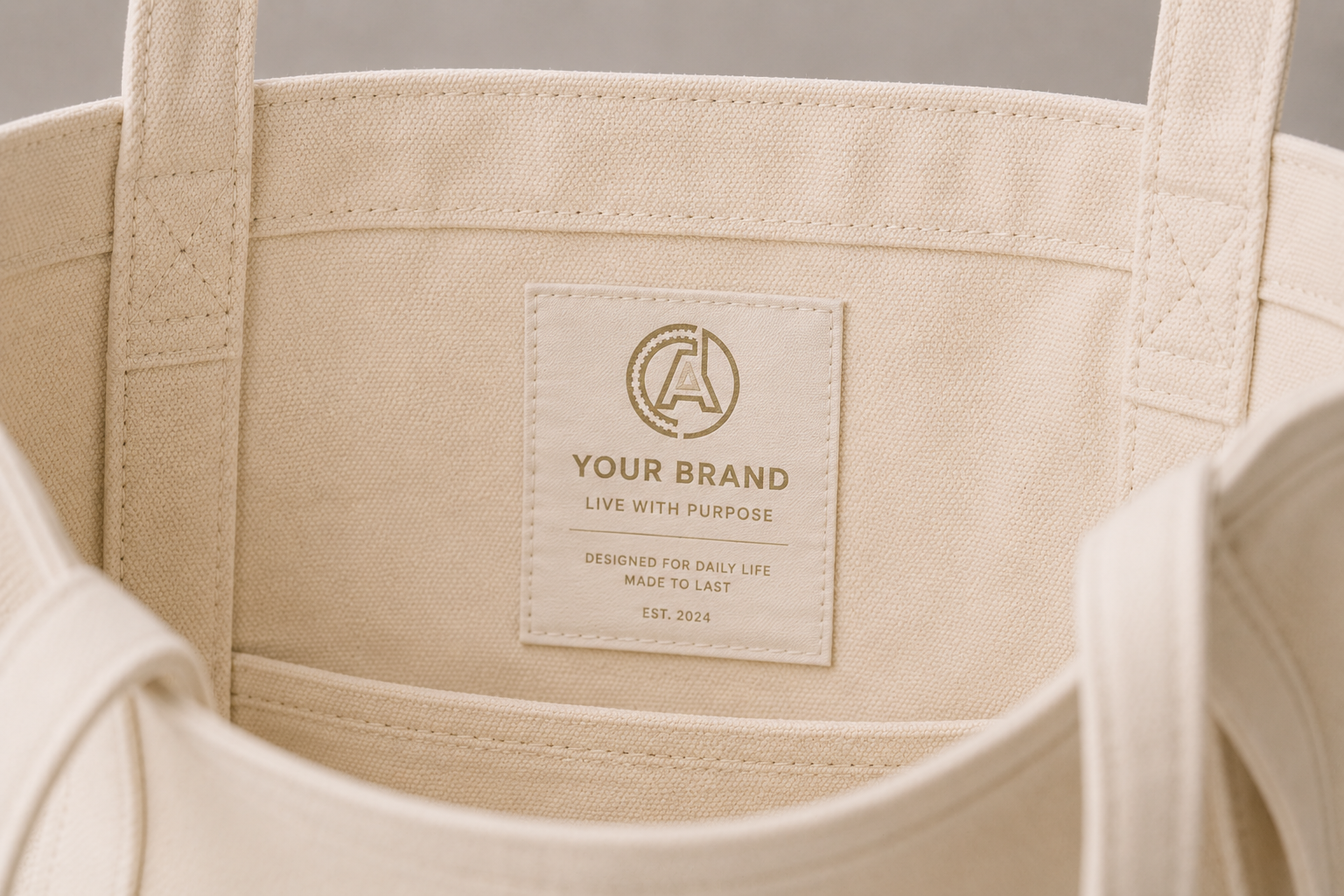
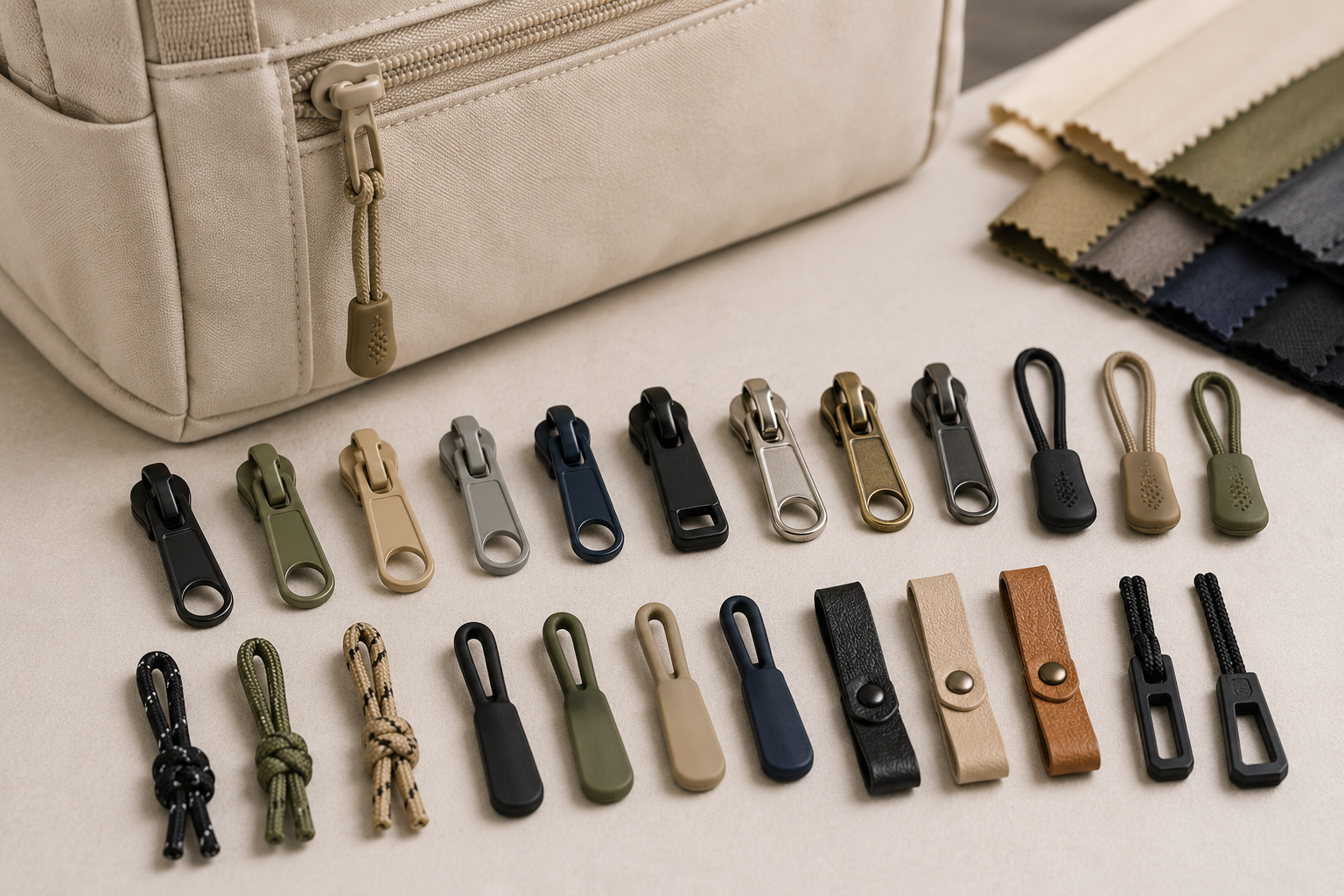
Choose a suitable method such as screen printing, embroidery, heat transfer, woven label, rubber patch, metal badge, custom puller or inner label.
05
Sample Development & Revision
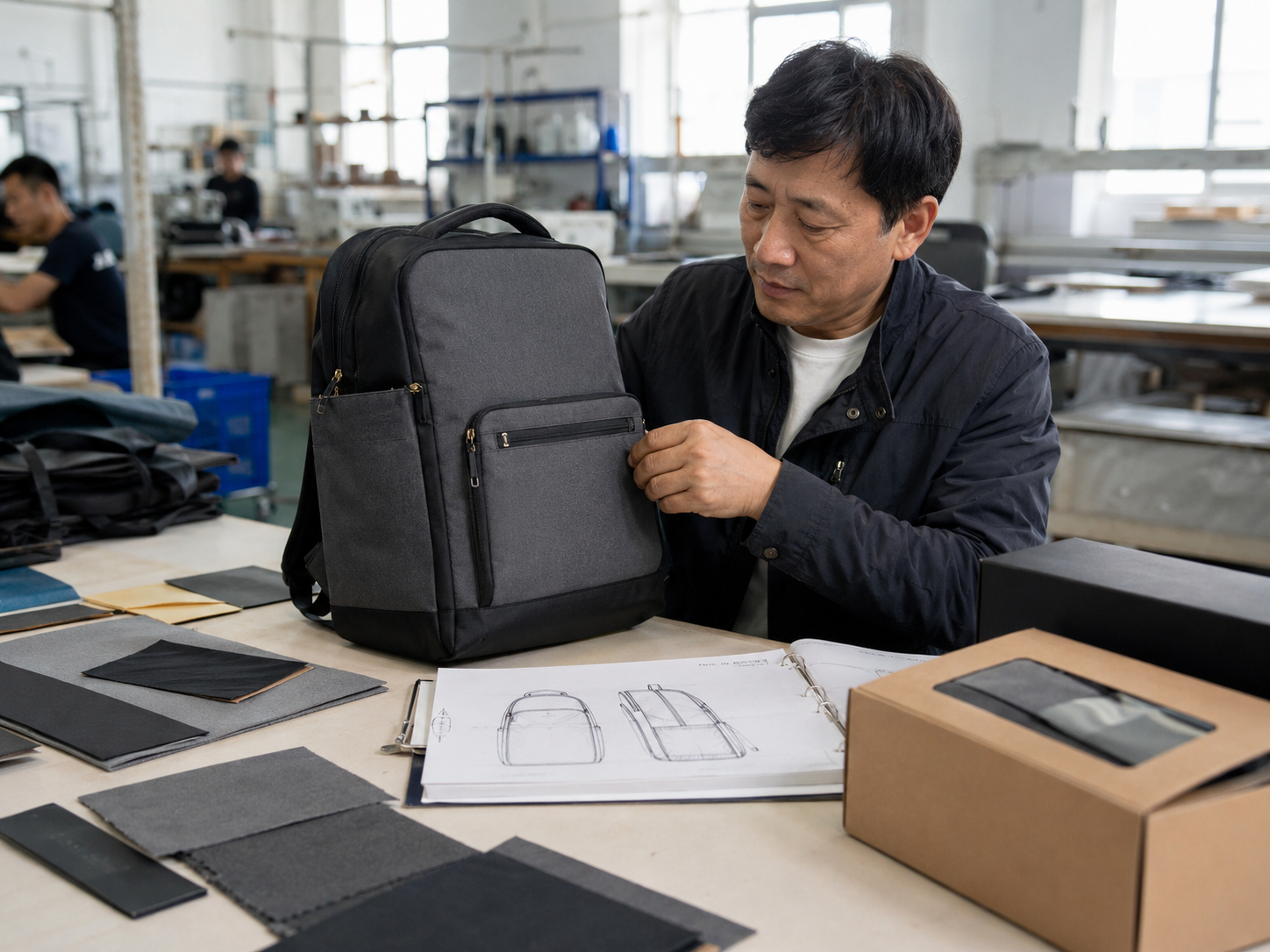
A physical sample is made to confirm dimensions, hand feel, construction, logo effect, workmanship and packing. Revisions are recorded before approval.
06
Pre-Production Confirmation
The approved sample, order details, color breakdown, packing instructions and quality points become the production reference before cutting starts.
07
Bulk Production & Quality Checks
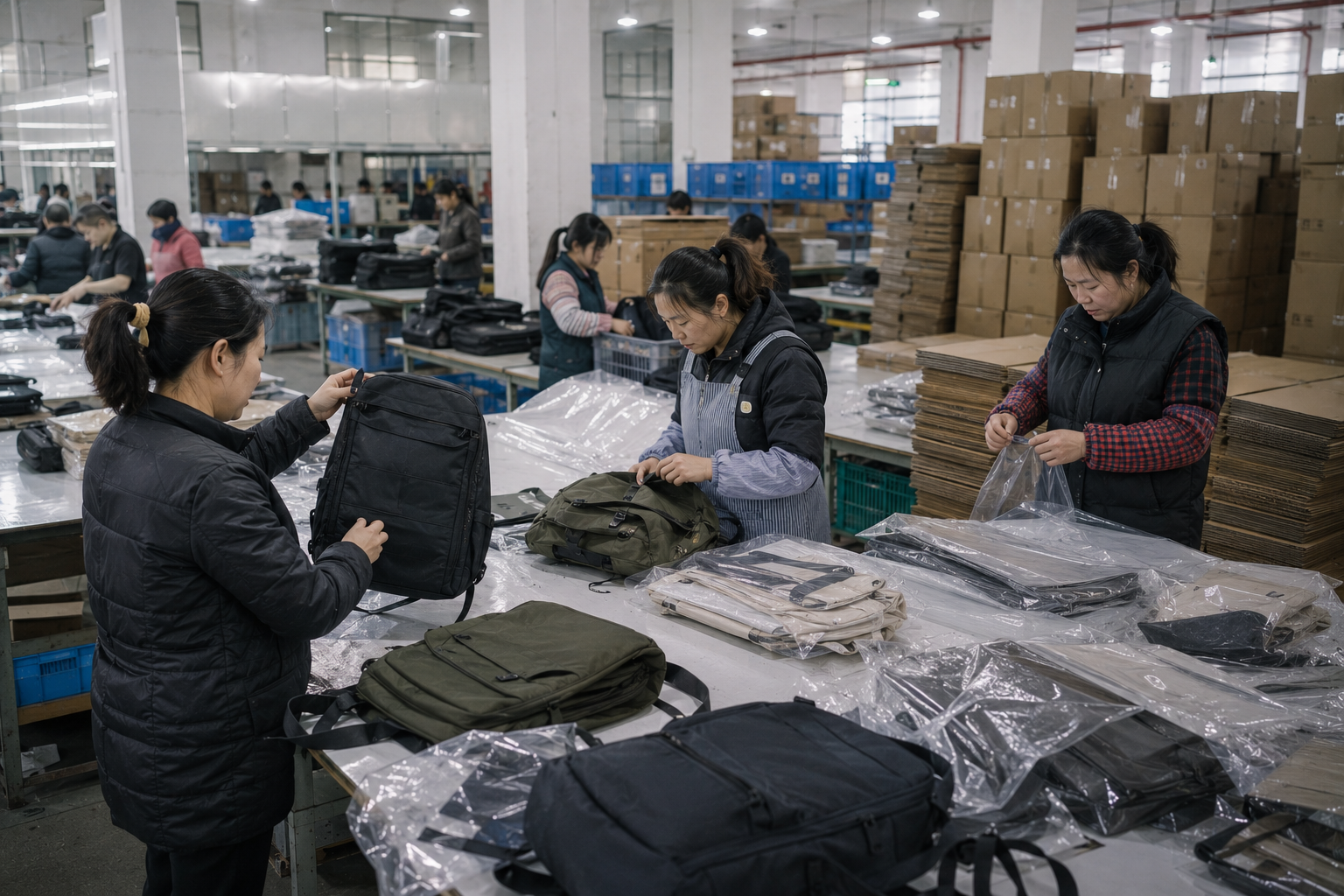
Material, cutting, sewing, logo application, finishing and packing are checked during production and again before shipment.
08
Retail Packing & Export Coordination
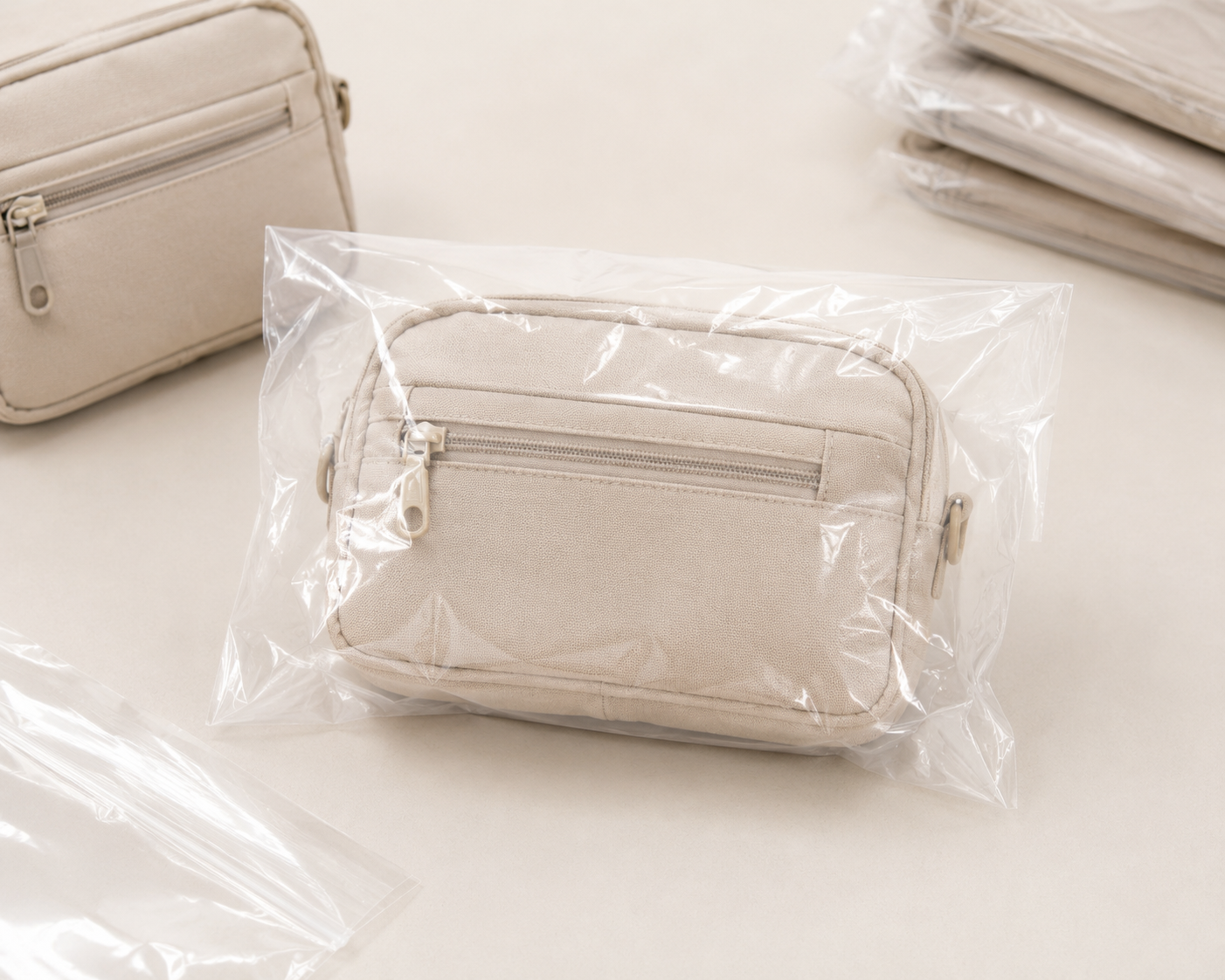
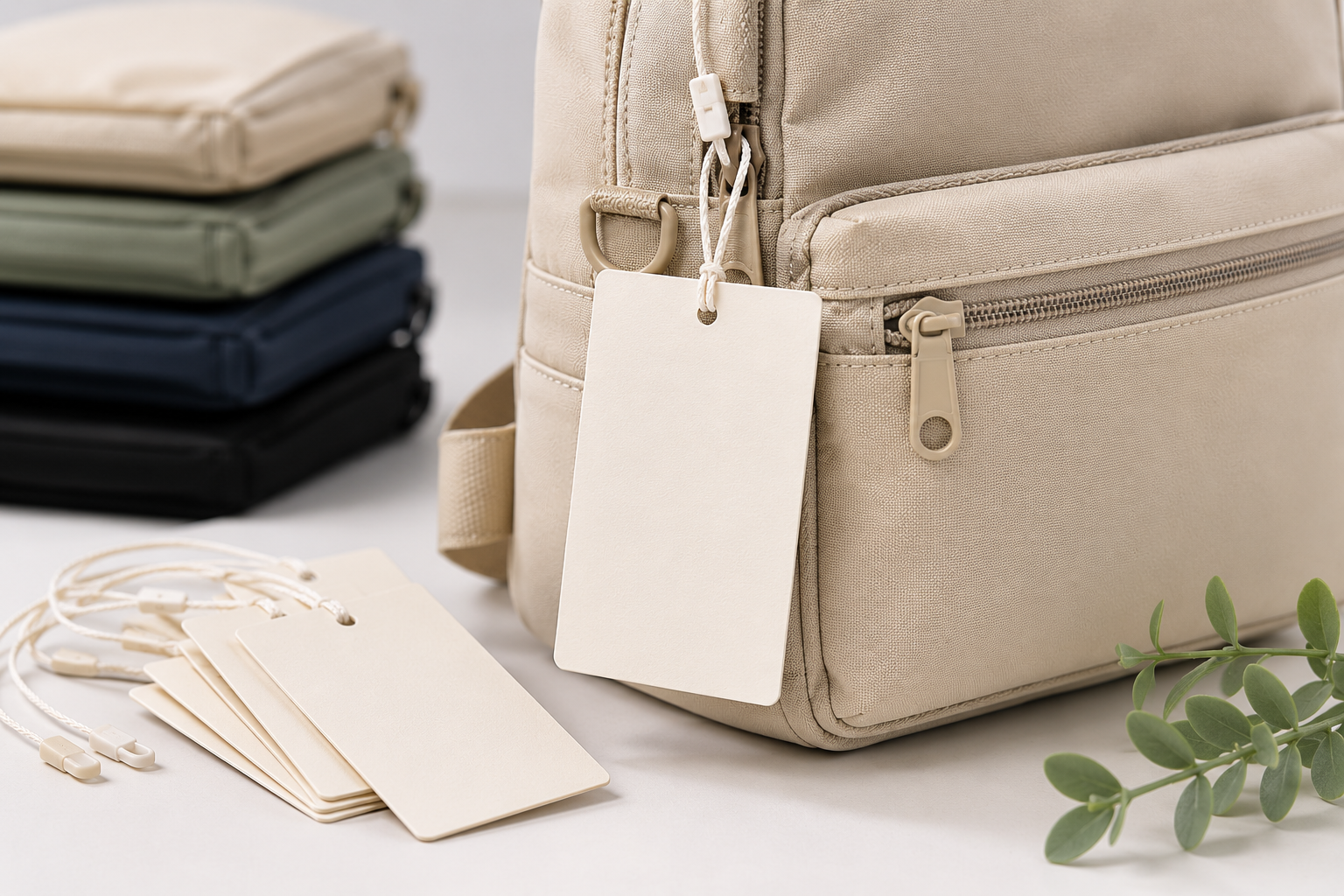
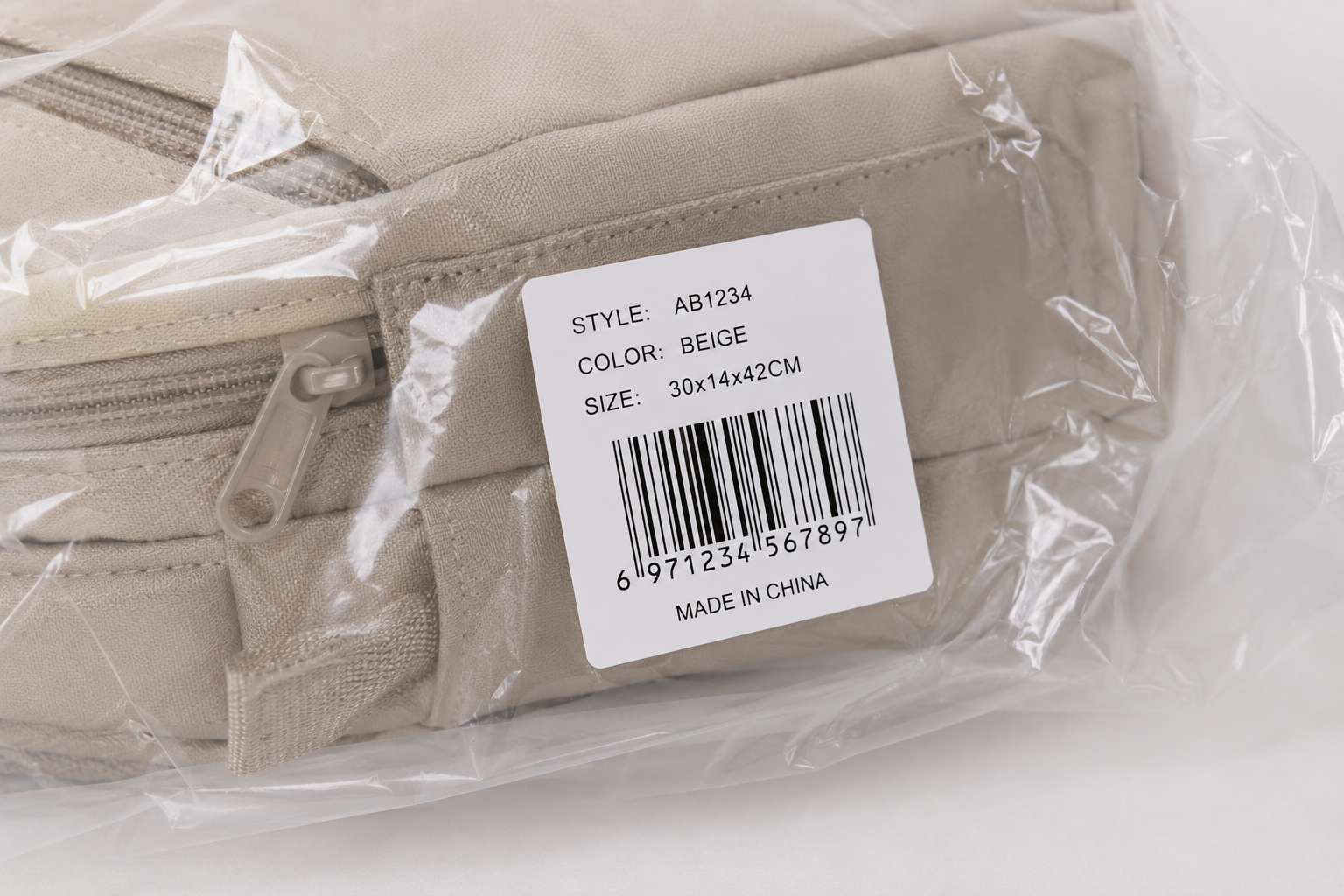
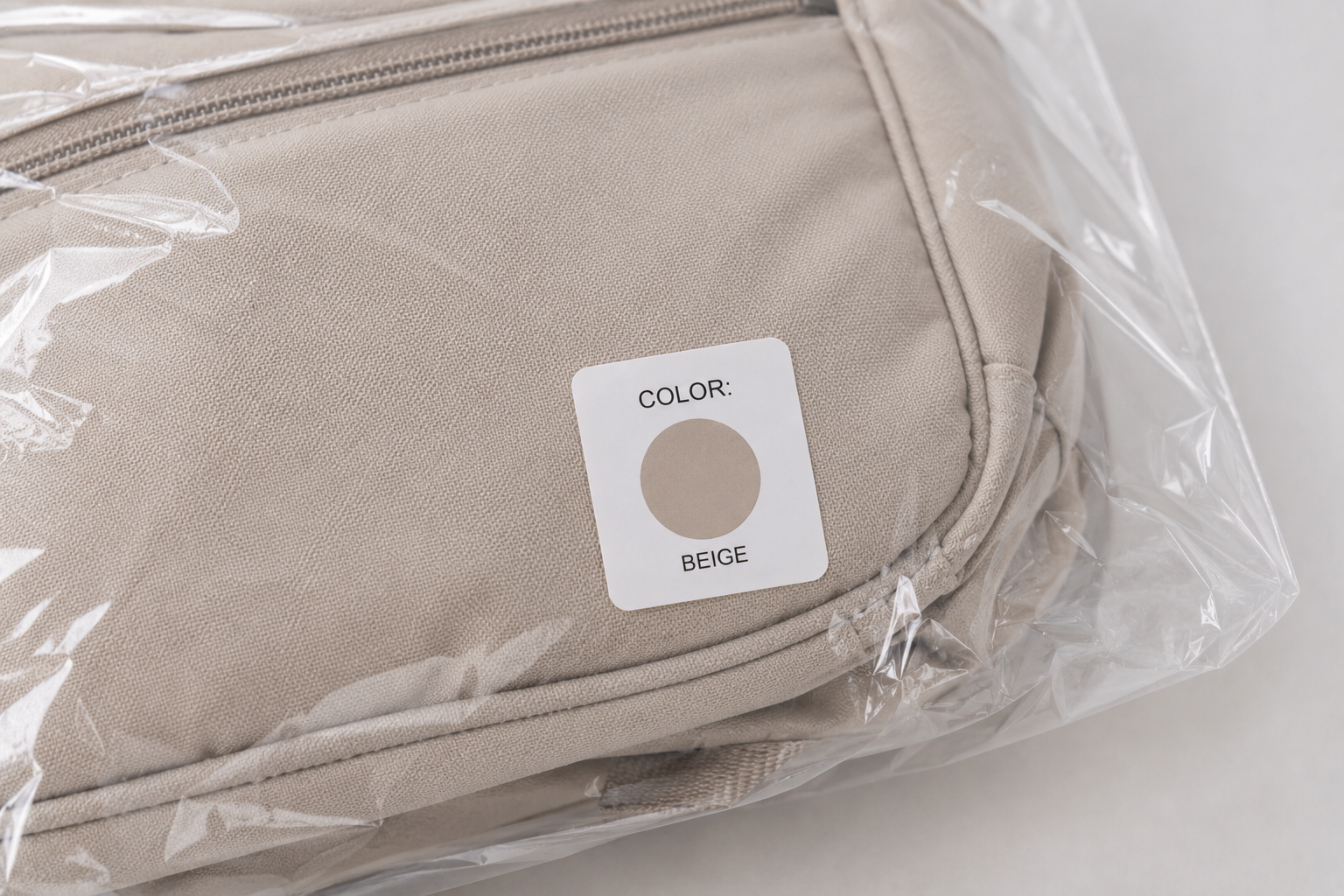
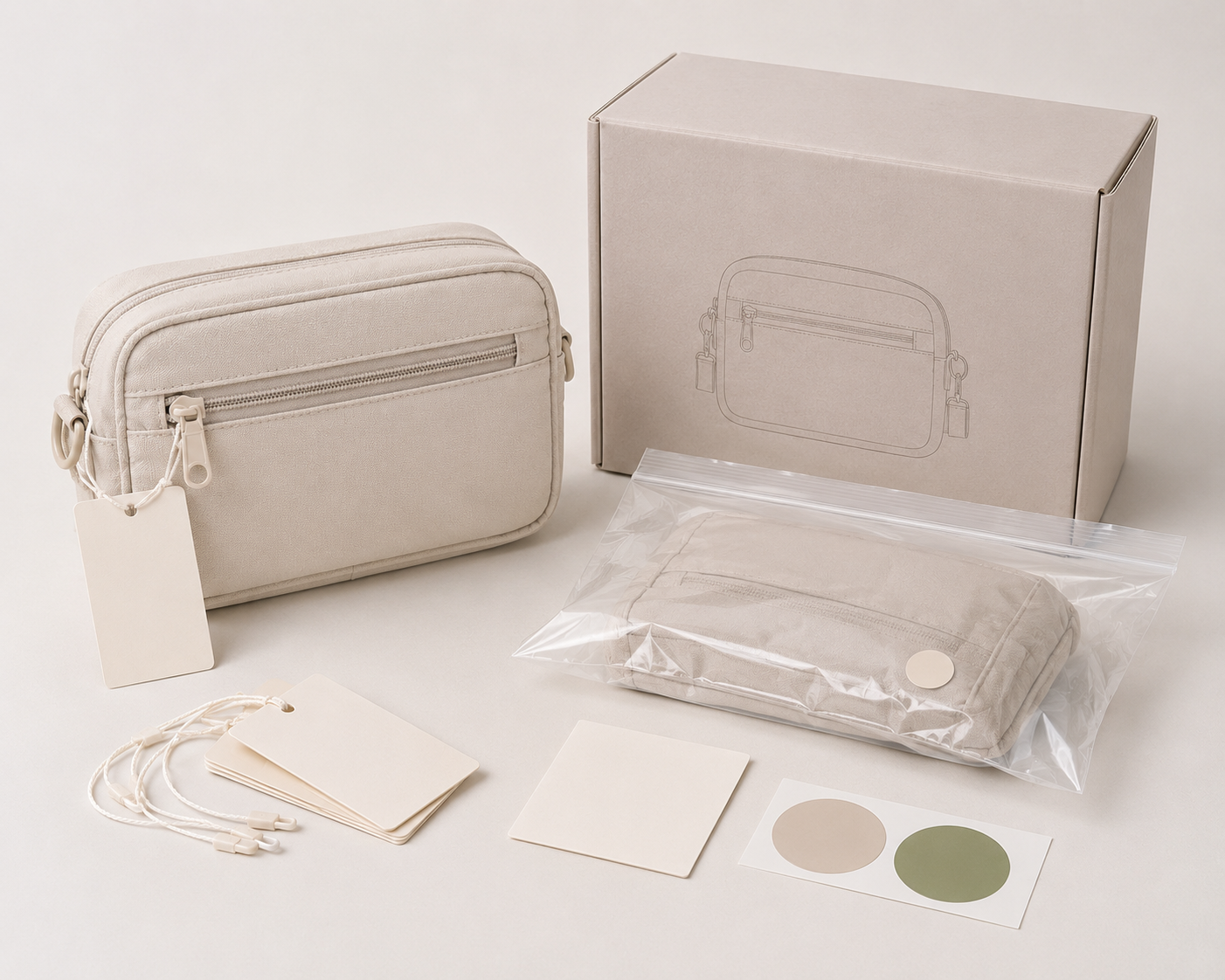
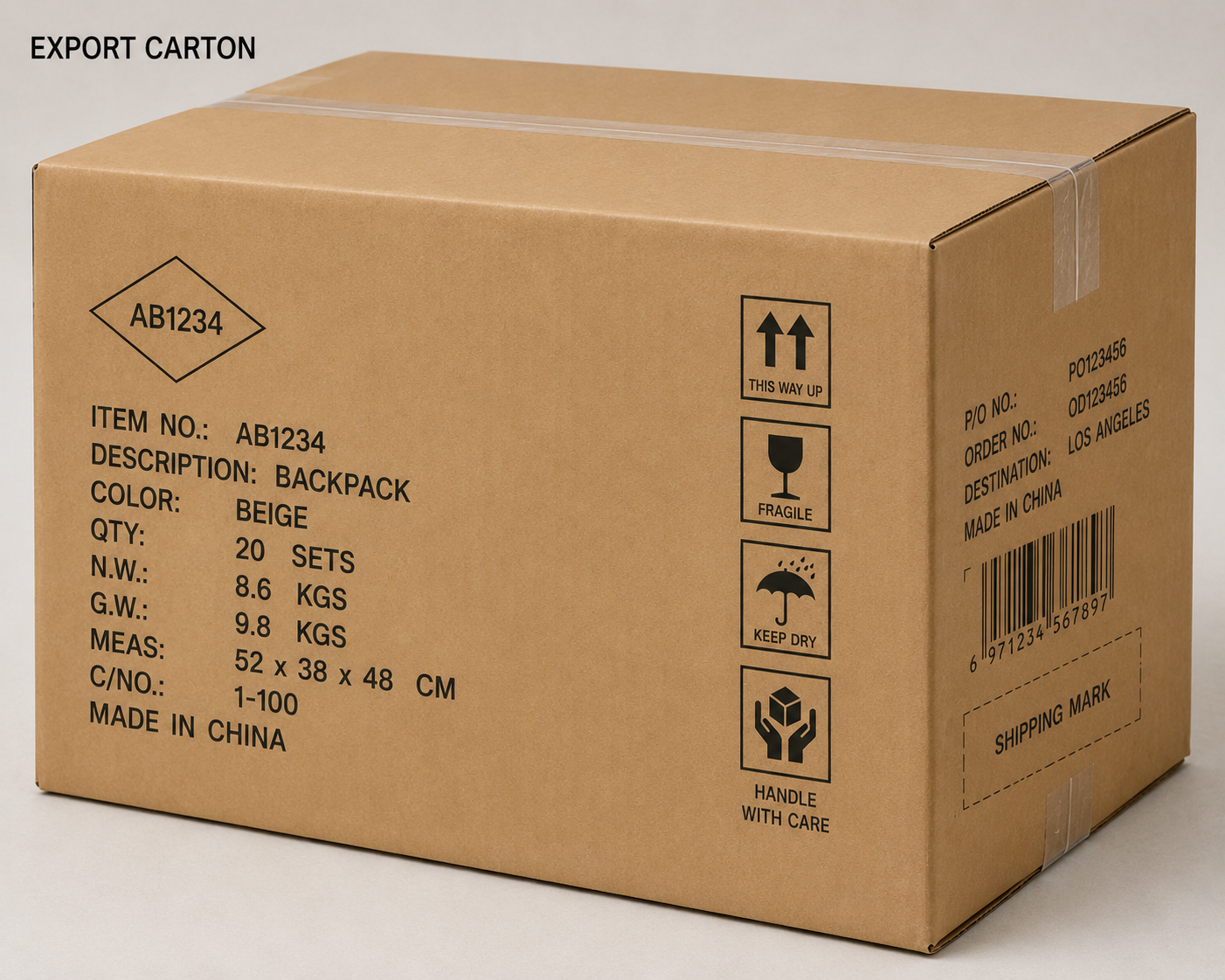
Confirm polybags, hangtags, barcodes, color stickers, carton marks, mixed-color packing, export cartons and forwarder details before dispatch.
A Practical Timeline from Requirement to Shipment
The schedule begins after the required information is confirmed. Complex structures, custom-developed materials, special hardware, additional revisions or advanced packing may require more time.
01
Requirement Review
Reference image, dimensions, intended use, estimated quantity, target market, logo, packing and required delivery window are reviewed before development.
02
Sample Development
A standard custom sample is normally developed within approximately 7 working days after materials, dimensions, construction and logo details are confirmed.
03
Sample Approval
Dimensions, material, color, function, logo effect, workmanship and packing are reviewed. Necessary revisions are recorded before approval.
04
Bulk Production
Standard bulk production normally takes approximately 4–5 weeks after sample approval, order confirmation and material readiness.
05
Inspection & Packing
Finished goods are checked against the approved sample and confirmed specifications before SKU sorting, labeling, packing and carton release.
06
Shipment Coordination
Shipping time is separate from production lead time and depends on destination, transportation method and the buyer’s logistics arrangement.
The Approved Sample Becomes the Bulk Production Standard
A photo cannot fully confirm hand feel, dimensions, zipper function, carrying comfort, internal structure, workmanship or retail packing. A physical sample lets the buyer review those details before the cost and quantity of bulk production make changes difficult.
Sample confirmation should cover:
Overall size, shape, capacity and construction
Main fabric, lining, padding and color direction
Logo size, position, color and surface quality
Zippers, buckles, straps, webbing and hardware
Stitching, binding, pocket layout and finishing
Hangtags, labels, barcode, polybag and carton arrangement
Revision control: requested changes are recorded and confirmed before the sample is approved. Bulk production should not begin while important details remain open.
Lock the Target Cost Before Bulk Production
Cost control works best when the main cost drivers are reviewed during development—not after the sample is already finalized.
01
Material Specification
Fabric type, weight, coating, lining, padding and stock availability can change both price and performance.
02
Structure & Workmanship
Extra pockets, panels, piping, binding, reinforcement and complex sewing add material use and production time.
03
Logo Method
Print area, embroidery stitch count, patch molding, metal parts and artwork complexity affect tooling and unit cost.
04
Accessories
Standard components protect the budget; upgraded or branded zippers, pullers, buckles and hardware improve presentation.
05
Packing Configuration
Individual polybags, hangtags, barcodes, gift sets, inserts, mixed-color packing and special cartons affect packing labor and material.
06
Order Quantity & Color Split
The total quantity, number of colors and quantity per color influence material purchasing, setup efficiency and production cost.
Practical rule: protect the functions and visible details that matter to the buyer’s channel, then simplify hidden or low-value complexity where it does not improve the customer experience.
Quality Gates from Material Arrival to Packed Cartons
The approved sample and order specification guide production. Checks are placed at stages where problems can still be corrected efficiently, instead of relying only on a final inspection after the full quantity is completed.
Review fabric, lining, color, webbing, zippers, buckles and key components against the confirmed requirement before mass cutting.
02
Pre-Production Check
Confirm the approved sample, patterns, measurements, logo position, color breakdown, packing instructions and critical workmanship points.
03
Inline Production Check
Inspect cutting, sewing, reinforcement, seam quality, dimensions, logo application and assembly while the order is in production.
04
Final & Packing Inspection
Check appearance, dimensions, function, quantity, labels, barcodes, polybags, color assortments, carton marks and export carton arrangement before release.
Release the Order Only After Packing Details Are Confirmed
Finished products are not shipment-ready until packing, labeling and carton information match the buyer’s distribution plan. These details should be confirmed before packing begins and reviewed again before the order is released.
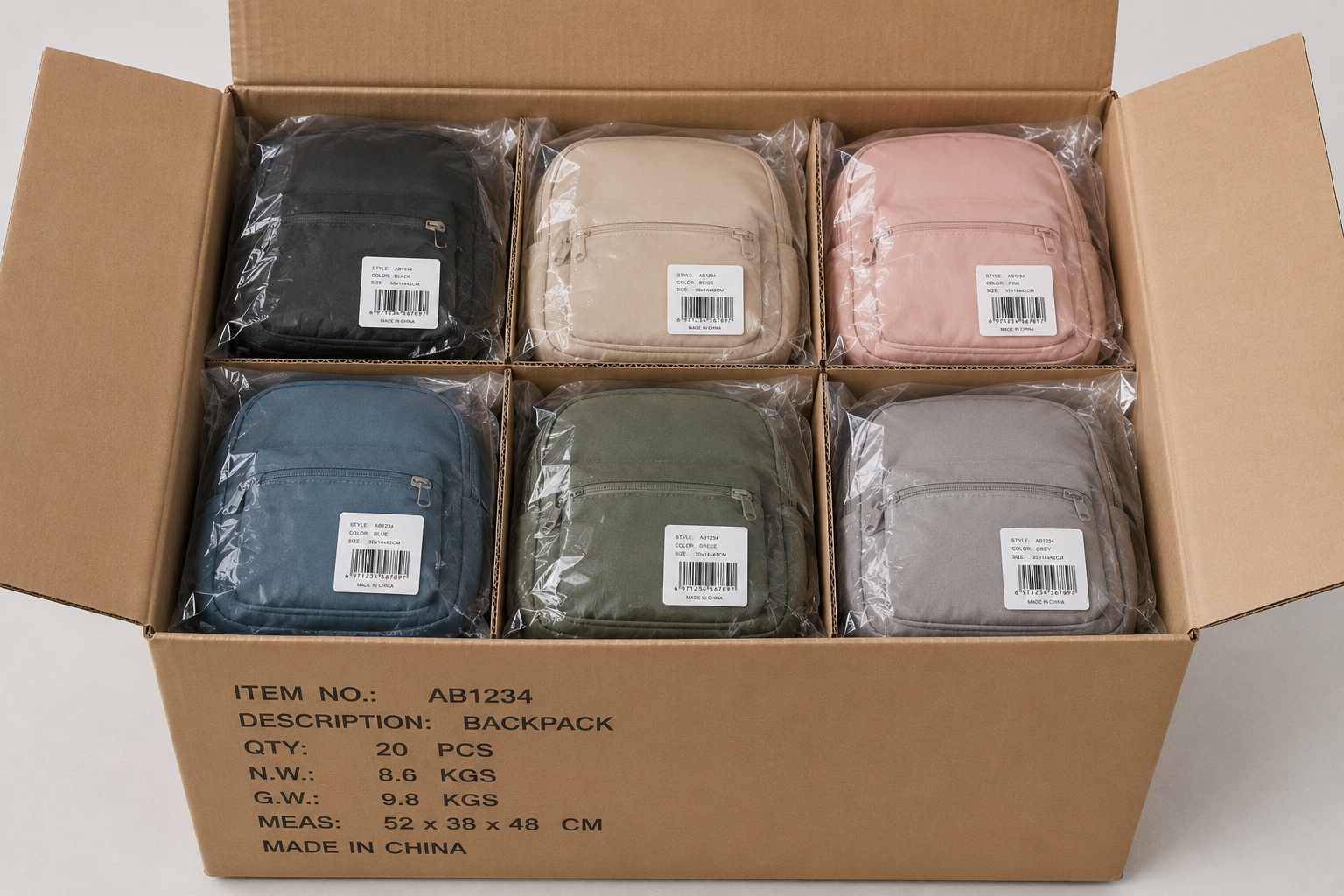
Individual or grouped polybag arrangement
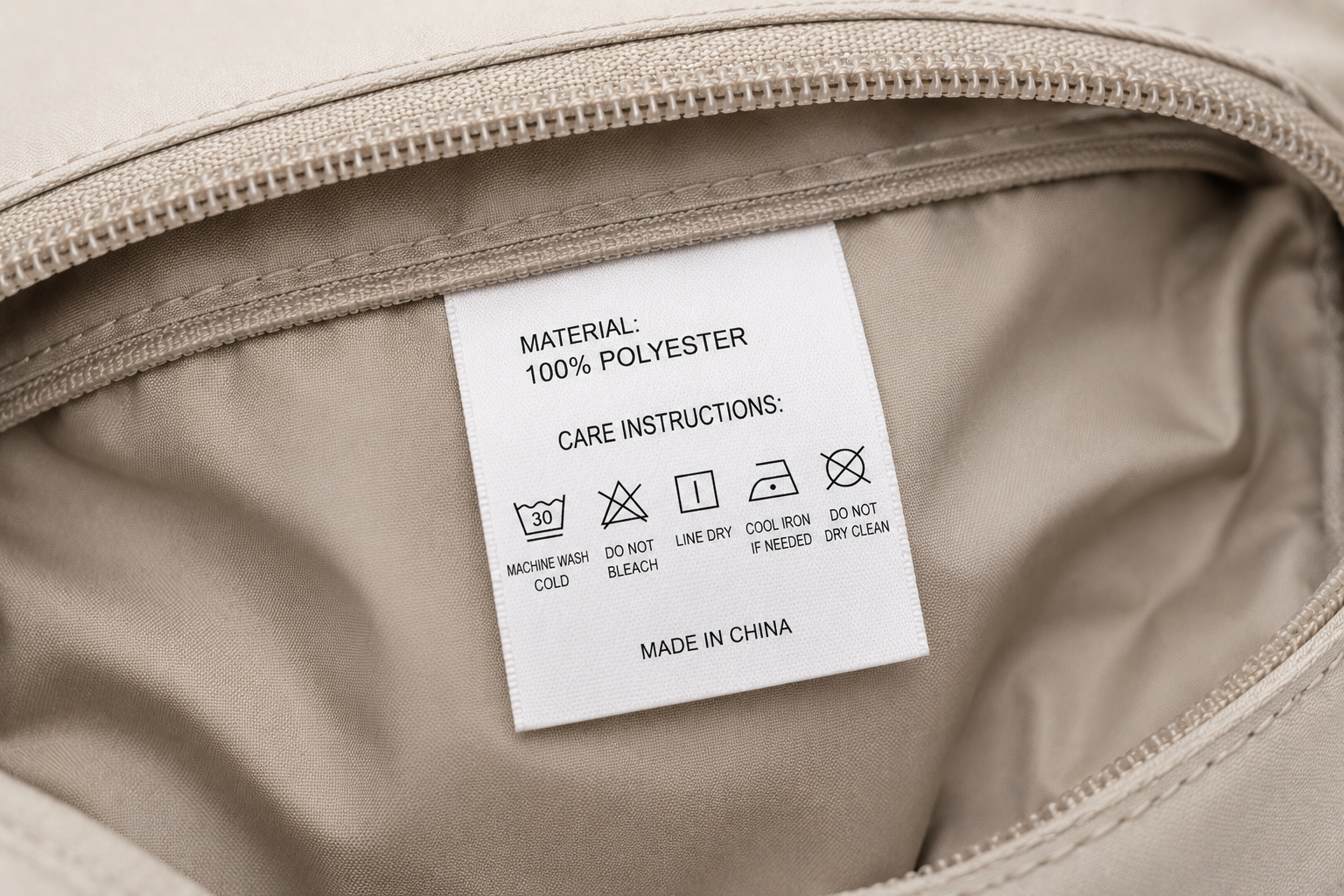
Hangtags, wash-care labels, barcode labels and color stickers
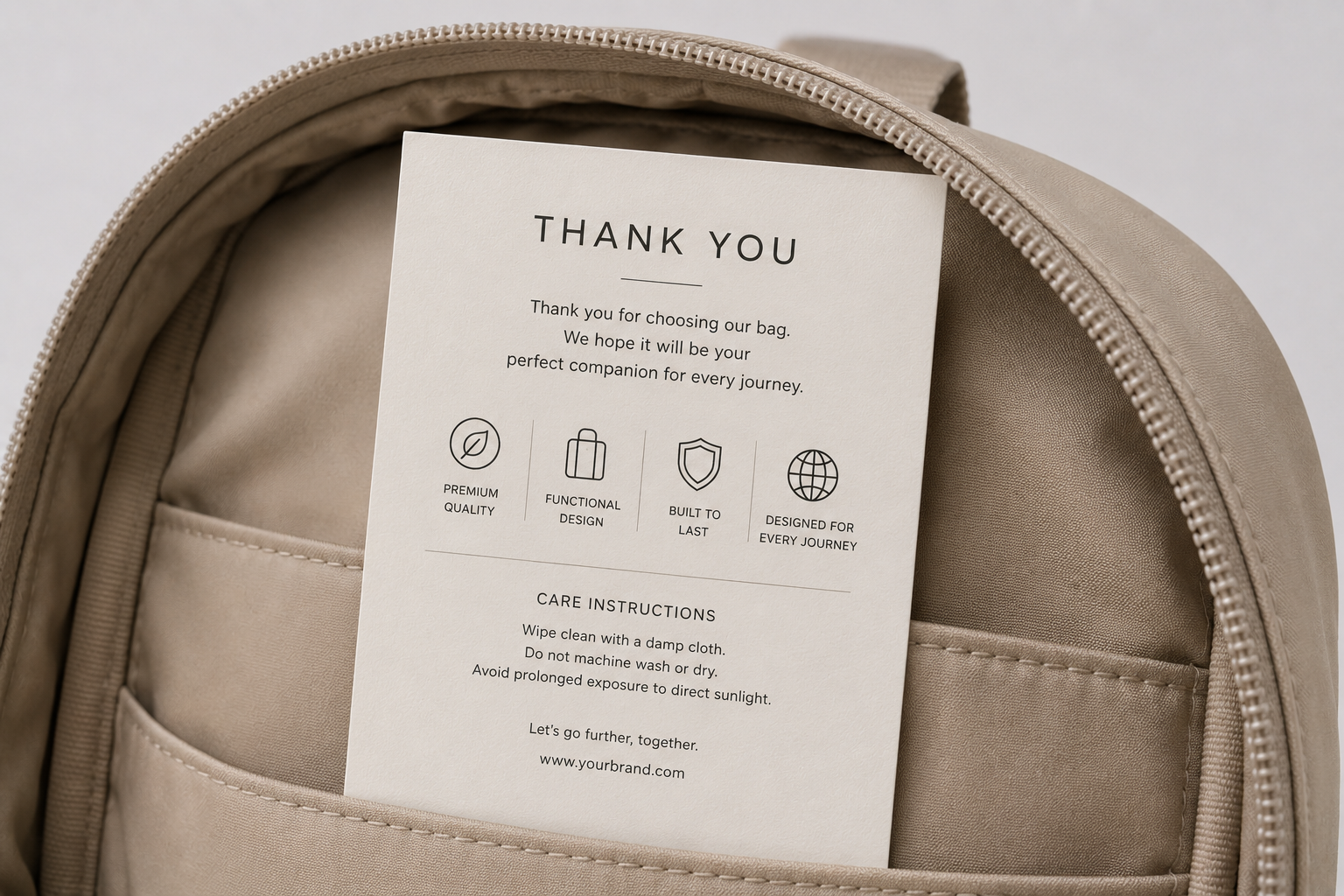
Mixed-color ratio, inner packs, retail sets and insert cards
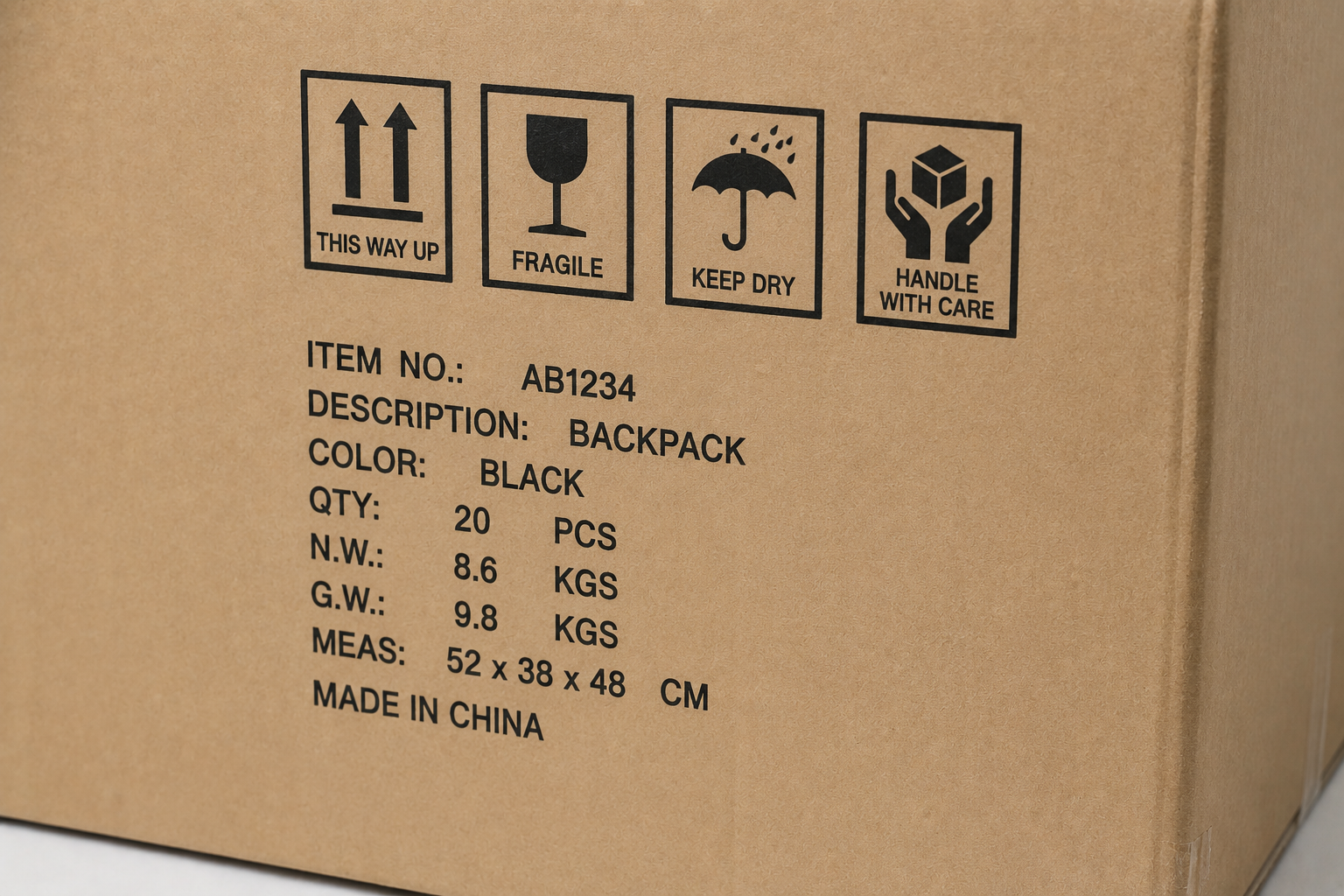
Carton size, carton marks, quantity per carton and gross/net weight
Basic shipment documents and forwarder coordination
A clear handover prevents the buyer and factory from working from different versions of the requirement.
Phase
Factory Output
Buyer Confirmation
Requirement Review
Project brief and open-question list
Bag category, quantity, market, target cost and timeline
Sample Development
Physical sample and revision record
Material, dimensions, logo, function, workmanship and packing
Pre-Production
Approved production standard
PO details, colors, quantities, quality points and packing instructions
Bulk Production
Production follow-up and inspection records
Changes or exceptions requiring buyer approval
Shipment Release
Final packing and carton confirmation
Carton marks, forwarder details and release instructions
Custom Bag Process FAQ
Common questions buyers ask before sample development and bulk production.
Can we start from a reference photo instead of a tech pack?
Yes. A reference photo, existing sample, sketch or product link can be used as a starting point. We will identify the missing specifications that must be confirmed before quotation and sampling.
When should the target price be discussed?
The target price should be shared at the beginning. It helps guide material, structure, logo, accessories and packing decisions before the sample becomes too expensive or complex for the intended order.
Can the sample be revised before bulk production?
Yes. Sample revisions can be made based on the confirmed change list. Important changes should be completed and approved before bulk production begins.
How does bulk production follow the approved sample?
The approved sample, order specification, color breakdown, logo details, measurements, workmanship points and packing instructions are reviewed before production and used as the checking reference.
Can Annabelle Bag support retail-ready packaging?
Yes. Support can include polybags, hangtags, barcodes, color stickers, wash-care labels, insert cards, retail sets, mixed-color packing, carton marks and export cartons.
Can you work with our freight forwarder?
Yes. Annabelle Bag can coordinate basic pickup, carton information, packing details and shipment preparation with the buyer or nominated forwarder after the shipping plan is confirmed.
Can the order quantity be discussed?
Yes. Order quantity can be discussed according to the bag structure, materials, logo method, color breakdown, packing requirements and overall project plan. The practical starting quantity is reviewed during the quotation stage.
Send Us Your Bag Reference and Project Requirements
Share your bag type, reference image, target quantity, market, logo, material, packing and delivery requirements. Annabelle Bag will review the information and organize the next practical step—quotation, material direction or sample development.
Reference photo, sample or design file
Estimated order quantity and target market
Logo and customization requirements
Target cost, packing and timeline
Custom Bag Project Form
Use the form to request a project review, quotation direction or sample plan.
Get a Practical Bag Proposal From Annabelle Bag
Our team will review the project and help you define a workable direction before sampling and bulk production.
Product direction based on your target market and use case
Material, logo and accessory suggestions for your bag design
Quotation guidance based on structure, quantity and packing needs
Sample planning with standard development in about 7 working days
Bulk production planning with a typical lead time of 4–5 weeks
Free sample support may be available for qualified B2B projects. International courier and custom development conditions may apply.
Tell Us About Your Bag Project
Share your product idea, reference image or purchasing requirements.Basic information is enough to begin. Add your bag category, reference image, estimated quantity or customization details if available.