One Order, Three Structures, One Documented Inspection Standard
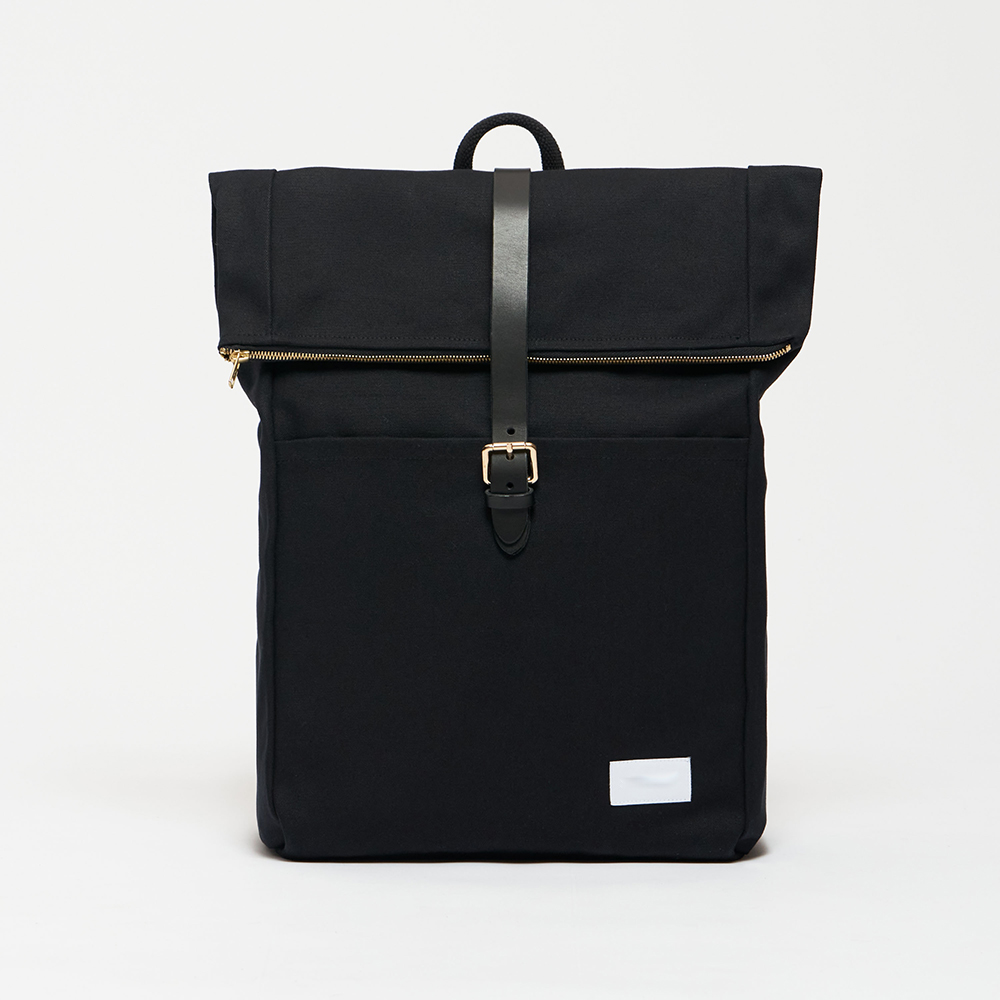
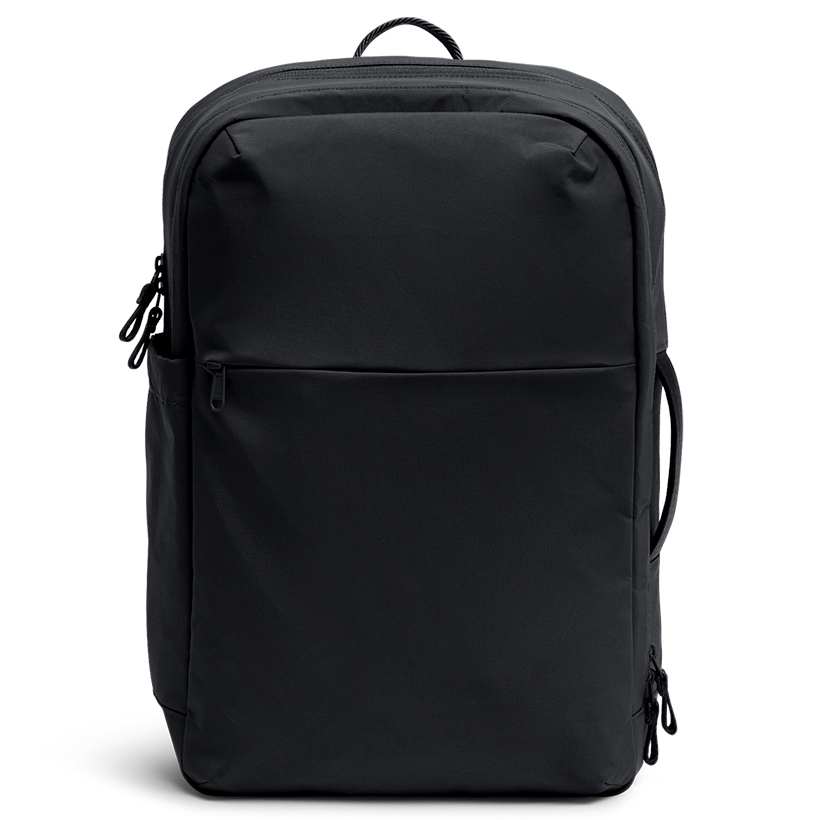
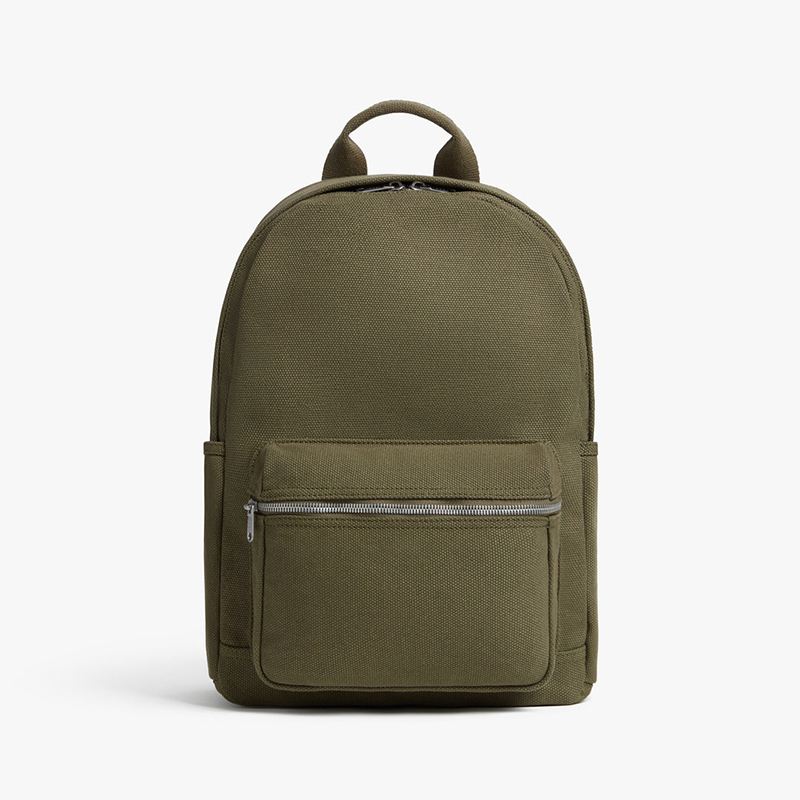
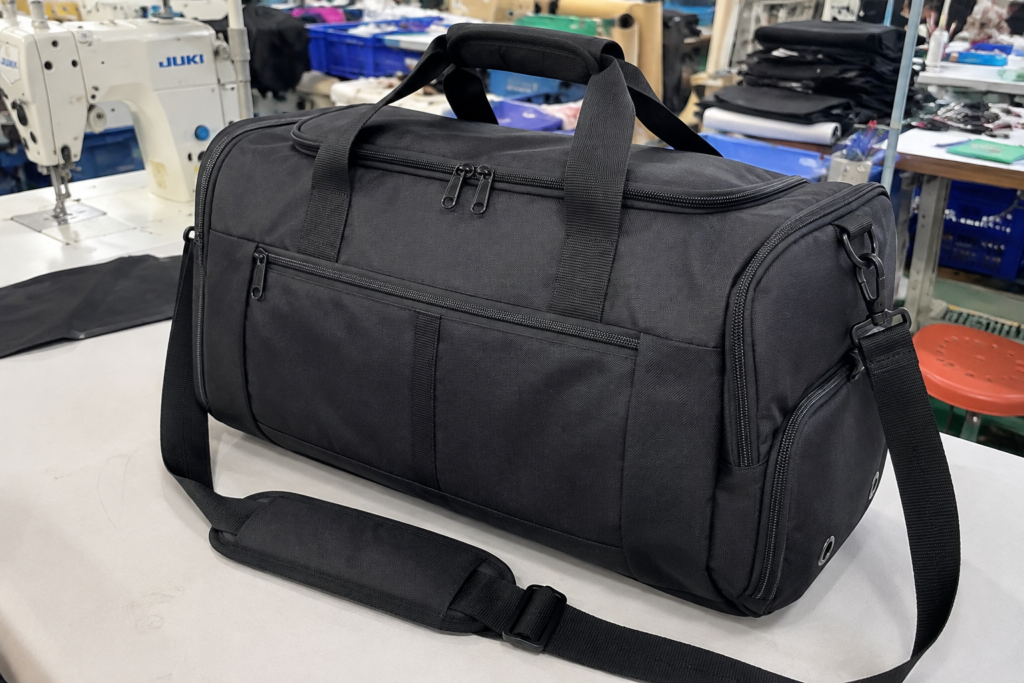
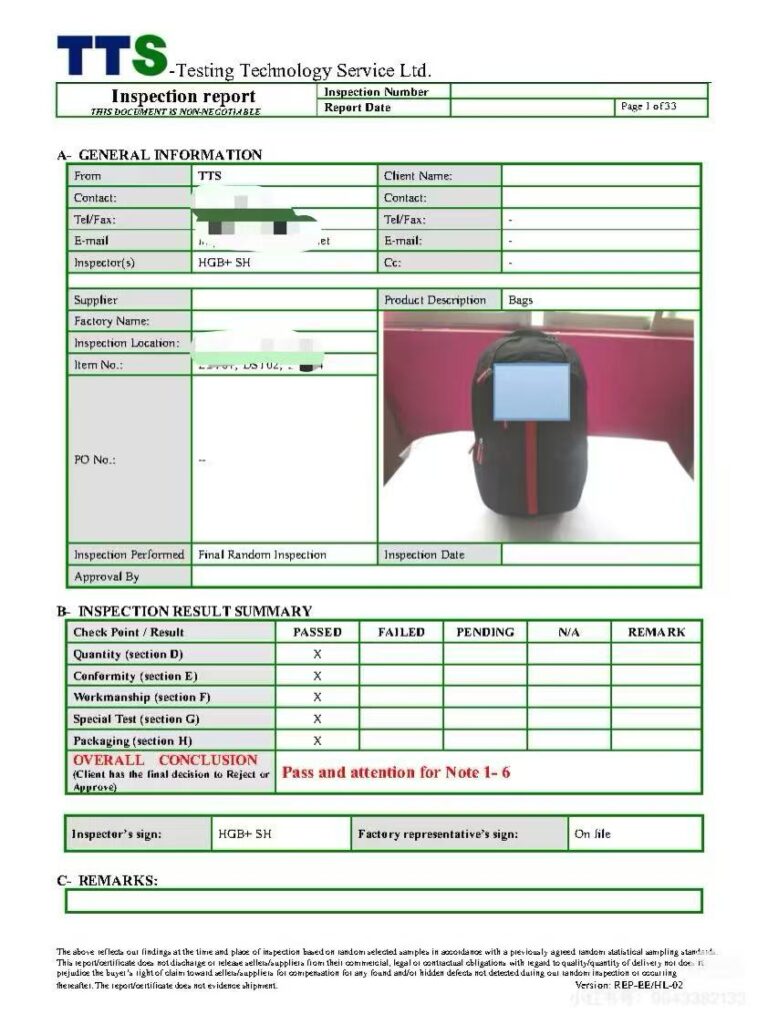
The inspected order contained three backpack styles with different dimensions, unit weights, internal structures and carton specifications. At the time of inspection, all 15,300 units were recorded as finished and packed: 5,300 units of Style A, 4,700 units of Style B and 5,300 units of Style C.
A final random inspection was used because visual approval of a few showroom samples cannot represent the consistency of an entire bulk order. The inspector selected cartons from the finished shipment and drew samples across all three styles. Quantity status, specification conformity, workmanship, special tests and packaging were reviewed as separate control points.
| Anonymized style | Finished quantity | Workmanship sample | Packed status |
|---|---|---|---|
| Style A | 5,300 units | 110 pieces | 100% packed |
| Style B | 4,700 units | 95 pieces | 100% packed |
| Style C | 5,300 units | 110 pieces | 100% packed |
| Total | 15,300 units | 315 pieces | No unfinished units recorded |
AQL Inspection: Measuring Bulk Consistency Instead of Making Vague Quality Claims
The workmanship assessment followed ANSI/ASQ Z1.4, General Inspection Level II, under a single normal sampling plan. The report applied an AQL of 2.5 for major defects and 4.0 for minor defects. Critical defects were not allowed.
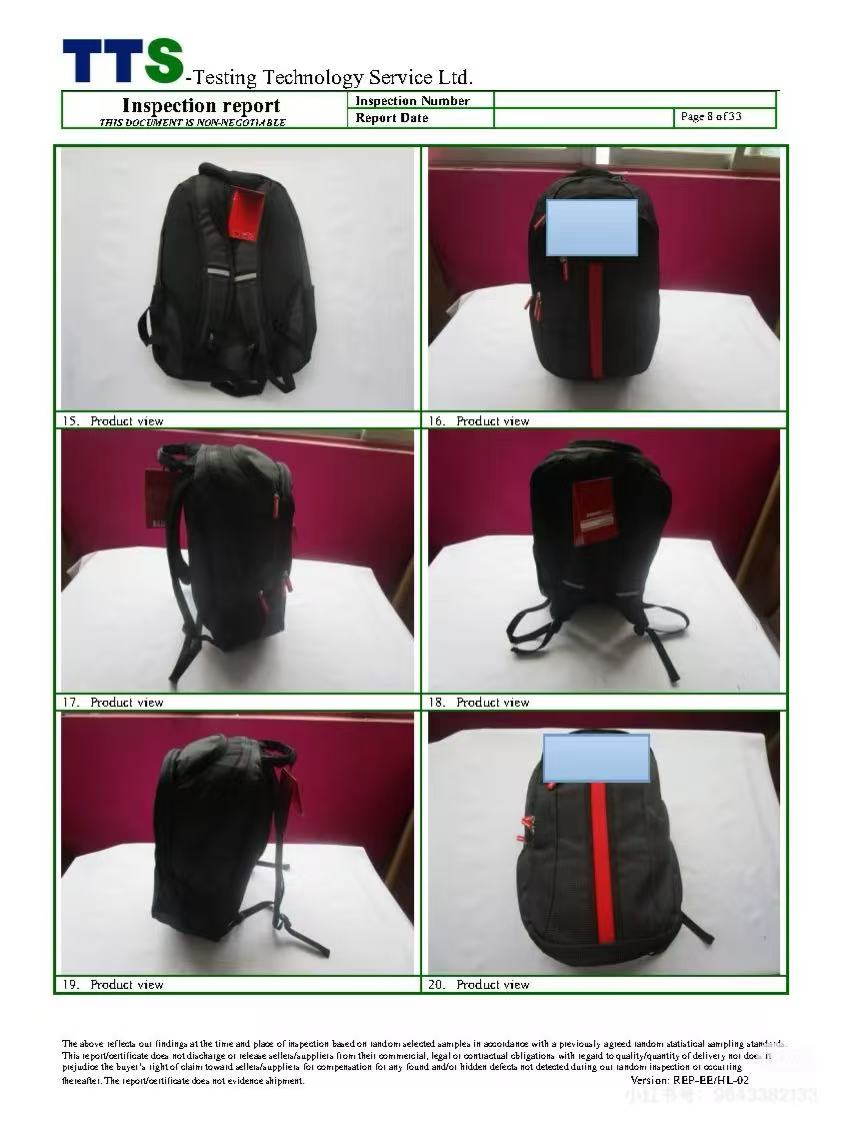
Under this sampling plan, the 315 inspected pieces produced acceptance limits of 0 critical, 14 major and 21 minor defects. The inspection recorded 0 critical, 10 major and 18 minor findings. Because the observed totals remained within the defined acceptance limits, the workmanship section passed.
| Defect class | Inspection rule | Acceptance limit | Recorded findings | Result |
|---|---|---|---|---|
| Critical | Not allowed | 0 | 0 | Passed |
| Major | AQL 2.5 | 14 | 10 | Within limit |
| Minor | AQL 4.0 | 21 | 18 | Within limit |
Why this matters for a bulk backpack buyer
“Strict quality control” is only meaningful when the inspection standard, sample size, defect categories, acceptance thresholds and actual findings are documented. In this case, the pass decision was supported by numerical AQL limits rather than a general visual impression.
The Inspection Looked Beyond the Finished Appearance
The workmanship check examined sewing, binding, straps, elastic components, front-panel alignment, logo position, zipper pulls and thread finishing. The report listed every observed nonconformity by style and severity so that the acceptance decision could be traced back to actual samples.
Construction points reviewed
- Stitch integrity around elastic components
- Binding alignment and pleated stitching
- Front-panel stitch symmetry
- Strap yarn and attachment areas
- Zipper-pull surface condition
- Thread trimming and exposed construction lines
- Logo positioning and presentation
How findings were treated
The report did not present the shipment as defect-free. It recorded the defects found, classified them as critical, major or minor, and compared the totals with the approved AQL limits. This provides a more realistic view of bulk-production quality than selecting only perfect product photographs.
Six Technical Checks Covered Use, Handling and Identification
Workmanship inspection was only one layer of the final check. The report also documented functional and reliability tests designed to evaluate components, printed areas, loading performance, carton handling and barcode readability.
| Test | Sample size | Method or condition | Recorded result |
|---|---|---|---|
| Barcode scan | 3 pieces per style | Codes scanned and checked for correct information | Passed |
| Carton drop | 1 carton per style | Approximately 61 cm drop height, 10 drops | No failure recorded |
| Dimension and unit weight | 3 pieces per style | Measured with rule and scale against available requirements | Actual values documented |
| Full-function check | 3 pieces per style | Zippers, hook-and-loop closures and components operated 20 times | No failure recorded |
| Loading test | 2 pieces per style | 7–12 kg load maintained for one hour | No failure recorded |
| 3M tape test on printing | 3 pieces per style | Adhesion check on printed areas | No peeling recorded |
Repeated component operation
Opening a zipper once is not a meaningful function check. The inspection required key components, including zippers and hook-and-loop closures, to be operated repeatedly. Twenty operating cycles were used on the selected samples, and the report recorded no functional failure.
Loading for one hour
Selected backpacks were loaded according to the product type, using loads between 7 kg and 12 kg for one hour. This check placed sustained stress on the bag body, straps, stitching and attachment points. No failure was recorded in the tested samples.
Testing both product and shipment readiness
The carton drop test extended the inspection beyond the bag itself. A product can pass workmanship review and still be exposed to risk if the export carton or internal packing cannot protect it during handling. The selected cartons completed ten drops from approximately 61 cm without a reported product or carton failure.
Actual Measurements Were Recorded, Including Small Deviations
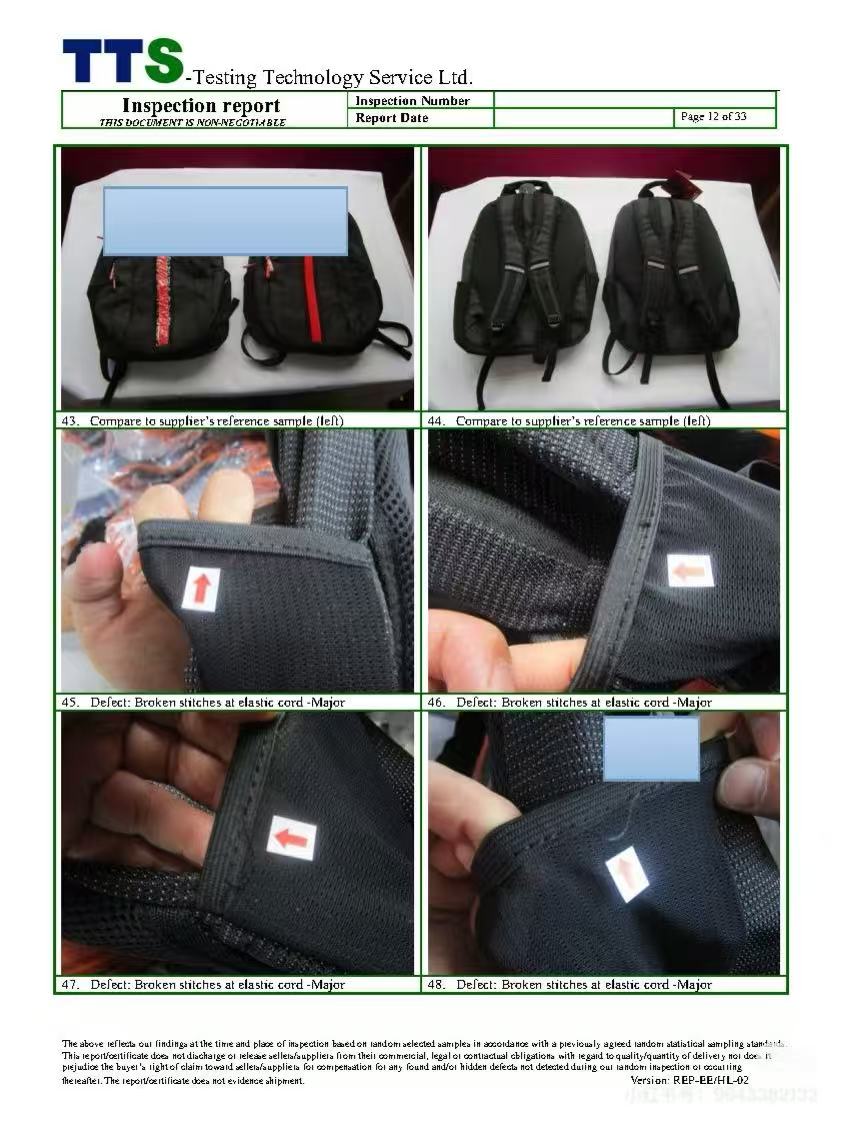
Three units from each style were measured. The report recorded the actual size and unit weight of each sample instead of simply marking the section as passed. Small dimensional differences were identified and listed for client confirmation.
| Style | Required size | Sample 1 | Sample 2 | Sample 3 | Recorded unit weights |
|---|---|---|---|---|---|
| Style A | 48 × 33 × 18 cm | 47 × 32 × 18 cm | 47.5 × 32 × 18 cm | 47 × 32.5 × 18 cm | 0.59 / 0.60 / 0.59 kg |
| Style B | 40 × 25 × 15 cm | 40.5 × 25 × 15 cm | 40 × 24.55 × 15.2 cm | 40 × 25 × 15.3 cm | 0.43 / 0.43 / 0.44 kg |
| Style C | 23 × 19 × 6 cm | 22.5 × 19 × 6 cm | 23 × 19 × 6 cm | 22.7 × 19 × 6 cm | 0.62 / 0.63 / 0.62 kg |
Publishing these actual readings is more useful than claiming that every measurement was identical. Textile bags are flexible products, so the measurement method, tolerance and product positioning must be agreed in advance. Where actual findings differ from the stated requirement, the differences should be documented and submitted for approval rather than concealed.
Carton Size, Gross Weight, Assortment and Barcodes Were Verified
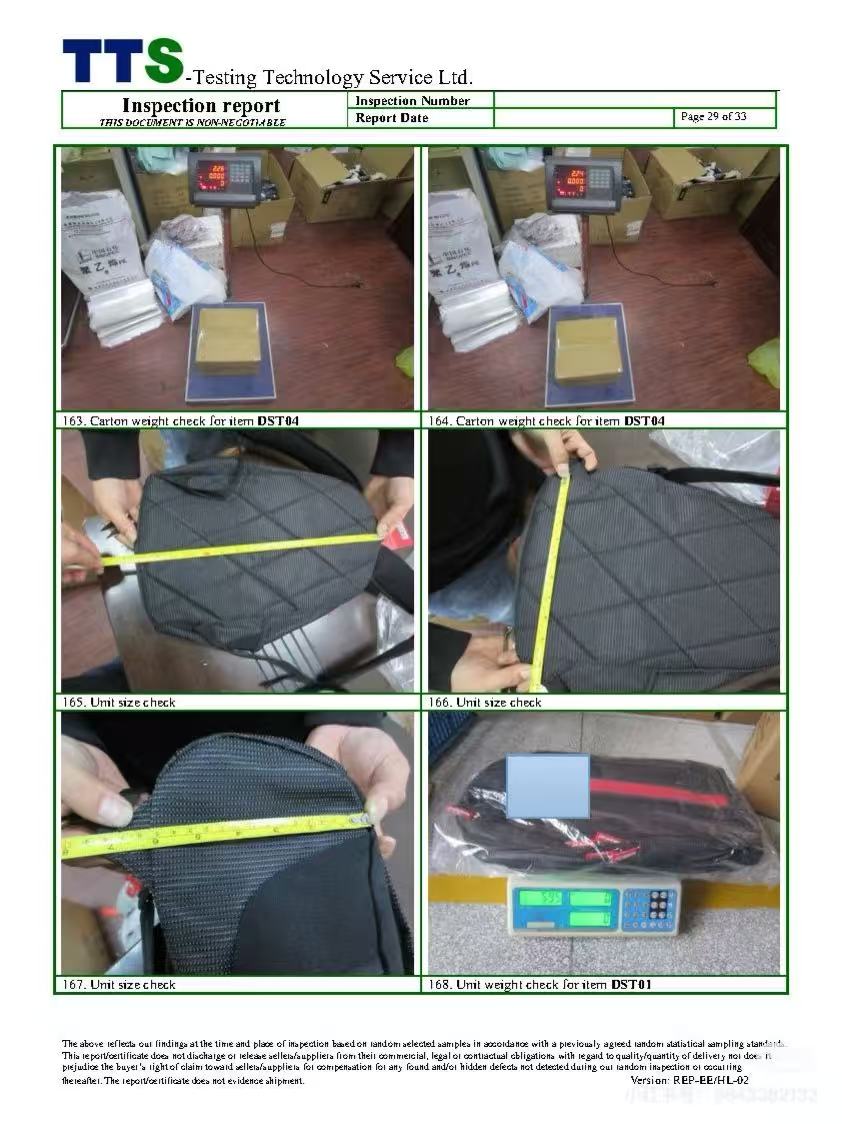
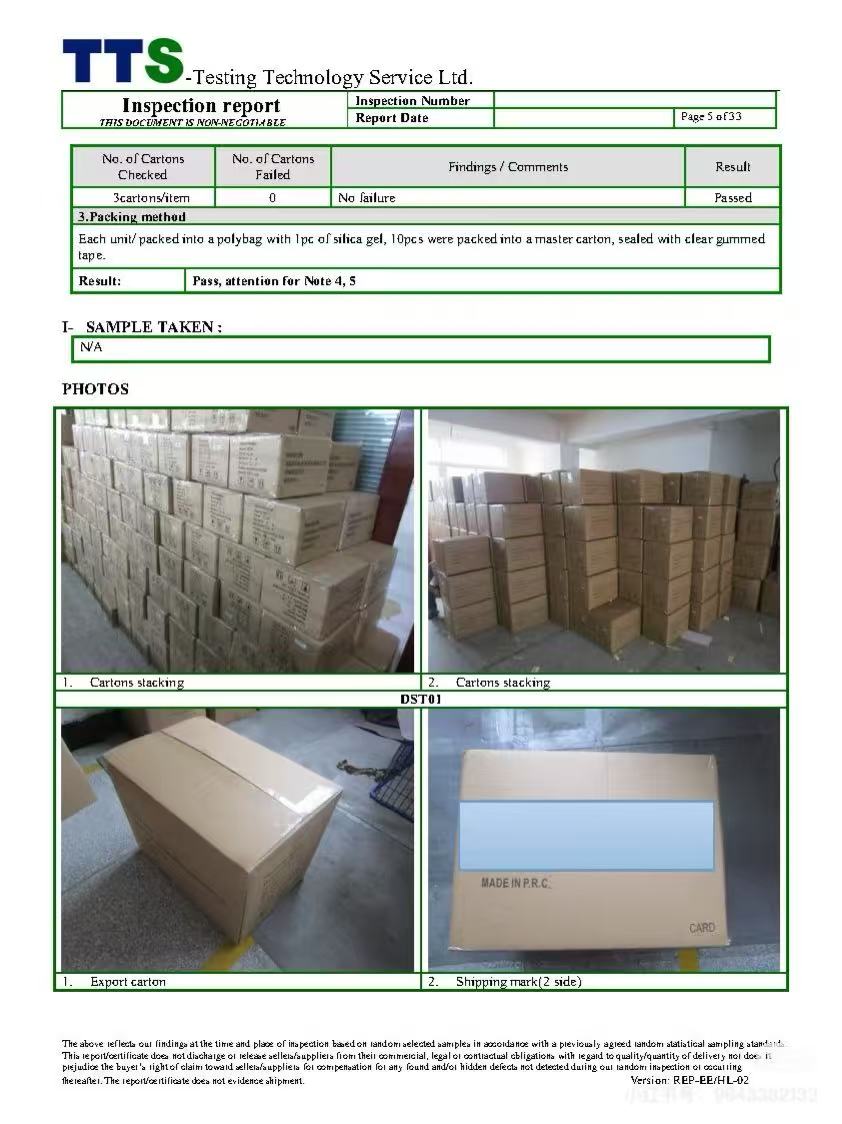
Shipment preparation was checked at both unit and carton level. The inspection recorded polybag packing, warning information, product labels, barcode placement, carton assortment, carton dimensions, gross weight, shipping marks and carton condition.
| Style | Units per carton | Carton specification | Actual carton size | Specified gross weight | Actual gross weight |
|---|---|---|---|---|---|
| Style A | 10 | 48 × 32 × 35 cm | 48 × 32.5 × 35.5 cm | 6.60 kg, ±10% | 6.64–6.65 kg |
| Style B | 10 | 44 × 28 × 23 cm | 44 × 28 × 23 cm | 4.00 kg, ±10% | 4.07–4.22 kg |
| Style C | 10 | 26 × 24 × 18 cm | 27 × 24 × 18 cm | 2.30 kg, ±10% | 2.24–2.28 kg |
This level of packing verification reduces avoidable shipment problems. Incorrect carton assortment affects warehouse receiving; inaccurate dimensions and weights affect freight planning; unreadable or mismatched barcodes affect retail and inventory operations. For that reason, packing data should be treated as part of product quality, not an administrative detail added at the end.
Passed—with Attention Notes Clearly Documented
The final report recorded the order as passed with attention notes. Quantity, product conformity, workmanship, special tests and packaging passed under the applied inspection plan. The report nevertheless retained several points for review instead of presenting the production as flawless.
- Supplier reference samples were used because client-signed samples were not available at the inspection site.
- The workmanship findings were within the defined AQL acceptance limits.
- Small dimensional differences were measured and listed for confirmation.
- Available packing information and carton-weight findings were documented.
- The report noted that the inspected goods were stored across multiple factory locations.
These notes are important. A professional inspection report should help a buyer make a shipment decision using traceable evidence. It should not remove inconvenient observations simply to create a perfect-looking result. Where a deviation requires approval, the correct approach is to record the value, identify the reference used and obtain confirmation from the responsible party.
The technical value of this case
This project combined order-level traceability, random carton selection, AQL defect classification, repeated component operation, sustained loading, printing adhesion, carton drop testing, dimensional measurement, weight verification and barcode checks. Together, these controls provide a much stronger basis for shipment approval than appearance checks alone.
Quality Requirements Can Be Built into the Order Before Bulk Production
Final inspection works best when the acceptance criteria are defined before production begins. For a custom backpack project, Annabelle Bag can review the approved sample, construction details, measurement method, labeling, barcode data, packing configuration and requested test items before the bulk-production plan is confirmed.
Before production
- Review drawings, reference samples or original concepts
- Confirm materials, components and construction
- Define critical measurement points and tolerances
- Confirm branding, labels, barcodes and packing data
- Agree on inspection level, AQL and special tests where required
Before shipment
- Check finished quantity and packing status
- Support random sampling across styles and cartons
- Record workmanship findings by defect class
- Verify function, dimensions, weight and packing
- Document deviations for review and shipment decision
Inspection standards are not identical for every order. Testing method, load, sample size, tolerance and acceptance criteria should follow the approved product specification and the buyer’s requirements. This allows quality control to match the actual application of the bag instead of relying on a generic checklist.