
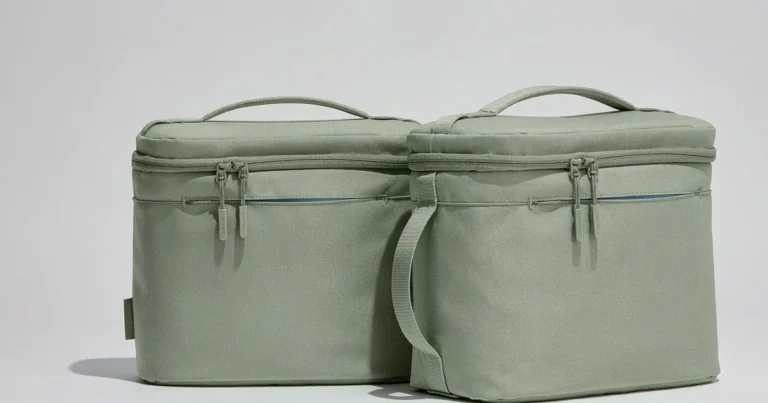
The custom cooler bag specifications to confirm before requesting a quote are the outer shell, insulation, and liner materials; usable versus nominal capacity; insulation test conditions; water-resistant versus leak-proof; the compartments and structure; and the logo method, quantity, and packaging. These six items are what move the price the most, so they are the ones to pin down first.
For buyers and brands, these are the six places where two cooler bag quotes quietly diverge. Two suppliers can receive the same reference image and return very different numbers — not because one is overcharging, but because each made a different assumption about the specifications. This guide explains what to confirm and how to write it into your inquiry, so the quotes you get back are accurate and the quotes you compare are actually comparable.
The 6 specifications that change your quote
Most cooler bag quote requests miss at least one of these. Each one changes the materials, the labor, or the tooling — and therefore the price.
1. Outer shell, insulation, and liner — specified separately
A cooler bag is three layers, and each is a decision:
- Outer shell — the fabric or material you see and touch. It drives the look, durability, and water resistance.
- Insulation — the middle layer that does the actual temperature work. Thicker or higher-performance insulation changes both cost and bulk.
- Liner — the inner surface. It determines cleanability, odor resistance, and whether the bag is actually leak-proof.
Write all three down. “A cooler bag like this photo” tells a factory almost nothing about the layer materials, and material is one of the largest cost drivers.
2. Usable capacity vs. nominal capacity
A “20-can” cooler bag may hold 20 cans only if they are packed loose with no ice. The usable capacity — what fits when the bag is actually loaded — is smaller than the nominal number. Confirm which number you mean, and in what unit (liters, can count, or internal dimensions). Internal dimensions are the most precise, and the least likely to be misunderstood.
3. Insulation time — only meaningful with test conditions
A claim like “keeps cold for 8 hours” means nothing without the test attached to it: the starting temperature of the contents, the ambient temperature, how long, and whether the bag was pre-chilled. Two bags can both claim “8 hours” and perform very differently. When you ask about insulation, ask for the conditions, not just the number.
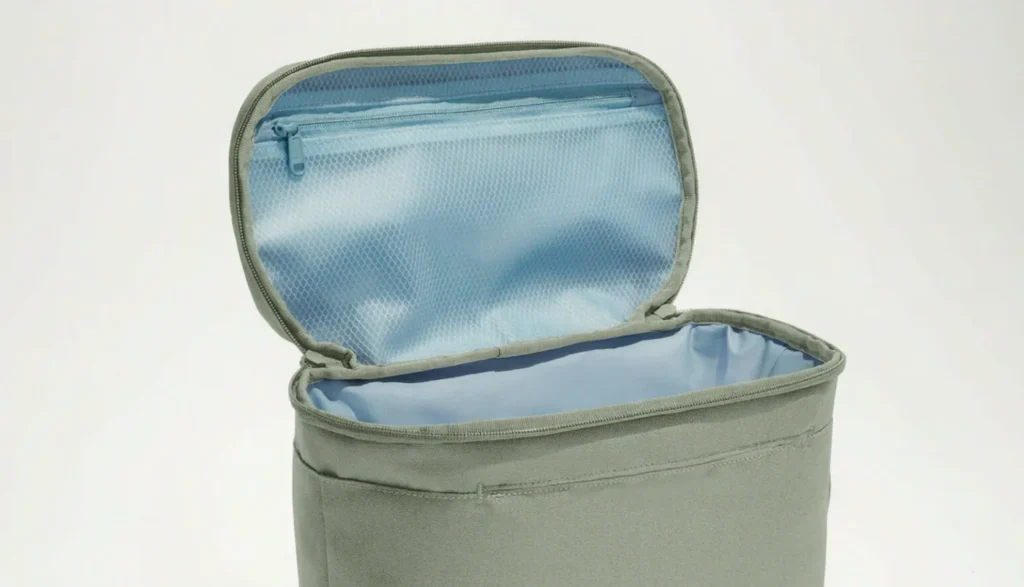
4. Water-resistant vs. leak-proof — two separate requirements
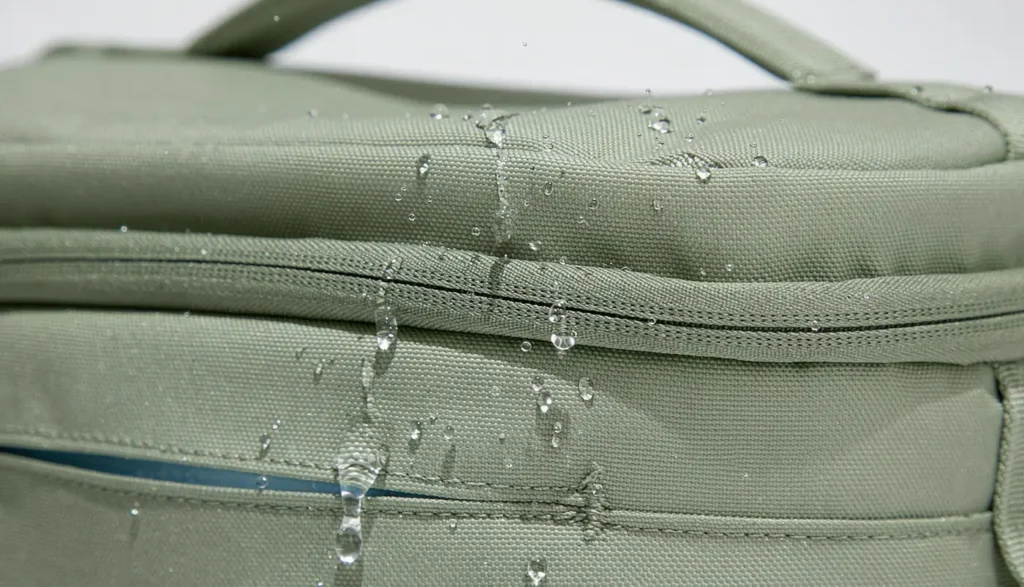
A water-resistant outer shell sheds light rain. A leak-proof liner stops melted ice from soaking through to the outside. These are different layers and different costs. If you need the bag to hold ice without leaking, say so explicitly — do not assume “waterproof” covers it.
5. Compartments and structure
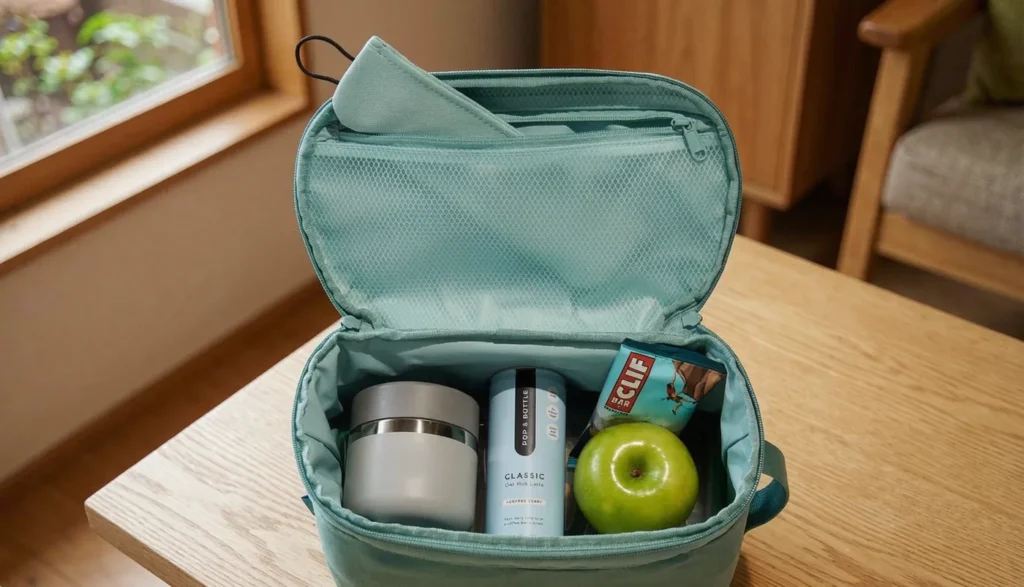
Extra pockets, dividers, an internal mesh sleeve, a reinforced base, a removable shoulder strap — each adds material and sewing steps. Structure also affects how the bag sits and folds. Decide which features are essential and which are nice-to-have before you quote, because every feature has a price.
6. Logo method, quantity, and packaging
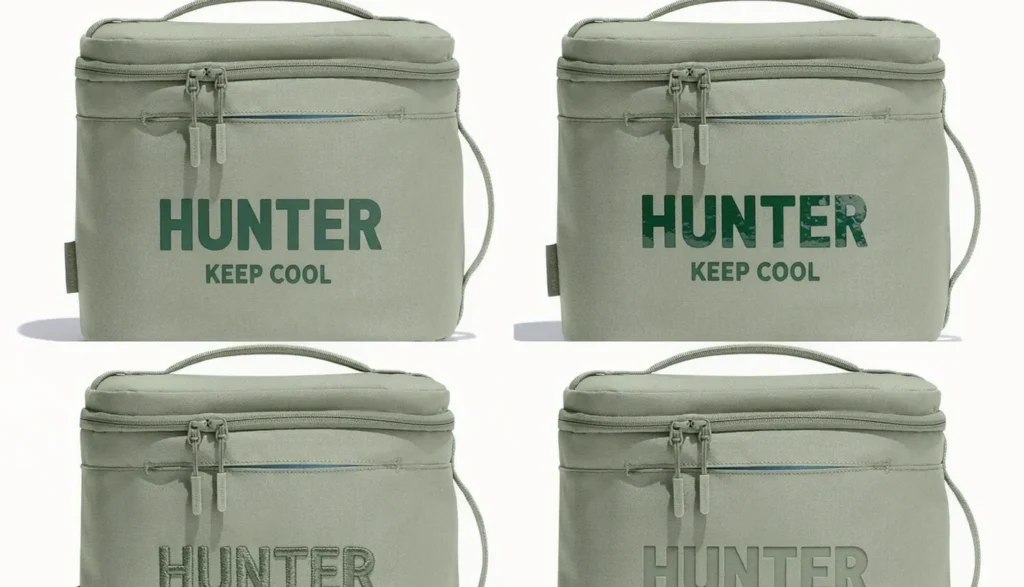
Logo is not one decision but several: the method (screen print, heat transfer, embroidery, debossed/embossed), the placement, and the number of colors. On some materials a logo that looks “debossed” is actually “embossed” — the terms get mixed up constantly, so confirm the effect you want, not just the word.
Quantity and packaging belong in the same breath as logo, because together they are where two otherwise identical quotes quietly diverge.
Preliminary quote vs. confirmed quote
You do not need every specification before your first inquiry. A factory can give you a workable preliminary quote from a reference image, approximate dimensions, a quantity range, and the key material direction.
In our experience, two items are missing more often than any others — and both will distort a preliminary price:
- Material — which outer shell and liner you want (or even what price range you are targeting).
- Logo process — how the logo will be applied, which changes the tooling and the unit cost.
The more of the six specifications above you can lock down, the closer your preliminary quote will be to the final confirmed quote. Where you leave a spec open, expect the factory to make an assumption — and expect that assumption to be the cheapest option, which may not be the one you want.
Three kinds of requirements: must-fix, can-substitute, ask the factory
Before you write the inquiry, sort every requirement into one of three categories. This single exercise changes your cost and lead time more than most other decisions you make.
Must-fix — the features that define your product and cannot change. These are usually your functional or selling-point requirements: the insulation performance, the leak-proof liner, the logo identity, the overall dimensions. Hold these firm, and say so.
Can-substitute — the features where you are happy to trade for cost. In our experience, the most common and safest substitutions are material and structure: keep the exterior look, simplify the internal structure, or switch to a more affordable fabric. Tell the factory these are open, and you invite them to find savings instead of guessing.
Ask the factory to recommend — where you genuinely do not know the best answer, let the factory propose. If you are unsure whether a given insulation or closure is right for your use case, say what the bag needs to do and ask for a recommendation.
Labeling each requirement up front means the factory quotes what you asked for, offers alternatives where you invited them, and never silently cuts a feature you actually needed to keep.
How to compare two quotes line by line
Don’t compare two cooler bag quotes by the unit price alone. A lower number tells you nothing until you know what it excludes.
Here is a common example. The same reference photo goes to two suppliers, and one returns a unit price 30% higher than the other. Before you assume overcharging, check the fine print: one quote includes individual polybag packaging, the other ships in bulk; one prices a stock color, the other assumes custom dyeing; one is for 300 pieces, the other for 3,000.
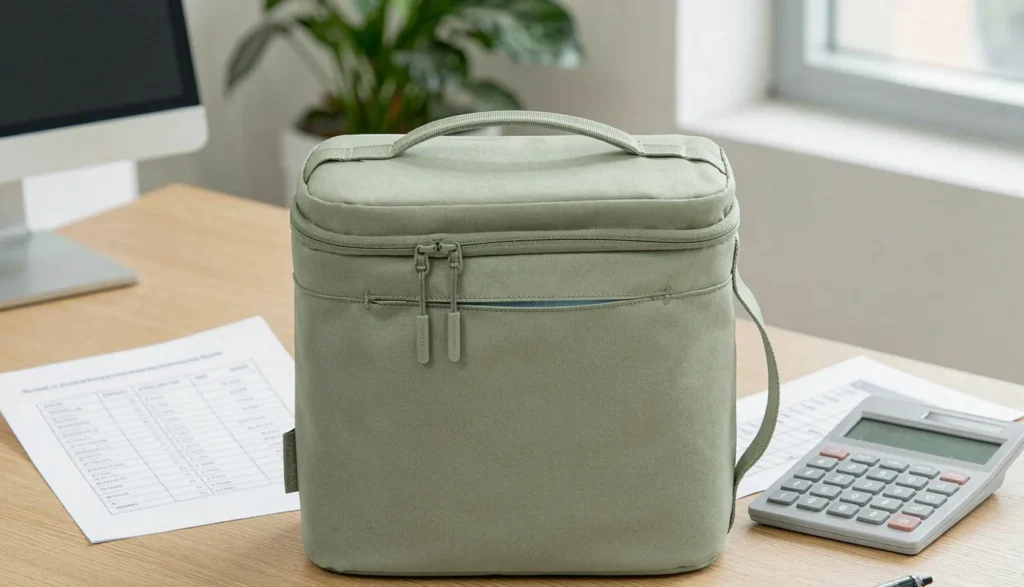
(Illustrative example — the figures are for explanation only, not real quotes.)
Each supplier was answering a different question. Compare the same items across both quotes:
- Dimensions and capacity — are they quoting the same size?
- Layer materials — same outer shell, insulation, and liner?
- Logo — same method, same number of colors, same placement?
- Packaging — individual polybag, hang tag, or bulk carton?
- Quantity — same order quantity? In our experience, quantity is the single biggest cost driver for most inquiries, so a quote at 500 pieces vs. 5,000 is not a like comparison.
- Shipping scope and exclusions — is freight, duty, or tooling in or out?
Where two quotes differ on any of these, the unit prices were never directly comparable. Adjust them to the same specifications, or ask the factory to re-quote, before you make the decision.
A fillable RFQ you can send
Copy the fields below into your inquiry. The more you fill in, the closer the quote will land.
| Field | Your answer |
|---|---|
| Product type (cooler bag / lunch bag / tote cooler) | |
| Reference image or link | |
| Dimensions (W × H × D) or capacity (liters) | |
| Outer shell material | |
| Insulation material / thickness | |
| Liner material | |
| Insulation requirement + test conditions | |
| Water-resistant, leak-proof, or both? | |
| Compartments / structure | |
| Logo method, placement, colors | |
| Color (stock or custom / Pantone) | |
| Target quantity (and MOQ flexibility) | |
| Packaging | |
| Target budget or price range (optional) | |
| Delivery window / ship-to destination |
Common questions
Why is your quoted price different from the price on your website? The price you see on a listing is usually a reference figure for a specific configuration and quantity. A custom bag — with your dimensions, materials, logo, and a different order size — is a different product, so the price moves. The gap is usually driven by quantity and specifications.
What is the difference between nylon and polyester? They are often confused, and many bags described as “nylon” are actually polyester. We break down the practical differences in our nylon vs. polyester guide. If a material matters to you, describe the look and feel you want and let the factory confirm the actual fiber, rather than relying on the name.
How do I confirm a color accurately? Photos shift color under different lighting. For a custom color, provide a Pantone reference or a physical sample rather than a screen image.
Ready to get a comparable quote?
Pin down the specifications above, send a complete RFQ, and you will get a quote you can actually evaluate. If you are still deciding on materials or structure, tell us what the bag needs to do — we will recommend options and flag where a substitution could save you money.